
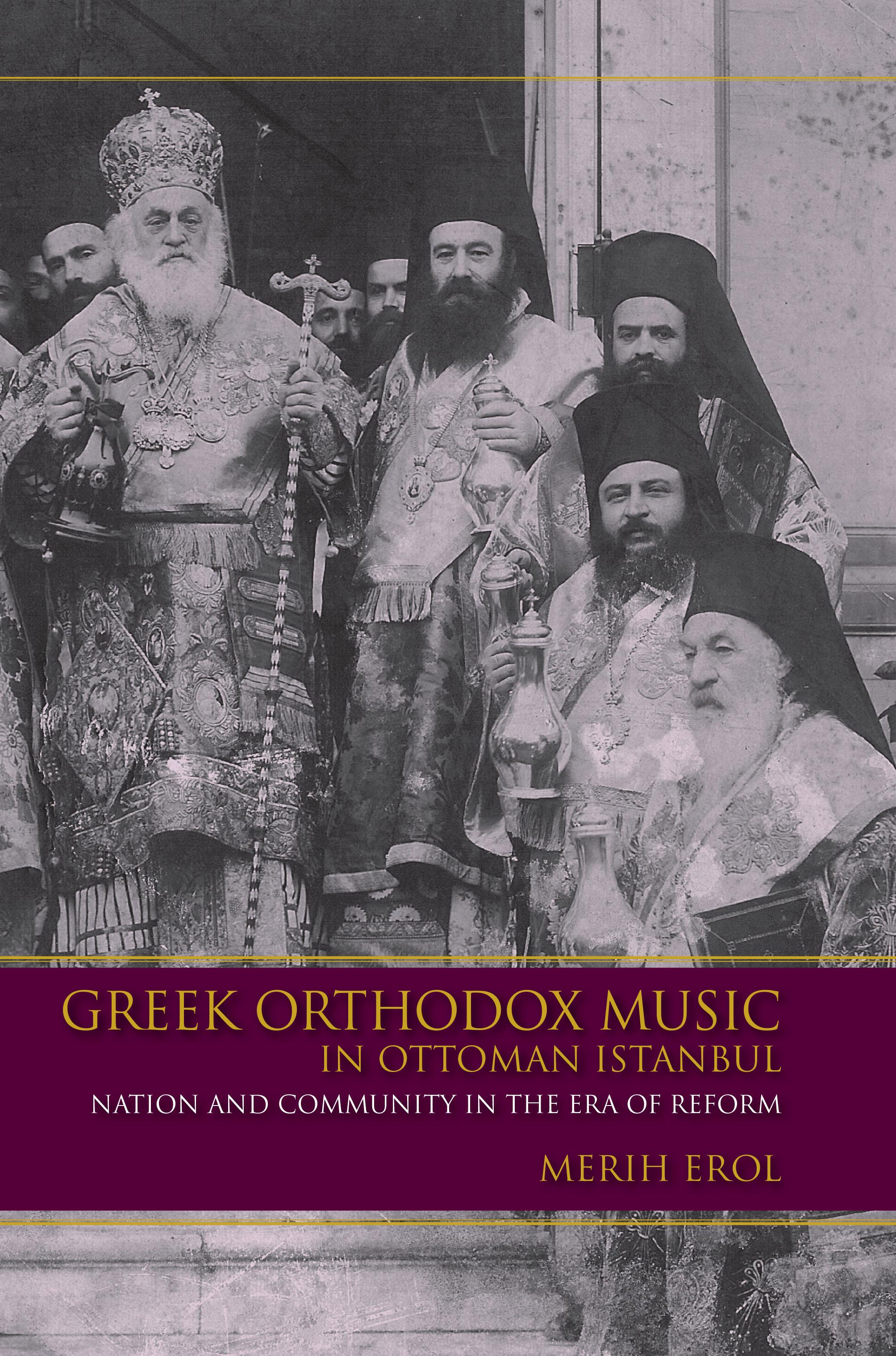
During the late Ottoman period (1856–1922), a time of contestation about imperial policy toward minority groups, music helped the Ottoman Greeks in Istanbul define themselves as a distinct cultural group. A part of the largest non-Muslim minority within a multi-ethnic and multi-religious empire, the Greek Orthodox educated elite engaged in heated discussions about their cultural identity, Byzantine heritage, and prospects for the future, at the heart of which were debates about the place of traditional liturgical music in a community that was confronting modernity and westernization. Merih Erol draws on archival evidence from ecclesiastical and lay sources dealing with understandings of Byzantine music and history, forms of religious chanting, the life stories of individual cantors, and other popular and scholarly sources of the period. Audio examples keyed to the text are available online.
Płać wygodnie kartą, Klarną, Apple Pay lub Google Pay. Nie jesteś zadowolony? Zawsze masz 14-dniową gwarancję zwrotu pieniędzy. Więcej przeczytasz w naszych warunkach. Masz pytania? Napisz do nas na hello@memmo.org.
Memmo ułatwia naukę – gdziekolwiek jesteś na świecie. U nas znajdziesz podręczniki i sprytne narzędzia do nauki w jednym miejscu: streszczenia, quizy, podcasty i fiszki. A do tego Ted, Twój kumpel do nauki, który odpowie na wszystko, co Cię nurtuje. Ponad 50 000 studentów już tu się uczy – stworzone, byś uczył się szybciej i mniej stresował.