
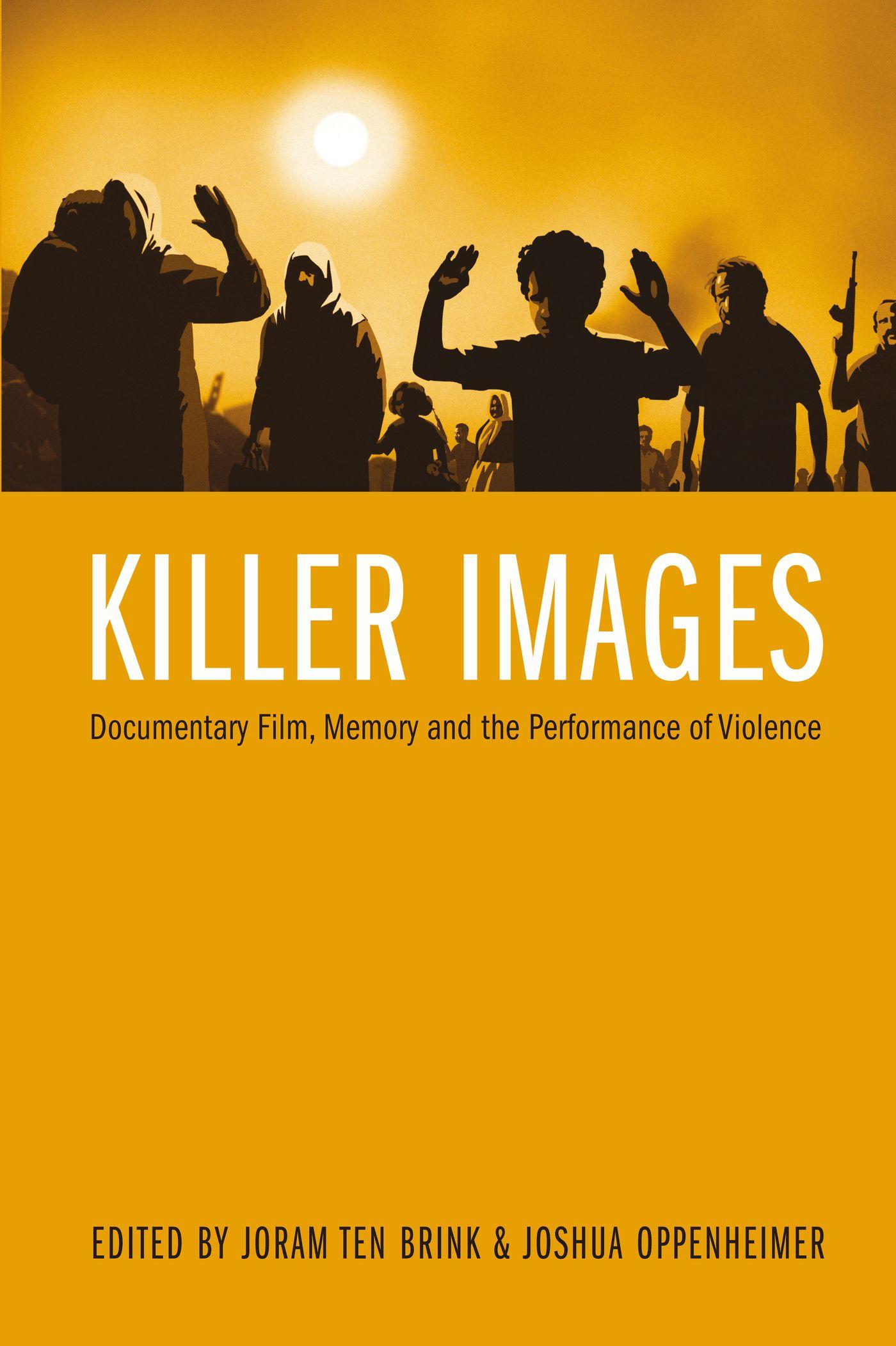
Cinema has long shaped not only how mass violence is perceived but also how it is performed. Today, when media coverage is central to the execution of terror campaigns and news anchormen serve as embedded journalists, a critical understanding of how the moving image is implicated in the imaginations and actions of perpetrators and survivors of violence is all the more urgent. If the cinematic image and mass violence are among the defining features of modernity, the former is significantly implicated in the latter, and the nature of this implication is the book's central focus.
This book brings together a range of newly commissioned essays and interviews from the world's leading academics and documentary filmmakers, including Ben Anderson, Errol Morris, Harun Farocki, Rithy Phan, Avi Mograbi, Brian Winston, and Michael Chanan. Contributors explore such topics as the tension between remembrance and performance, the function of moving images in the execution of political violence, and nonfiction filmmaking methods that facilitate communities of survivors to respond to, recover, and redeem a history that sought to physically and symbolically annihilate them
Płać wygodnie kartą, Klarną, Apple Pay lub Google Pay. Nie jesteś zadowolony? Zawsze masz 14-dniową gwarancję zwrotu pieniędzy. Więcej przeczytasz w naszych warunkach. Masz pytania? Napisz do nas na hello@memmo.org.
Memmo ułatwia naukę – gdziekolwiek jesteś na świecie. U nas znajdziesz podręczniki i sprytne narzędzia do nauki w jednym miejscu: streszczenia, quizy, podcasty i fiszki. A do tego Ted, Twój kumpel do nauki, który odpowie na wszystko, co Cię nurtuje. Ponad 50 000 studentów już tu się uczy – stworzone, byś uczył się szybciej i mniej stresował.