
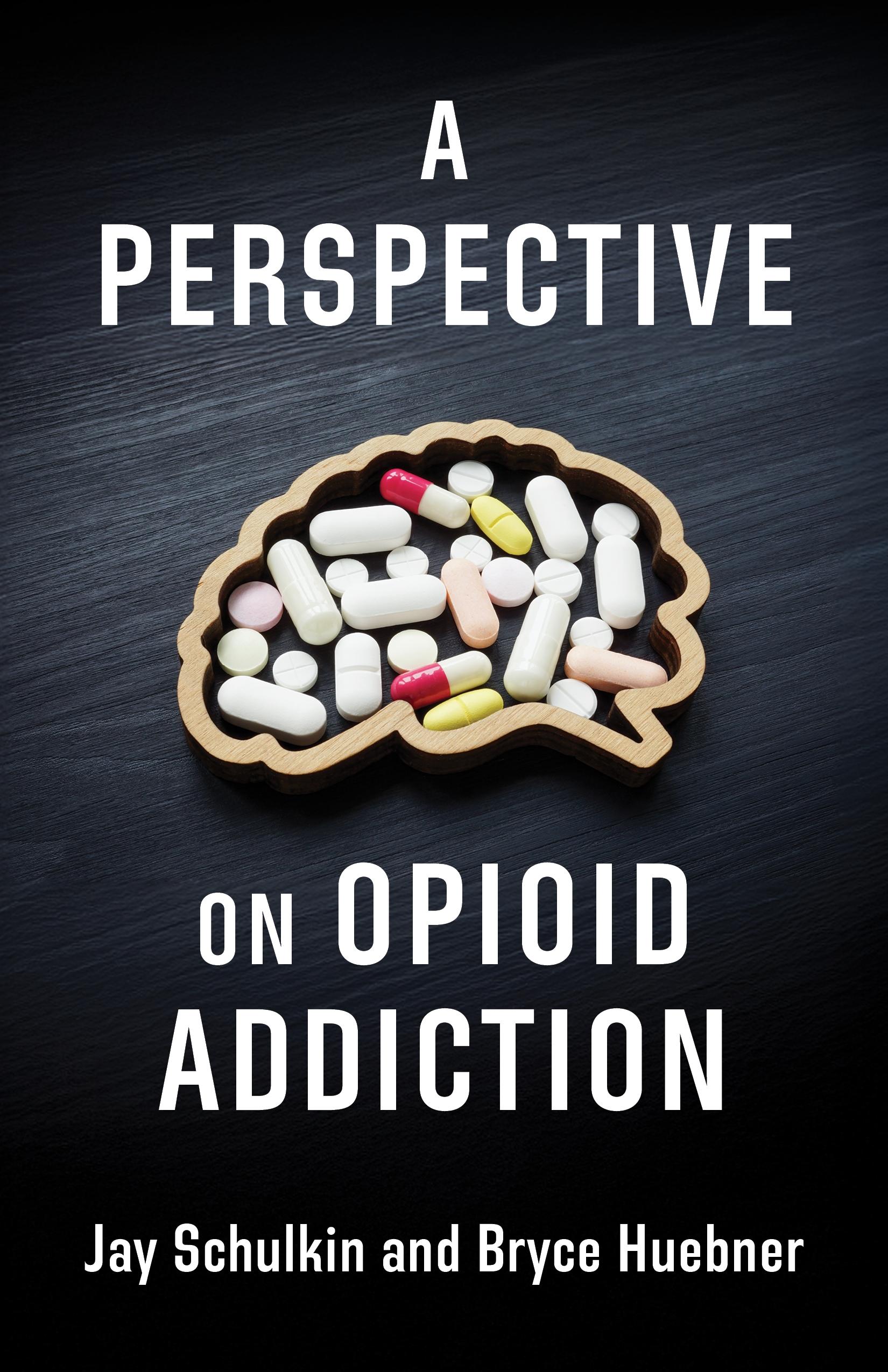
Today, the opioid crisis often feels intractable. This book offers a wider perspective on its underlying causes, examining the biological, psychological, and social aspects of addiction and the interactions among them.
Jay Schulkin, a behavioral neuroscientist, and Bryce Huebner, a philosopher, explore the complexities of opioid addiction through a distinctive combination of neuroscientific knowledge and pragmatist thought. They detail the biological and neurological processes that shape and sustain addiction, showing why opiates’ power to ease pain makes us vulnerable to abusing them. The book discusses the relationship between addiction and depression, the dilemmas of pain management, and the meaning of recovery. Schulkin and Huebner underscore the stigma that marginalizes people who struggle with addiction and the social factors that shape access to treatment and care, calling for a focus on harm reduction. They consider questions of individual and social accountability, reflecting on choice, autonomy, and freedom.
Interdisciplinary and wide-ranging, this book brings deep learning, empathy, and insight to understanding the experience of addiction.
Płać wygodnie kartą, Klarną, Apple Pay lub Google Pay. Nie jesteś zadowolony? Zawsze masz 14-dniową gwarancję zwrotu pieniędzy. Więcej przeczytasz w naszych warunkach. Masz pytania? Napisz do nas na hello@memmo.org.
Memmo ułatwia naukę – gdziekolwiek jesteś na świecie. U nas znajdziesz podręczniki i sprytne narzędzia do nauki w jednym miejscu: streszczenia, quizy, podcasty i fiszki. A do tego Ted, Twój kumpel do nauki, który odpowie na wszystko, co Cię nurtuje. Ponad 50 000 studentów już tu się uczy – stworzone, byś uczył się szybciej i mniej stresował.