
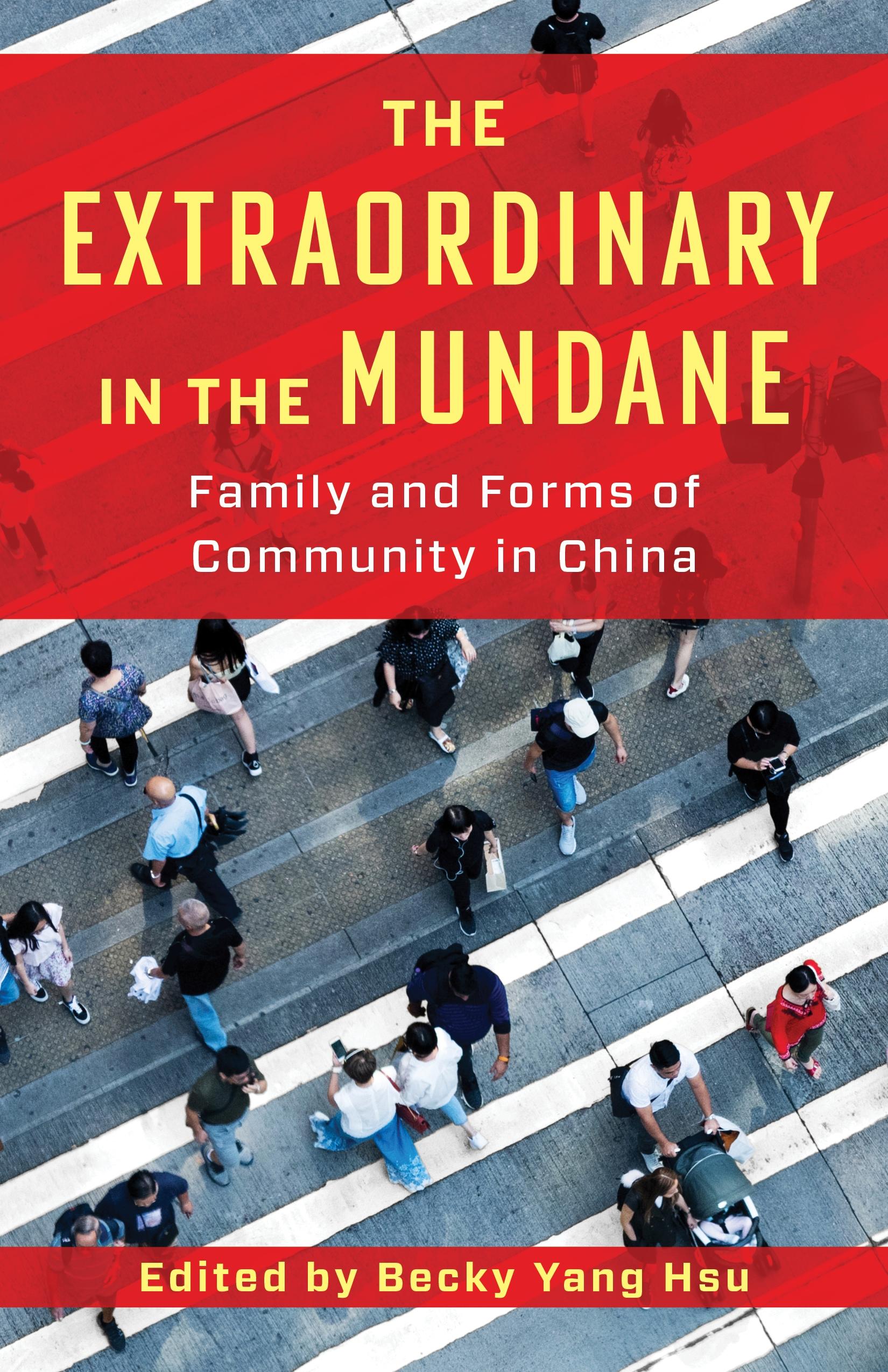
How do individuals address serious challenges in a context where organized gatherings are subject to strict government control? This book brings together a diverse group of scholars to explore the many ways people in China self-organize and create varied forms of coordination to solve important problems.
Through compelling, detail-rich case studies, The Extraordinary in the Mundane shows that family structures and networks deeply shape these modes of association. Because the public-private dichotomy does not resonate with many people in China, they rely on informal social ties, not formal organizations or state agencies, to confront personal challenges. Chapters present vivid ethnographic portraits that consider both positive and negative aspects of community formation. A woman with an autistic child creates an organization to advocate for inclusion of neurodivergent children in public schools. A trainee in a psychological counseling course finds mutual support among other participants. A boy is taken by his father to an internet addiction treatment camp that aims to restructure family interactions. A woman in her seventies shows off the burial clothes she prepared for herself, to the admiration of a group of friends. Offering a glimpse into the unofficial realities that often remain off the record, this book provides a wide-ranging and timely examination of the varieties of civic action in contemporary China.
Płać wygodnie kartą, Klarną, Apple Pay lub Google Pay. Nie jesteś zadowolony? Zawsze masz 14-dniową gwarancję zwrotu pieniędzy. Więcej przeczytasz w naszych warunkach. Masz pytania? Napisz do nas na hello@memmo.org.
Memmo ułatwia naukę – gdziekolwiek jesteś na świecie. U nas znajdziesz podręczniki i sprytne narzędzia do nauki w jednym miejscu: streszczenia, quizy, podcasty i fiszki. A do tego Ted, Twój kumpel do nauki, który odpowie na wszystko, co Cię nurtuje. Ponad 50 000 studentów już tu się uczy – stworzone, byś uczył się szybciej i mniej stresował.