
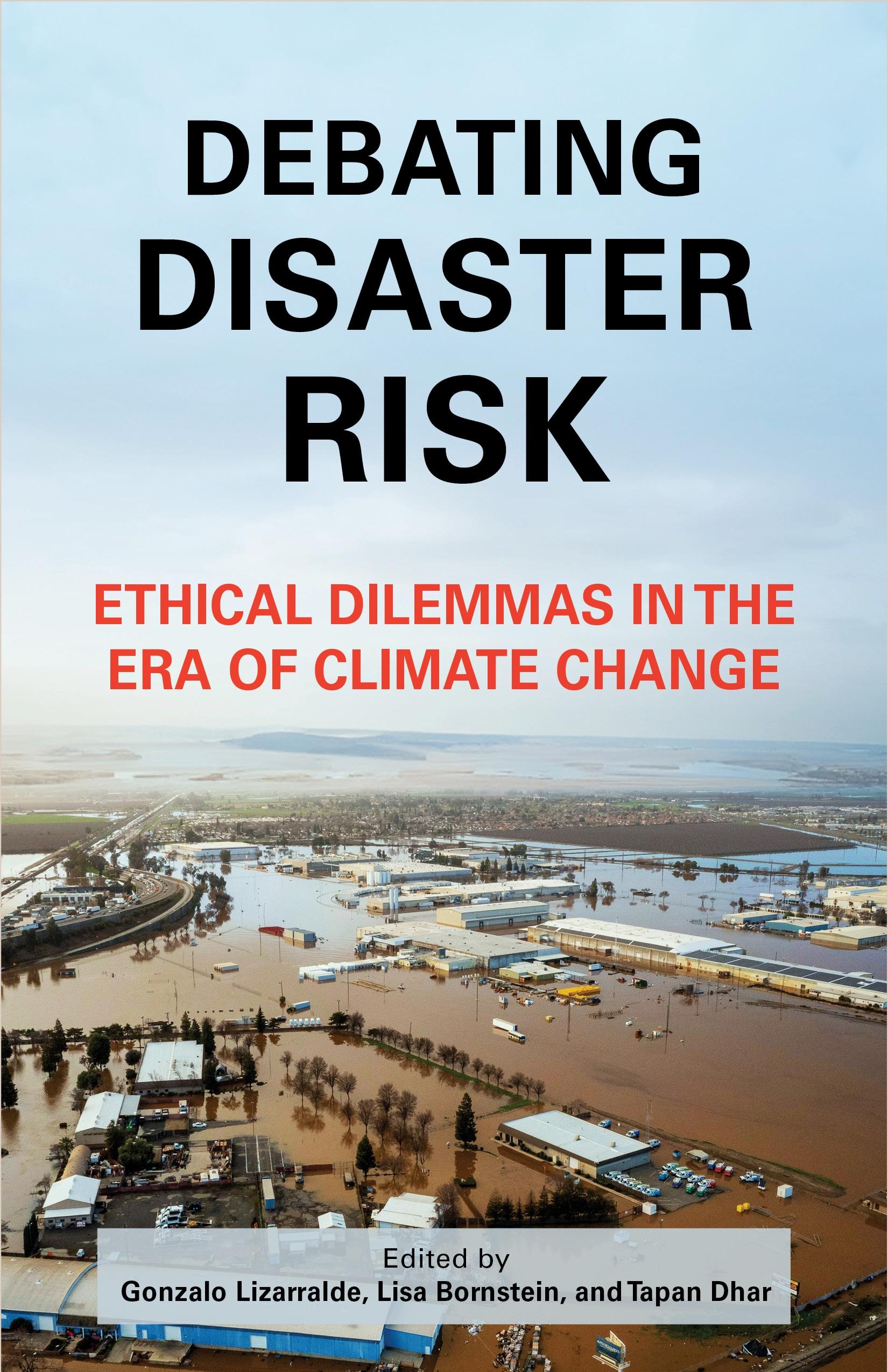
Dealing with the risks of climate change and disaster is a political process. It produces winners and losers, mobility and permanence, radical change and continuity, relief and suffering. For some, it ultimately leads to life or death. Yet consultants, academics, humanitarian agents, and politicians often simply propose well-intentioned ideas—resilience, sustainability, community participation, emergency shelter, green development—while failing to perceive the blind spots and unintended consequences of such approaches.
Debating Disaster Risk brings together leading global experts to explore the controversies that emerge—and the tough decisions that must be made—when cities, people, and the environment are at risk. Scholars and practitioners discuss the challenges of reducing vulnerability and rebuilding after destruction in an accessible and lively debate format, with commentary by researchers, students, and development workers from across the world. They emphasize the ethical consequences of decisions about how cities and communities should prepare for and react to disasters, considering issues such as housing, environmental protection, urban development, and infrastructure recovery.
A valuable resource for scholars, students, and practitioners in a variety of fields, this book provides an in-depth analysis of the difficult choices we face in dealing with disasters. As climate change accelerates, Debating Disaster Risk invites readers to grapple with the most pressing controversies.
Płać wygodnie kartą, Klarną, Apple Pay lub Google Pay. Nie jesteś zadowolony? Zawsze masz 14-dniową gwarancję zwrotu pieniędzy. Więcej przeczytasz w naszych warunkach. Masz pytania? Napisz do nas na hello@memmo.org.
Memmo ułatwia naukę – gdziekolwiek jesteś na świecie. U nas znajdziesz podręczniki i sprytne narzędzia do nauki w jednym miejscu: streszczenia, quizy, podcasty i fiszki. A do tego Ted, Twój kumpel do nauki, który odpowie na wszystko, co Cię nurtuje. Ponad 50 000 studentów już tu się uczy – stworzone, byś uczył się szybciej i mniej stresował.