
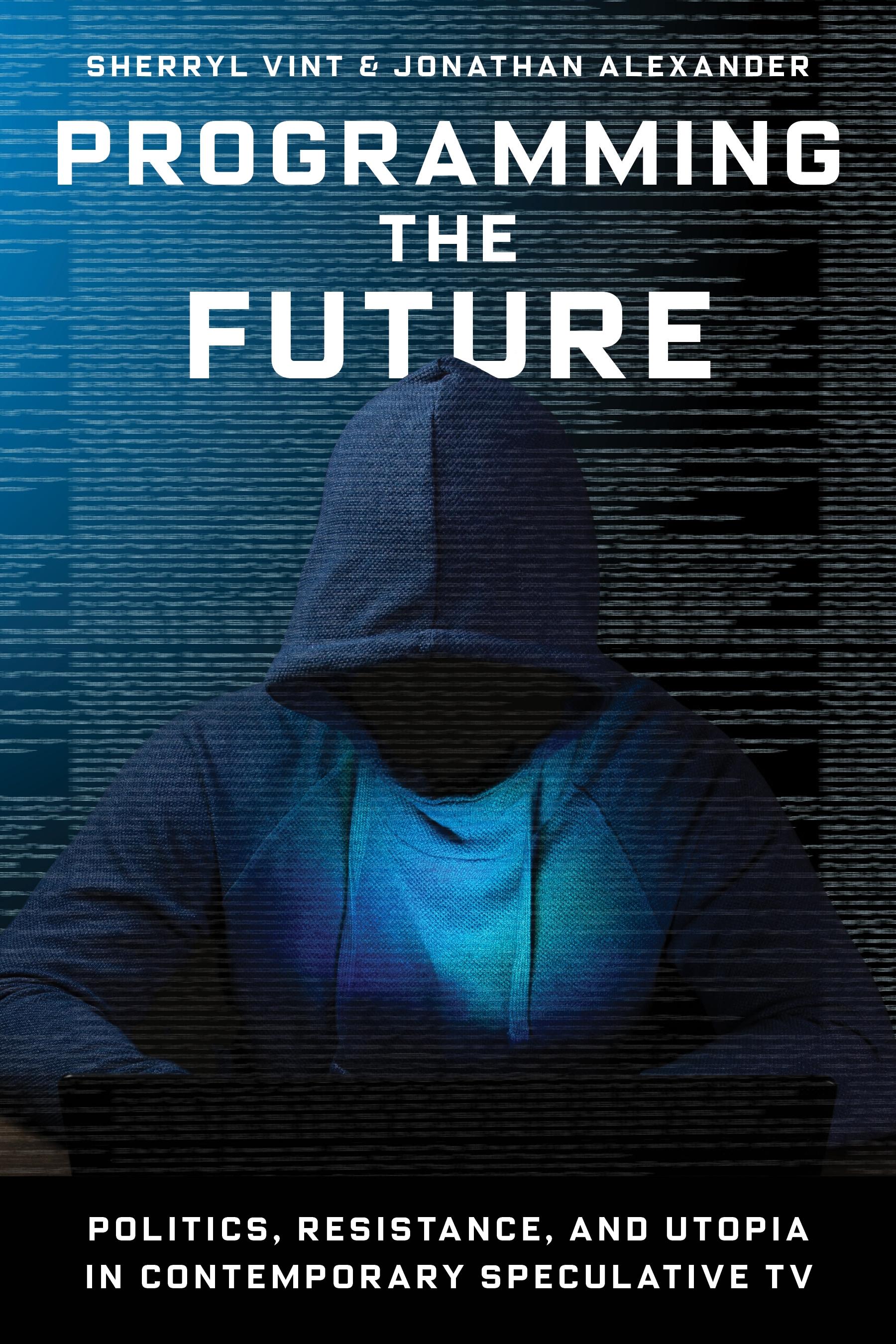
From 9/11 to COVID-19, the twenty-first century looks increasingly dystopian—and so do its television shows. Long-form science fiction narratives take one step further the fears of today: liberal democracy in crisis, growing economic precarity, the threat of terrorism, and omnipresent corporate control. At the same time, many of these shows attempt to visualize alternatives, using dystopian extrapolations to spotlight the possibility of building a better world.
Programming the Future examines how recent speculative television takes on the contradictions of the neoliberal order. Sherryl Vint and Jonathan Alexander consider a range of popular SF narratives of the last two decades, including Battlestar Galactica, Watchmen, Colony, The Man in the High Castle, The Expanse, and Mr. Robot. They argue that science fiction television foregrounds governance as part of explaining the novel institutions and norms of its imagined futures. In so doing, SF shows allegorize and critique contemporary social, political, and economic developments, helping audiences resist the naturalization of the status quo. Vint and Alexander also draw on queer theory to explore the representation of family structures and their relationship to larger social structures. Recasting both dystopian and utopian narratives, Programming the Future shows how depictions of alternative-world political struggles speak to urgent real-world issues of identity, belonging, and social and political change.
Płać wygodnie kartą, Klarną, Apple Pay lub Google Pay. Nie jesteś zadowolony? Zawsze masz 14-dniową gwarancję zwrotu pieniędzy. Więcej przeczytasz w naszych warunkach. Masz pytania? Napisz do nas na hello@memmo.org.
Memmo ułatwia naukę – gdziekolwiek jesteś na świecie. U nas znajdziesz podręczniki i sprytne narzędzia do nauki w jednym miejscu: streszczenia, quizy, podcasty i fiszki. A do tego Ted, Twój kumpel do nauki, który odpowie na wszystko, co Cię nurtuje. Ponad 50 000 studentów już tu się uczy – stworzone, byś uczył się szybciej i mniej stresował.