
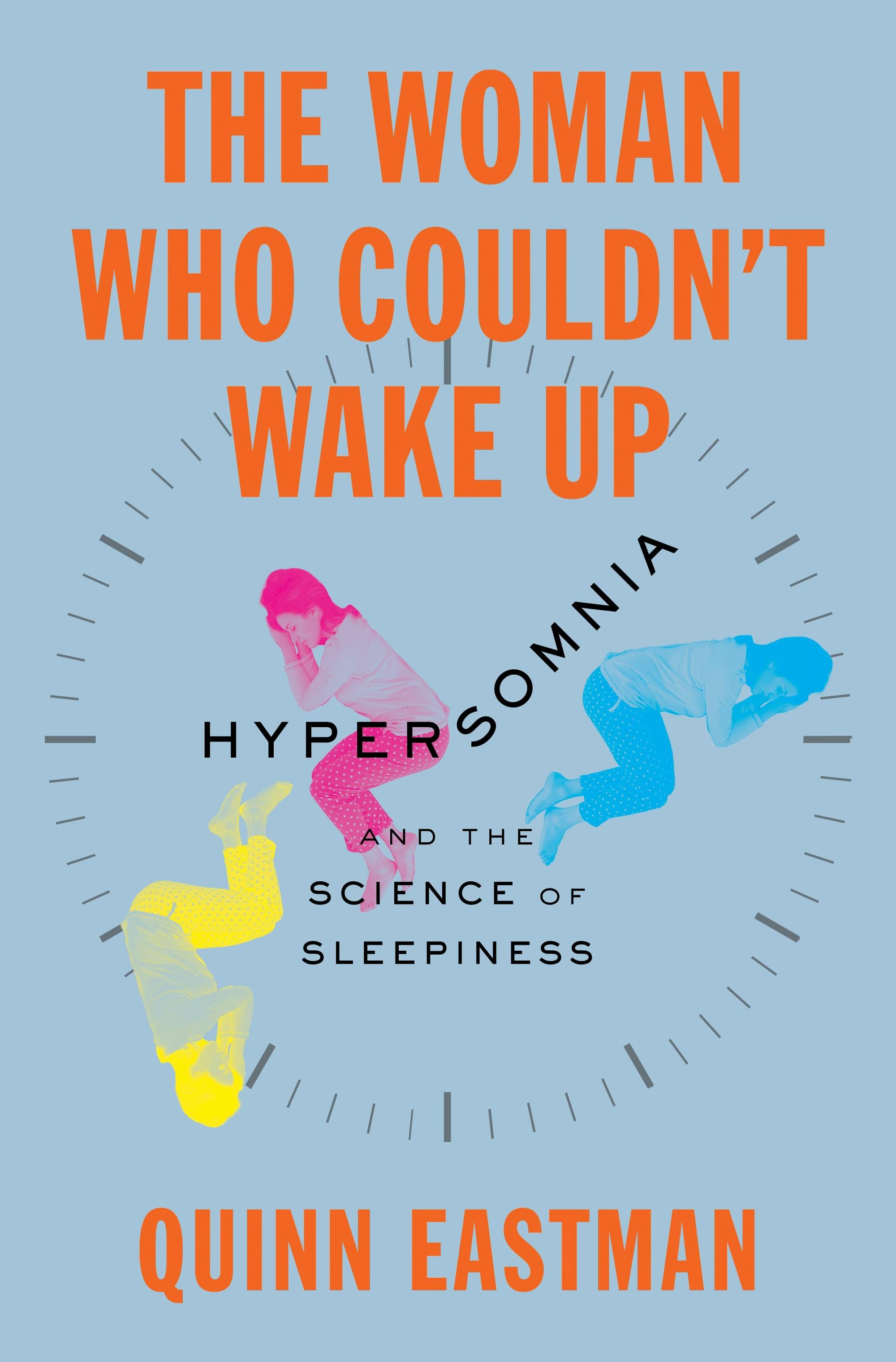
Sleep was taking over Anna’s life. Despite multiple alarm clocks and powerful stimulants, the young Atlanta lawyer could sleep for thirty or even fifty hours at a stretch. She stopped working and began losing weight because she couldn’t stay awake long enough to eat. Anna’s doctors didn't know how to help her until they tried an oddball drug, connected with a hunch that something produced by her body was putting her to sleep.
The Woman Who Couldn’t Wake Up tells Anna’s story—and the broader story of her diagnosis, idiopathic hypersomnia (IH), a shadowy sibling of narcolepsy that has emerged as a focus of sleep research and patient advocacy. Quinn Eastman explores the science around sleepiness, recounting how researchers have been searching for more than a century for the substances that tip the brain into slumber. He argues that investigation of IH could unlock new understandings of how sleep is regulated and controlled. Eastman foregrounds the experiences of people with IH, relating how publicity around Anna’s successful treatment helped others form a community. He shows how a group of patients who felt neglected or dismissed united to steer research toward their little-known disorder.
Sharing emerging science and powerful stories, this book testifies to the significance of underrecognized diseases and sheds new light on how our brains function, day and night. It is essential reading for anyone interested in sleep and sleep disorders, including those affected by or seeking to treat them.
Płać wygodnie kartą, Klarną, Apple Pay lub Google Pay. Nie jesteś zadowolony? Zawsze masz 14-dniową gwarancję zwrotu pieniędzy. Więcej przeczytasz w naszych warunkach. Masz pytania? Napisz do nas na hello@memmo.org.
Memmo ułatwia naukę – gdziekolwiek jesteś na świecie. U nas znajdziesz podręczniki i sprytne narzędzia do nauki w jednym miejscu: streszczenia, quizy, podcasty i fiszki. A do tego Ted, Twój kumpel do nauki, który odpowie na wszystko, co Cię nurtuje. Ponad 50 000 studentów już tu się uczy – stworzone, byś uczył się szybciej i mniej stresował.