
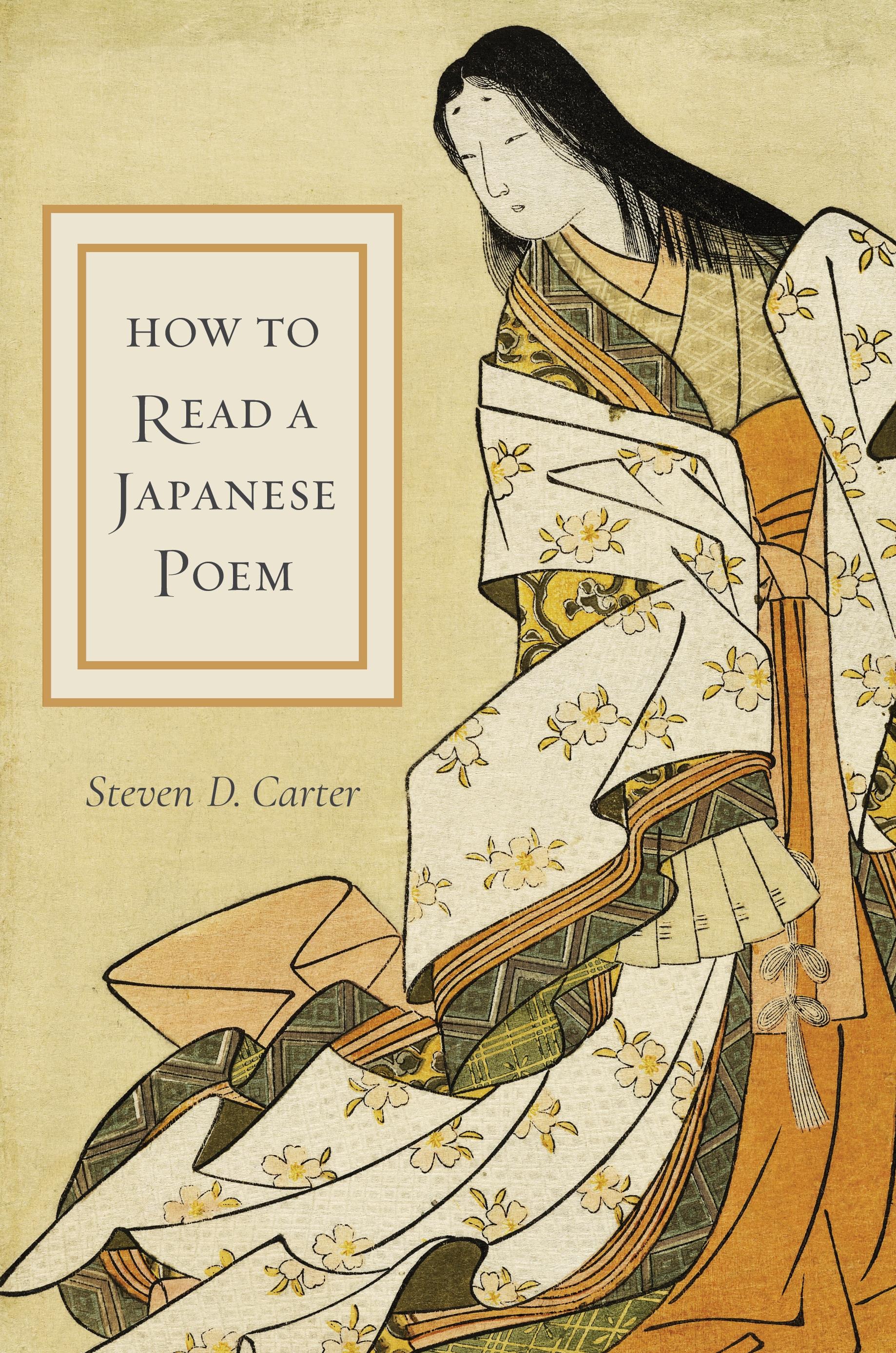
How to Read a Japanese Poem offers a comprehensive approach to making sense of traditional Japanese poetry of all genres and periods. Steven D. Carter explains to Anglophone students the methods of composition and literary interpretation used by Japanese poets, scholars, and critics from ancient times to the present, and adds commentary that will assist the modern reader.
How to Read a Japanese Poem presents readings of poems by major figures such as Saigyō and Bashō as well as lesser known poets, with nearly two hundred examples that encompass all genres of Japanese poetry. The book gives attention to well-known forms such as haikai or haiku, as well as ancient songs, comic poems, and linked verse. Each chapter provides examples of a genre in chronological order, followed by notes about authorship and other contextual details, including the time of composition, physical setting, and social occasion. The commentaries focus on a central feature of Japanese poetic discourse: that poems are often occasional, written in specific situations, and are best read in light of their milieu. Carter elucidates key concepts useful in examining Japanese poetics as well as the technical vocabulary of Japanese poetic discourse, familiarizing students with critical terms and concepts. An appendix offers succinct definitions of technical terms and essays on aesthetic ideals and devices.
Płać wygodnie kartą, Klarną, Apple Pay lub Google Pay. Nie jesteś zadowolony? Zawsze masz 14-dniową gwarancję zwrotu pieniędzy. Więcej przeczytasz w naszych warunkach. Masz pytania? Napisz do nas na hello@memmo.org.
Memmo ułatwia naukę – gdziekolwiek jesteś na świecie. U nas znajdziesz podręczniki i sprytne narzędzia do nauki w jednym miejscu: streszczenia, quizy, podcasty i fiszki. A do tego Ted, Twój kumpel do nauki, który odpowie na wszystko, co Cię nurtuje. Ponad 50 000 studentów już tu się uczy – stworzone, byś uczył się szybciej i mniej stresował.