
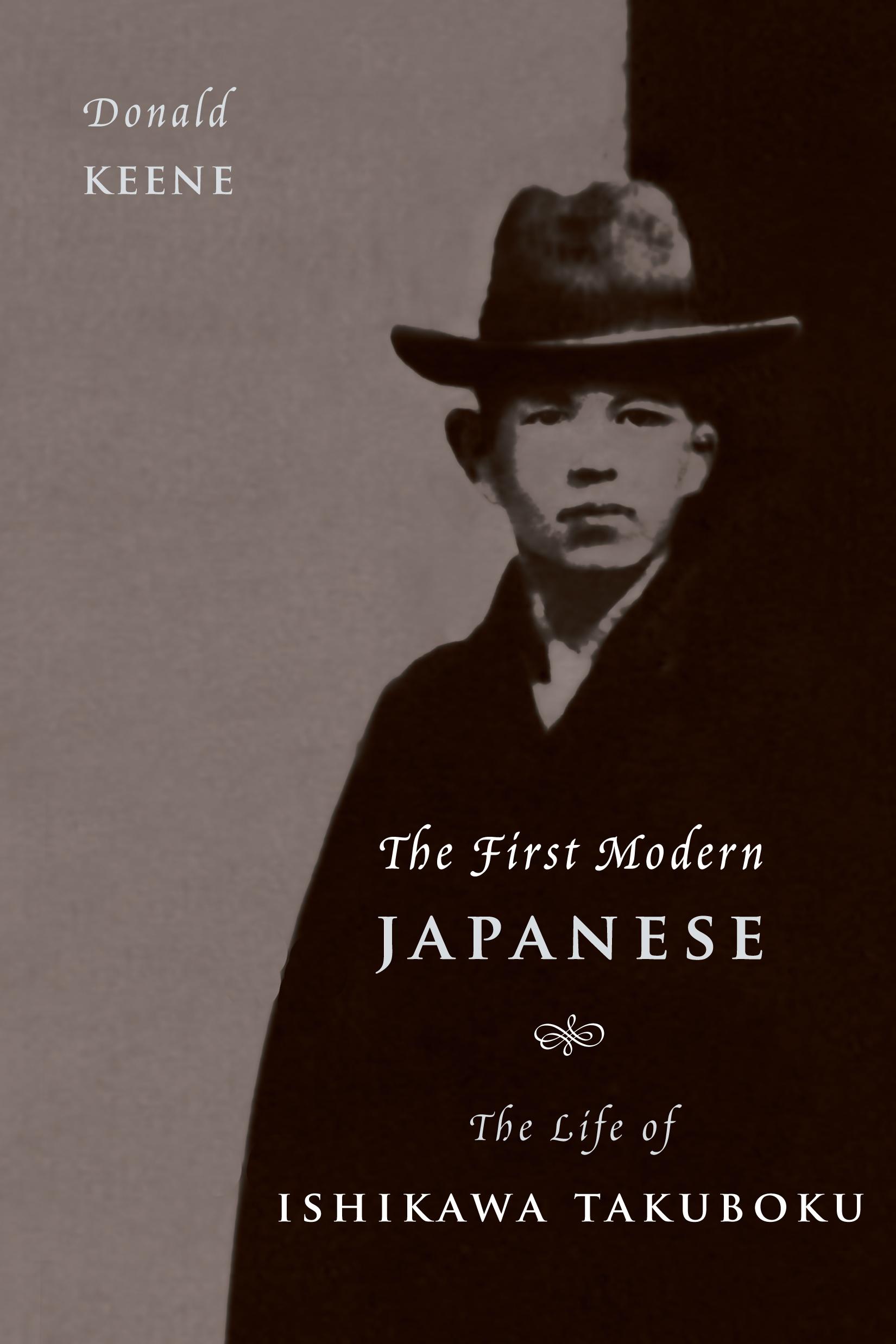
Many books in Japanese have been devoted to the poet and critic Ishikawa Takuboku (1886–1912). Although he died at the age of twenty-six and wrote many of his best-known poems in the space of a few years, his name is familiar to every literate Japanese. Takuboku's early death added to the sad romance of the unhappy poet, but there has been no satisfactory biography of his life or career, even in Japanese, and only a small part of his writings have been translated. His mature poetry was based on the work of no predecessor, and he left no disciples. Takuboku stands unique.
Takuboku's most popular poems, especially those with a humorous overlay, are often read and memorized, but his diaries and letters, though less familiar, contain rich and vivid glimpses of the poet's thoughts and experiences. They reflect the outlook of an unconstrained man who at times behaved in a startling or even shocking manner. Despite his misdemeanors, Takuboku is regarded as a national poet, all but a saint to his admirers, especially in the regions of Japan where he lived. His refusal to conform to the Japan of the time drove him in striking directions and ranked him as the first poet of the new Japan.
Płać wygodnie kartą, Klarną, Apple Pay lub Google Pay. Nie jesteś zadowolony? Zawsze masz 14-dniową gwarancję zwrotu pieniędzy. Więcej przeczytasz w naszych warunkach. Masz pytania? Napisz do nas na hello@memmo.org.
Memmo ułatwia naukę – gdziekolwiek jesteś na świecie. U nas znajdziesz podręczniki i sprytne narzędzia do nauki w jednym miejscu: streszczenia, quizy, podcasty i fiszki. A do tego Ted, Twój kumpel do nauki, który odpowie na wszystko, co Cię nurtuje. Ponad 50 000 studentów już tu się uczy – stworzone, byś uczył się szybciej i mniej stresował.