
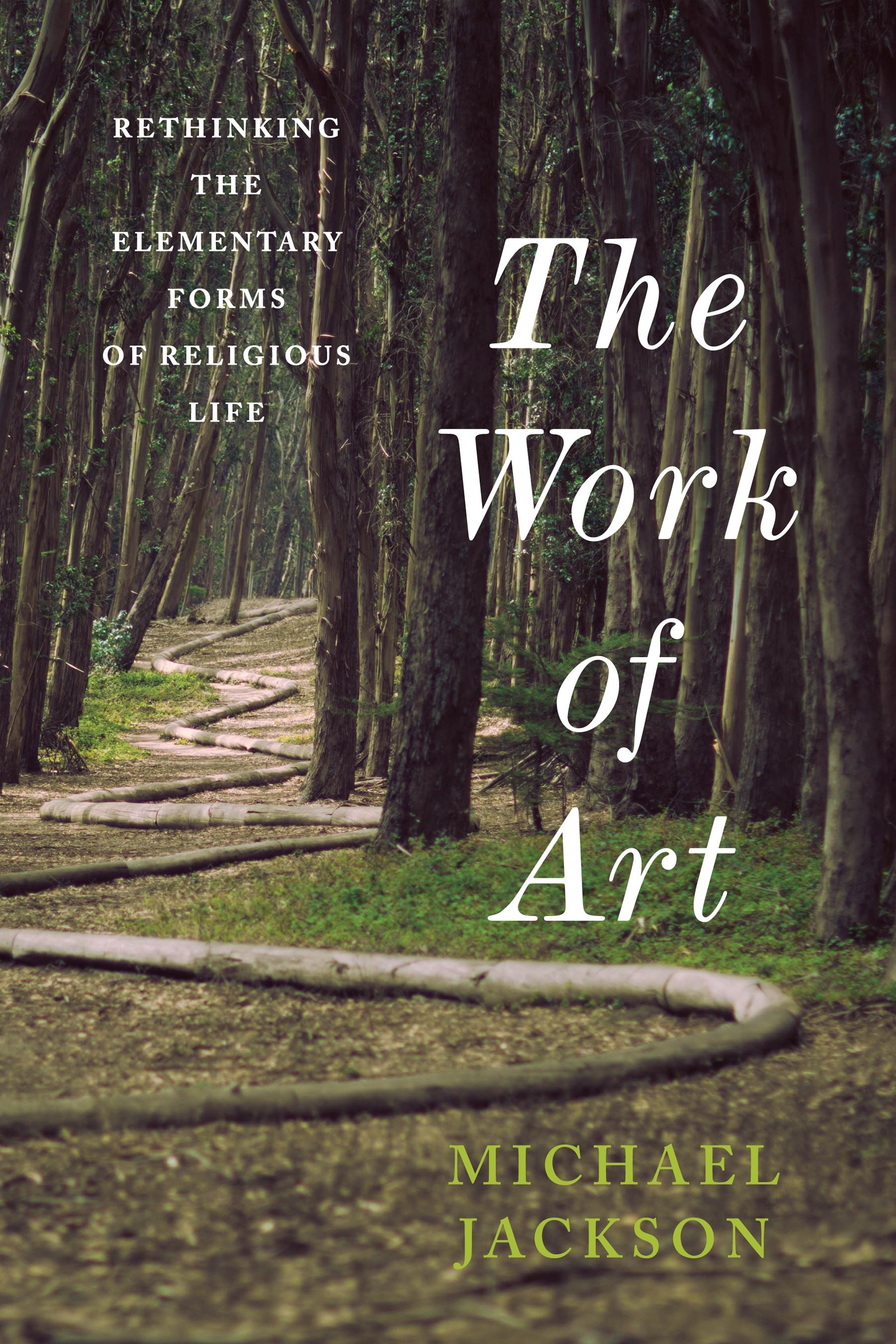
How are we to think of works of art? Rather than treat art as an expression of individual genius, market forces, or aesthetic principles, Michael Jackson focuses on how art effects transformations in our lives. Art opens up transitional, ritual, or utopian spaces that enable us to reconcile inward imperatives and outward constraints, thereby making our lives more manageable and meaningful. Art allows us to strike a balance between being actors and being acted upon.
Drawing on his ethnographic fieldwork in Aboriginal Australia and West Africa, as well as insights from psychoanalysis, religious studies, literature, and the philosophy of art, Jackson deploys an extraordinary range of references—from Bruegel to Beuys, Paleolithic art to performance art, Michelangelo to Munch—to explore the symbolic labor whereby human beings make themselves, both individually and socially, out of the environmental, biographical, and physical materials that affect them: a process that connects art with gestation, storytelling, and dreaming and illuminates the elementary forms of religious life.
Płać wygodnie kartą, Klarną, Apple Pay lub Google Pay. Nie jesteś zadowolony? Zawsze masz 14-dniową gwarancję zwrotu pieniędzy. Więcej przeczytasz w naszych warunkach. Masz pytania? Napisz do nas na hello@memmo.org.
Memmo ułatwia naukę – gdziekolwiek jesteś na świecie. U nas znajdziesz podręczniki i sprytne narzędzia do nauki w jednym miejscu: streszczenia, quizy, podcasty i fiszki. A do tego Ted, Twój kumpel do nauki, który odpowie na wszystko, co Cię nurtuje. Ponad 50 000 studentów już tu się uczy – stworzone, byś uczył się szybciej i mniej stresował.