
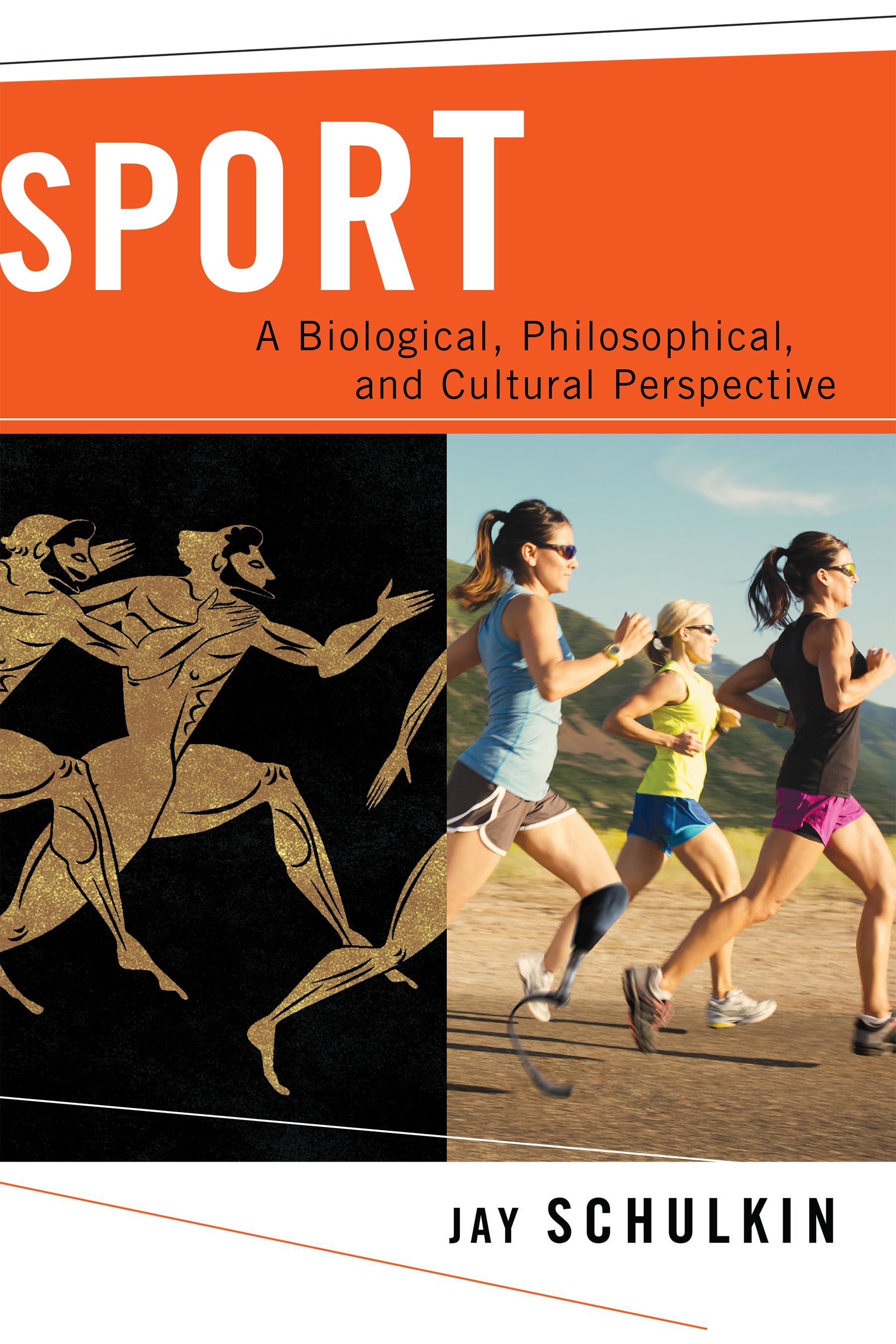
Sports are as varied as the people who play them. We run, jump, and swim. We kick, hit, and shoot balls. We ride sleds in the snow and surf in the sea. From the Olympians of ancient Greece to today's professional athletes, from adult pickup soccer games to children's gymnastics classes, people at all levels of ability at all times and in all places have engaged in sport. What drives this phenomenon?
In Sport, the neuroscientist Jay Schulkin argues that biology and culture do more than coexist when we play sports—they blend together seamlessly, propelling each other toward greater physical and intellectual achievement. To support this claim, Schulkin discusses history, literature, and art—and engages philosophical inquiry and recent behavioral research. He connects sport's basic neural requirements, including spatial and temporal awareness, inference, memory, agency, direction, competitive spirit, and endurance, to the demands of other human activities. He affirms sport's natural role as a creative evolutionary catalyst, turning the external play of sports inward and bringing insight to the diversion that defines our species. Sport, we learn, is a fundamental part of human life.
Płać wygodnie kartą, Klarną, Apple Pay lub Google Pay. Nie jesteś zadowolony? Zawsze masz 14-dniową gwarancję zwrotu pieniędzy. Więcej przeczytasz w naszych warunkach. Masz pytania? Napisz do nas na hello@memmo.org.
Memmo ułatwia naukę – gdziekolwiek jesteś na świecie. U nas znajdziesz podręczniki i sprytne narzędzia do nauki w jednym miejscu: streszczenia, quizy, podcasty i fiszki. A do tego Ted, Twój kumpel do nauki, który odpowie na wszystko, co Cię nurtuje. Ponad 50 000 studentów już tu się uczy – stworzone, byś uczył się szybciej i mniej stresował.