
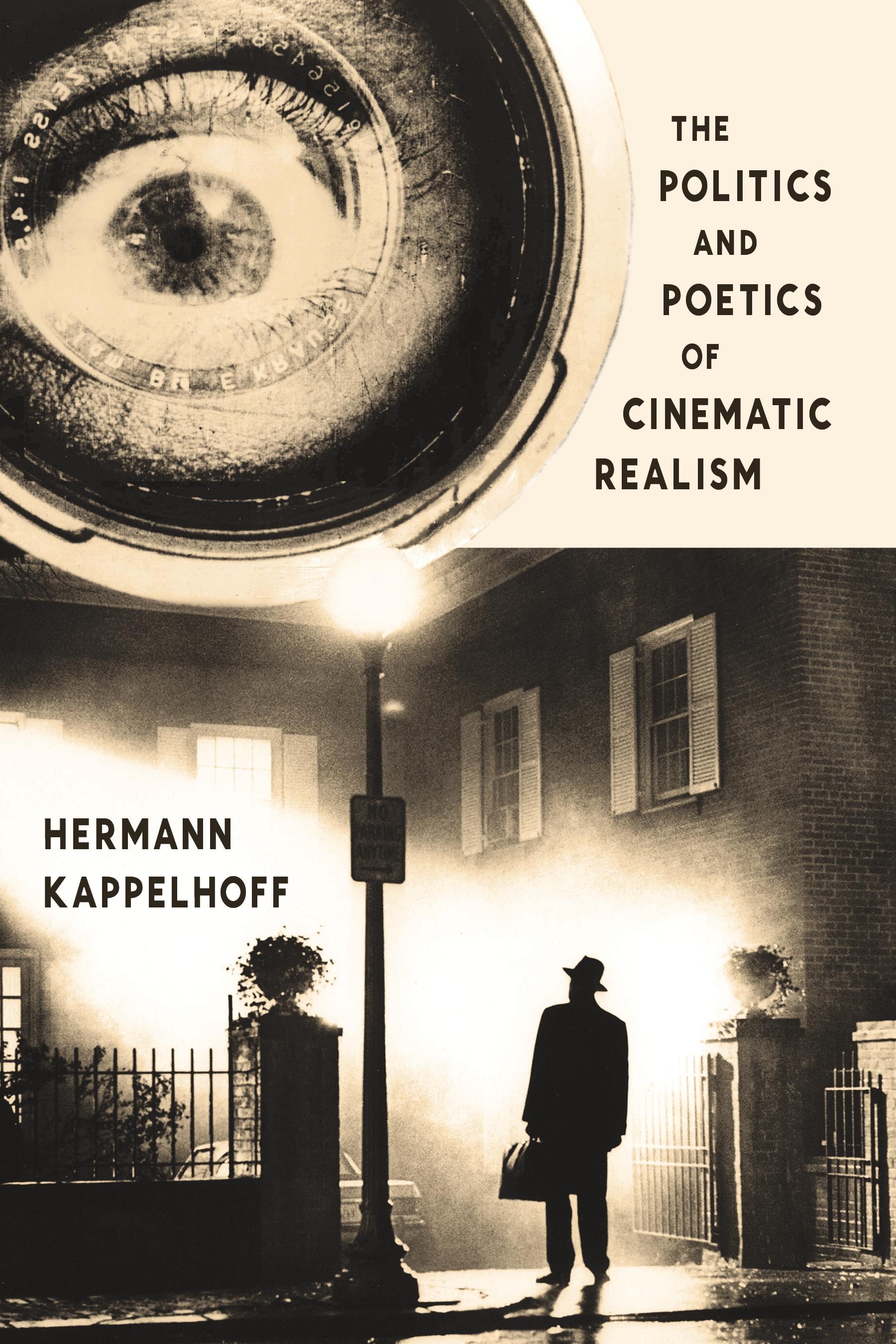
Hermann Kappelhoff casts the evolution of cinema as an ongoing struggle to relate audiences to their historical moment. Appreciating cinema's unique ability to bind concrete living conditions to individual experience (which existing political institutions cannot), he reads films by Sergei Eisenstein and Pedro Almodóvar, by the New Objectivity and the New Hollywood, to demonstrate how cinema situates spectators within society.
Kappelhoff applies the Deleuzean practice of "thinking in images" to his analysis of films and incorporates the approaches of Jacques Rancière and Richard Rorty, who see politics in the permanent reconfiguration of poetic forms. This enables him to conceptualize film as a medium that continually renews the audiovisual spaces and temporalities through which audiences confront reality. Revitalizing the reading of films by Visconti, Fassbinder, Kubrick, Friedkin, and others, Kappelhoff affirms cinema's historical significance while discovering its engagement with politics as a realm of experience.
Płać wygodnie kartą, Klarną, Apple Pay lub Google Pay. Nie jesteś zadowolony? Zawsze masz 14-dniową gwarancję zwrotu pieniędzy. Więcej przeczytasz w naszych warunkach. Masz pytania? Napisz do nas na hello@memmo.org.
Memmo ułatwia naukę – gdziekolwiek jesteś na świecie. U nas znajdziesz podręczniki i sprytne narzędzia do nauki w jednym miejscu: streszczenia, quizy, podcasty i fiszki. A do tego Ted, Twój kumpel do nauki, który odpowie na wszystko, co Cię nurtuje. Ponad 50 000 studentów już tu się uczy – stworzone, byś uczył się szybciej i mniej stresował.