
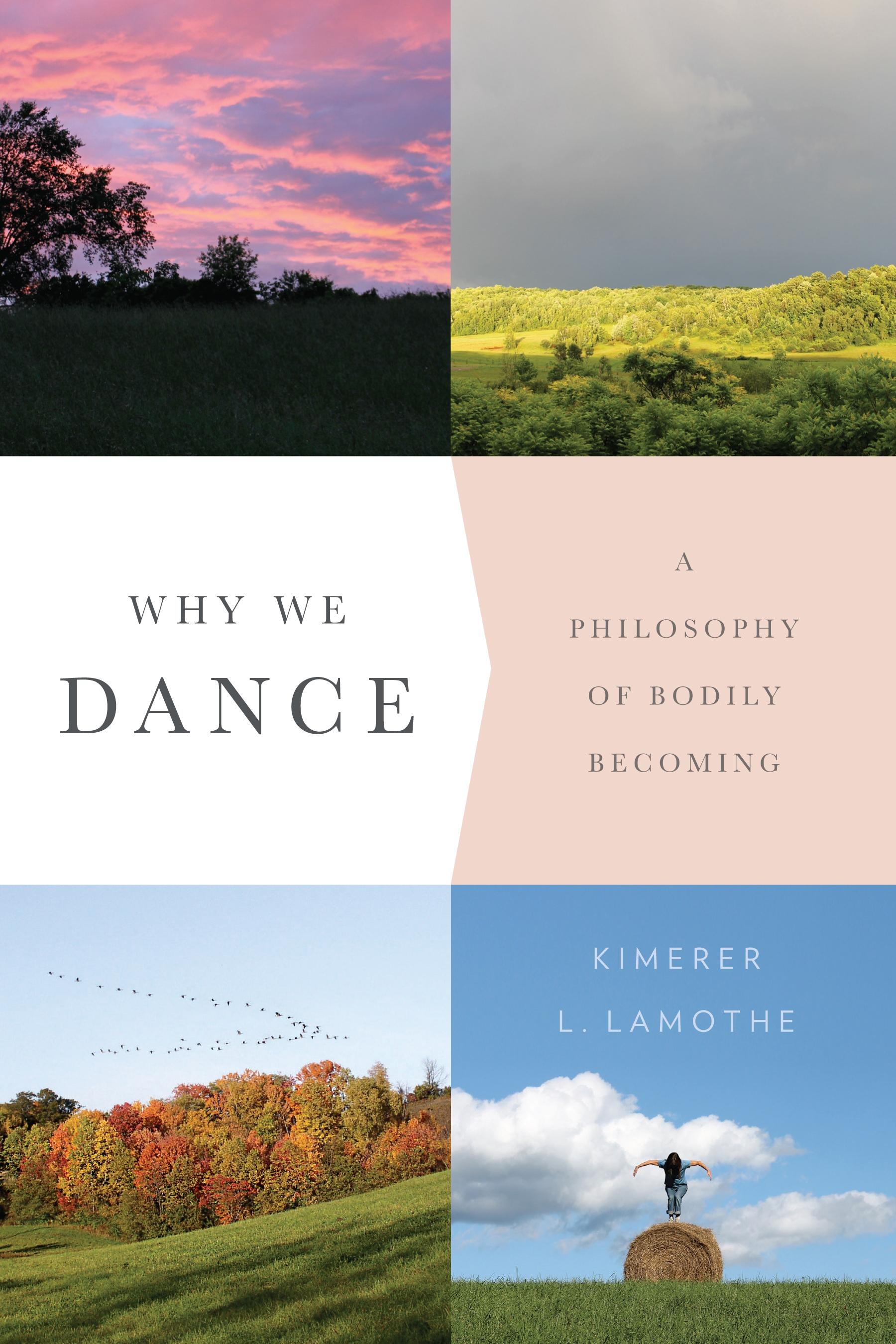
Within intellectual paradigms that privilege mind over matter, dance has long appeared as a marginal, derivative, or primitive art. Drawing support from theorists and artists who embrace matter as dynamic and agential, this book offers a visionary definition of dance that illuminates its constitutive work in the ongoing evolution of human persons.
Why We Dance introduces a philosophy of bodily becoming that posits bodily movement as the source and telos of human life. Within this philosophy, dance appears as an activity that humans evolved to do as the enabling condition of their best bodily becoming. Weaving theoretical reflection with accounts of lived experience, this book positions dance as a catalyst in the development of human consciousness, compassion, ritual proclivity, and ecological adaptability. Aligning with trends in new materialism, affect theory, and feminist philosophy, as well as advances in dance and religious studies, this work reveals the vital role dance can play in reversing the trajectory of ecological self-destruction along which human civilization is racing.
Płać wygodnie kartą, Klarną, Apple Pay lub Google Pay. Nie jesteś zadowolony? Zawsze masz 14-dniową gwarancję zwrotu pieniędzy. Więcej przeczytasz w naszych warunkach. Masz pytania? Napisz do nas na hello@memmo.org.
Memmo ułatwia naukę – gdziekolwiek jesteś na świecie. U nas znajdziesz podręczniki i sprytne narzędzia do nauki w jednym miejscu: streszczenia, quizy, podcasty i fiszki. A do tego Ted, Twój kumpel do nauki, który odpowie na wszystko, co Cię nurtuje. Ponad 50 000 studentów już tu się uczy – stworzone, byś uczył się szybciej i mniej stresował.