
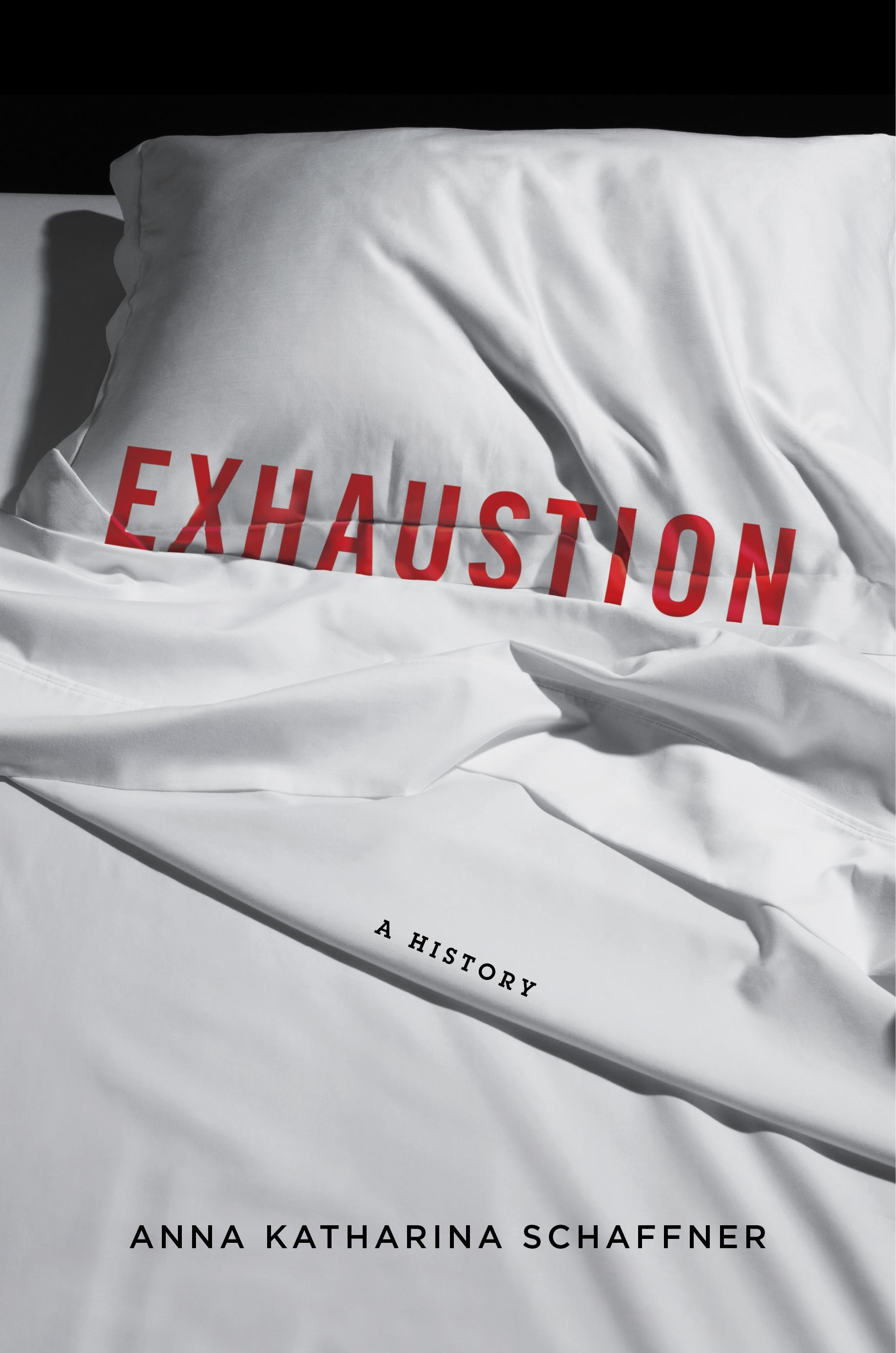
Today our fatigue feels chronic; our anxieties, amplified. Proliferating technologies command our attention. Many people complain of burnout, and economic instability and the threat of ecological catastrophe fill us with dread. We look to the past, imagining life to have once been simpler and slower, but extreme mental and physical stress is not a modern syndrome. Beginning in classical antiquity, this book demonstrates how exhaustion has always been with us and helps us evaluate more critically the narratives we tell ourselves about the phenomenon.
Medical, cultural, literary, and biographical sources have cast exhaustion as a biochemical imbalance, a somatic ailment, a viral disease, and a spiritual failing. It has been linked to loss, the alignment of the planets, a perverse desire for death, and social and economic disruption. Pathologized, demonized, sexualized, and even weaponized, exhaustion unites the mind with the body and society in such a way that we attach larger questions of agency, willpower, and well-being to its symptoms. Mapping these political, ideological, and creative currents across centuries of human development, Exhaustion finds in our struggle to overcome weariness a more significant effort to master ourselves.
Płać wygodnie kartą, Klarną, Apple Pay lub Google Pay. Nie jesteś zadowolony? Zawsze masz 14-dniową gwarancję zwrotu pieniędzy. Więcej przeczytasz w naszych warunkach. Masz pytania? Napisz do nas na hello@memmo.org.
Memmo ułatwia naukę – gdziekolwiek jesteś na świecie. U nas znajdziesz podręczniki i sprytne narzędzia do nauki w jednym miejscu: streszczenia, quizy, podcasty i fiszki. A do tego Ted, Twój kumpel do nauki, który odpowie na wszystko, co Cię nurtuje. Ponad 50 000 studentów już tu się uczy – stworzone, byś uczył się szybciej i mniej stresował.