
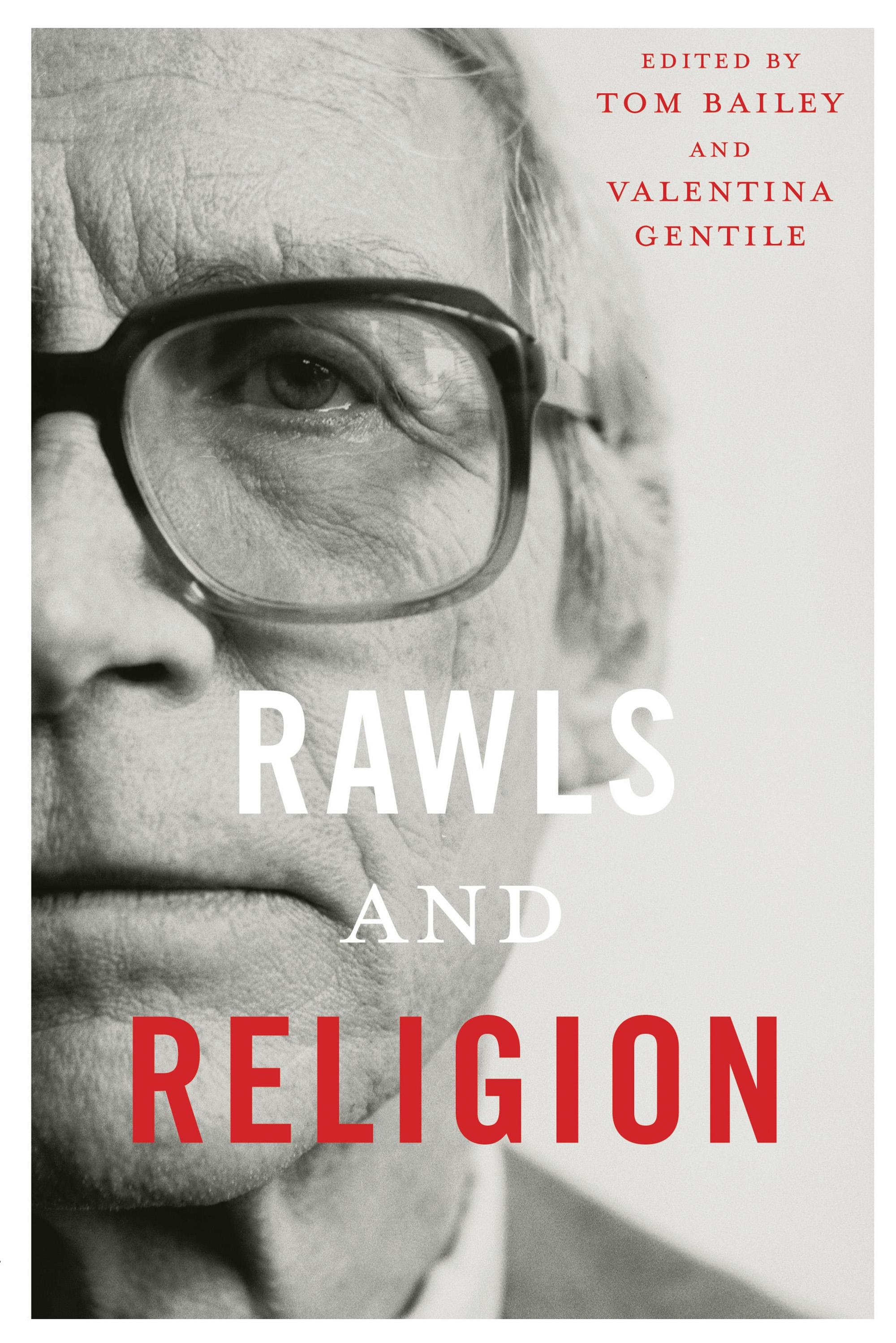
John Rawls's influential theory of justice and public reason has often been thought to exclude religion from politics, out of fear of its illiberal and destabilizing potentials. It has therefore been criticized by defenders of religion for marginalizing and alienating the wealth of religious sensibilities, voices, and demands now present in contemporary liberal societies.
In this anthology, established scholars of Rawls and the philosophy of religion reexamine and rearticulate the central tenets of Rawls's theory to show they in fact offer sophisticated resources for accommodating and responding to religions in liberal political life. The chapters reassert the subtlety, openness, and flexibility of his sense of liberal "respect" and "consensus," revealing their inclusive implications for religious citizens. They also explore the means he proposes for accommodating nonliberal religions in liberal politics, developing his conception of "public reason" into a novel account of the possibilities for rational engagement between liberal and religious ideas. And they reevaluate Rawls's liberalism from the "transcendent" perspectives of religions themselves, critically considering its normative and political value, as well as its own "religious" character. Rawls and Religion makes a unique and important contribution to contemporary debates over liberalism and its response to the proliferation of religions in contemporary political life.
Płać wygodnie kartą, Klarną, Apple Pay lub Google Pay. Nie jesteś zadowolony? Zawsze masz 14-dniową gwarancję zwrotu pieniędzy. Więcej przeczytasz w naszych warunkach. Masz pytania? Napisz do nas na hello@memmo.org.
Memmo ułatwia naukę – gdziekolwiek jesteś na świecie. U nas znajdziesz podręczniki i sprytne narzędzia do nauki w jednym miejscu: streszczenia, quizy, podcasty i fiszki. A do tego Ted, Twój kumpel do nauki, który odpowie na wszystko, co Cię nurtuje. Ponad 50 000 studentów już tu się uczy – stworzone, byś uczył się szybciej i mniej stresował.