
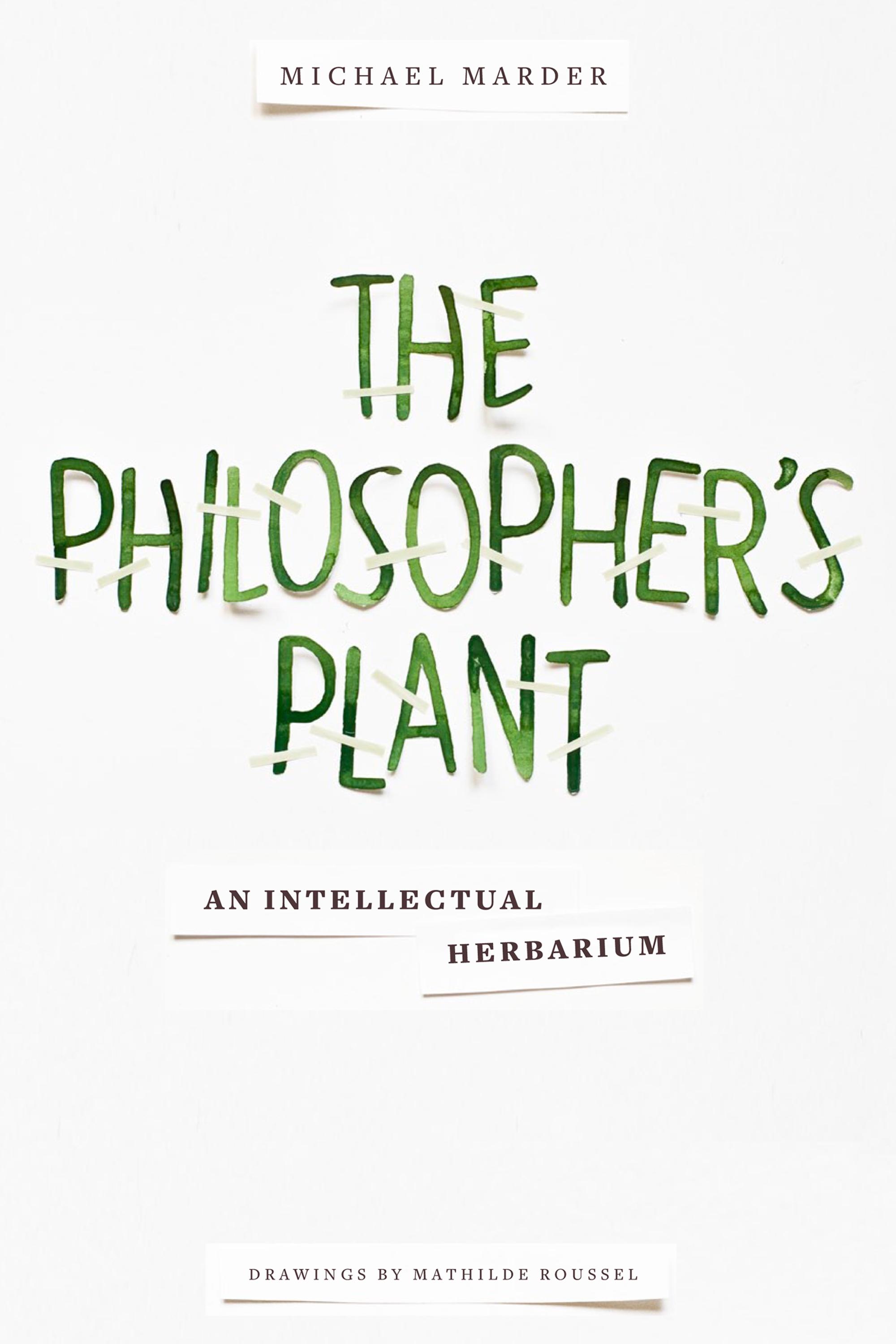
Despite their conceptual allergy to vegetal life, philosophers have used germination, growth, blossoming, fruition, reproduction, and decay as illustrations of abstract concepts; mentioned plants in passing as the natural backdrops for dialogues, letters, and other compositions; spun elaborate allegories out of flowers, trees, and even grass; and recommended appropriate medicinal, dietary, and aesthetic approaches to select species of plants.
In this book, Michael Marder illuminates the vegetal centerpieces and hidden kernels that have powered theoretical discourse for centuries. Choosing twelve botanical specimens that correspond to twelve significant philosophers, he recasts the development of philosophy through the evolution of human and plant relations. A philosophical history for the postmetaphysical age, The Philosopher's Plant reclaims the organic heritage of human thought. With the help of vegetal images, examples, and metaphors, the book clears a path through philosophy's tangled roots and dense undergrowth, opening up the discipline to all readers.
Płać wygodnie kartą, Klarną, Apple Pay lub Google Pay. Nie jesteś zadowolony? Zawsze masz 14-dniową gwarancję zwrotu pieniędzy. Więcej przeczytasz w naszych warunkach. Masz pytania? Napisz do nas na hello@memmo.org.
Memmo ułatwia naukę – gdziekolwiek jesteś na świecie. U nas znajdziesz podręczniki i sprytne narzędzia do nauki w jednym miejscu: streszczenia, quizy, podcasty i fiszki. A do tego Ted, Twój kumpel do nauki, który odpowie na wszystko, co Cię nurtuje. Ponad 50 000 studentów już tu się uczy – stworzone, byś uczył się szybciej i mniej stresował.