
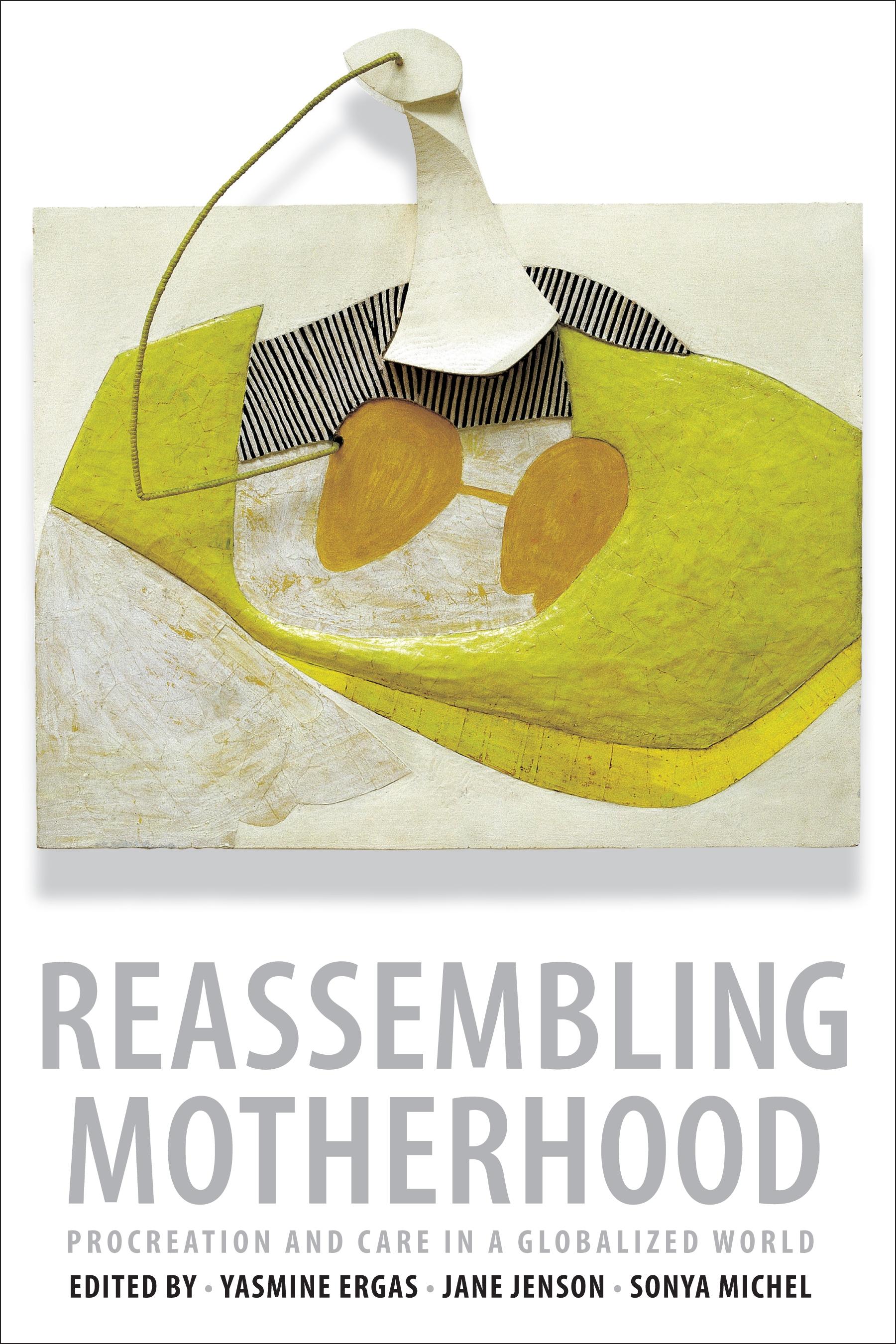
The word “mother” traditionally meant a woman who bears and nurtures a child. In recent decades, changes in social norms and public policy as well as advances in reproductive technologies and the development of markets for procreation and care have radically expanded definitions of motherhood. But while maternity has become a matter of choice for more women, the freedom to make reproductive decisions is unevenly distributed. Restrictive policies, socioeconomic disadvantages, cultural mores, and discrimination force some women into motherhood and prevent others from caring for their children.
Reassembling Motherhood brings together contributors from across the disciplines to consider the transformation of motherhood as both an identity and a role. It examines how the processes of bearing and rearing a child are being restructured as reproductive labor and care work change around the globe. The authors examine issues such as artificial reproductive technologies, surrogacy, fetal ultrasounds, adoption, nonparental care, and the legal status of kinship, showing how complex chains of procreation and childcare have simultaneously generated greater liberty and new forms of constraint. Emphasizing the tension between the liberalization of procreation and care on the one hand, and the limits to their democratization due to race, class, and global inequality on the other, the book highlights debates that have emerged as these multifaceted changes have led to both the fragmentation and reassembling of motherhood.
Płać wygodnie kartą, Klarną, Apple Pay lub Google Pay. Nie jesteś zadowolony? Zawsze masz 14-dniową gwarancję zwrotu pieniędzy. Więcej przeczytasz w naszych warunkach. Masz pytania? Napisz do nas na hello@memmo.org.
Memmo ułatwia naukę – gdziekolwiek jesteś na świecie. U nas znajdziesz podręczniki i sprytne narzędzia do nauki w jednym miejscu: streszczenia, quizy, podcasty i fiszki. A do tego Ted, Twój kumpel do nauki, który odpowie na wszystko, co Cię nurtuje. Ponad 50 000 studentów już tu się uczy – stworzone, byś uczył się szybciej i mniej stresował.