
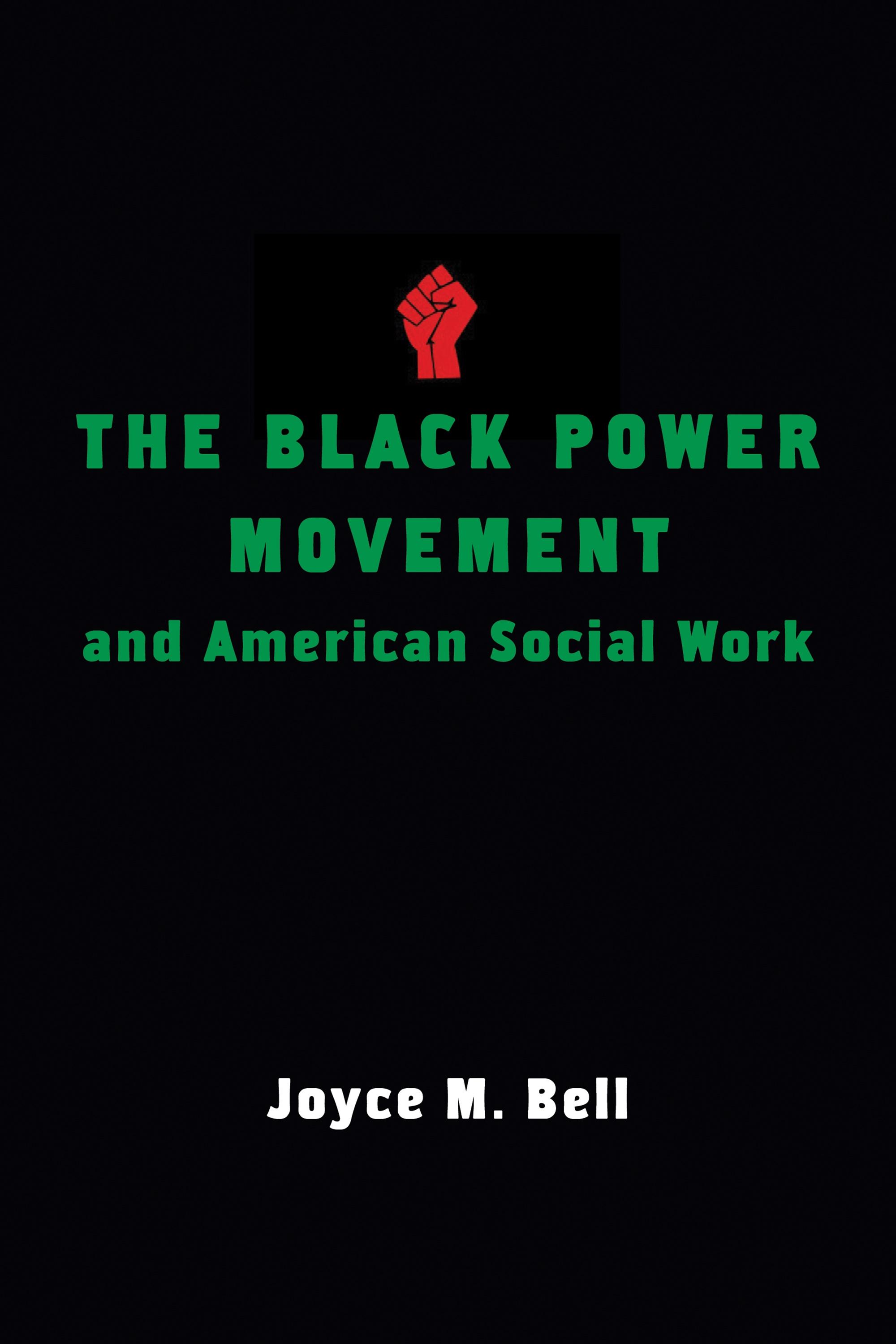
The Black Power movement has often been portrayed in history and popular culture as the quintessential "bad boy" of modern black movement-making in America. Yet this impression misses the full extent of Black Power's contributions to U.S. society, especially in regard to black professionals in social work.
Relying on extensive archival research and oral history interviews, Joyce M. Bell follows two groups of black social workers in the 1960s and 1970s as they mobilized Black Power ideas, strategies, and tactics to change their national professional associations. Comparing black dissenters within the National Federation of Settlements (NFS), who fought for concessions from within their organization, and those within the National Conference on Social Welfare (NCSW), who ultimately adopted a separatist strategy, she shows how the Black Power influence was central to the creation and rise of black professional associations. She also provides a nuanced approach to studying race-based movements and offers a framework for understanding the role of social movements in shaping the non-state organizations of civil society.
Płać wygodnie kartą, Klarną, Apple Pay lub Google Pay. Nie jesteś zadowolony? Zawsze masz 14-dniową gwarancję zwrotu pieniędzy. Więcej przeczytasz w naszych warunkach. Masz pytania? Napisz do nas na hello@memmo.org.
Memmo ułatwia naukę – gdziekolwiek jesteś na świecie. U nas znajdziesz podręczniki i sprytne narzędzia do nauki w jednym miejscu: streszczenia, quizy, podcasty i fiszki. A do tego Ted, Twój kumpel do nauki, który odpowie na wszystko, co Cię nurtuje. Ponad 50 000 studentów już tu się uczy – stworzone, byś uczył się szybciej i mniej stresował.