
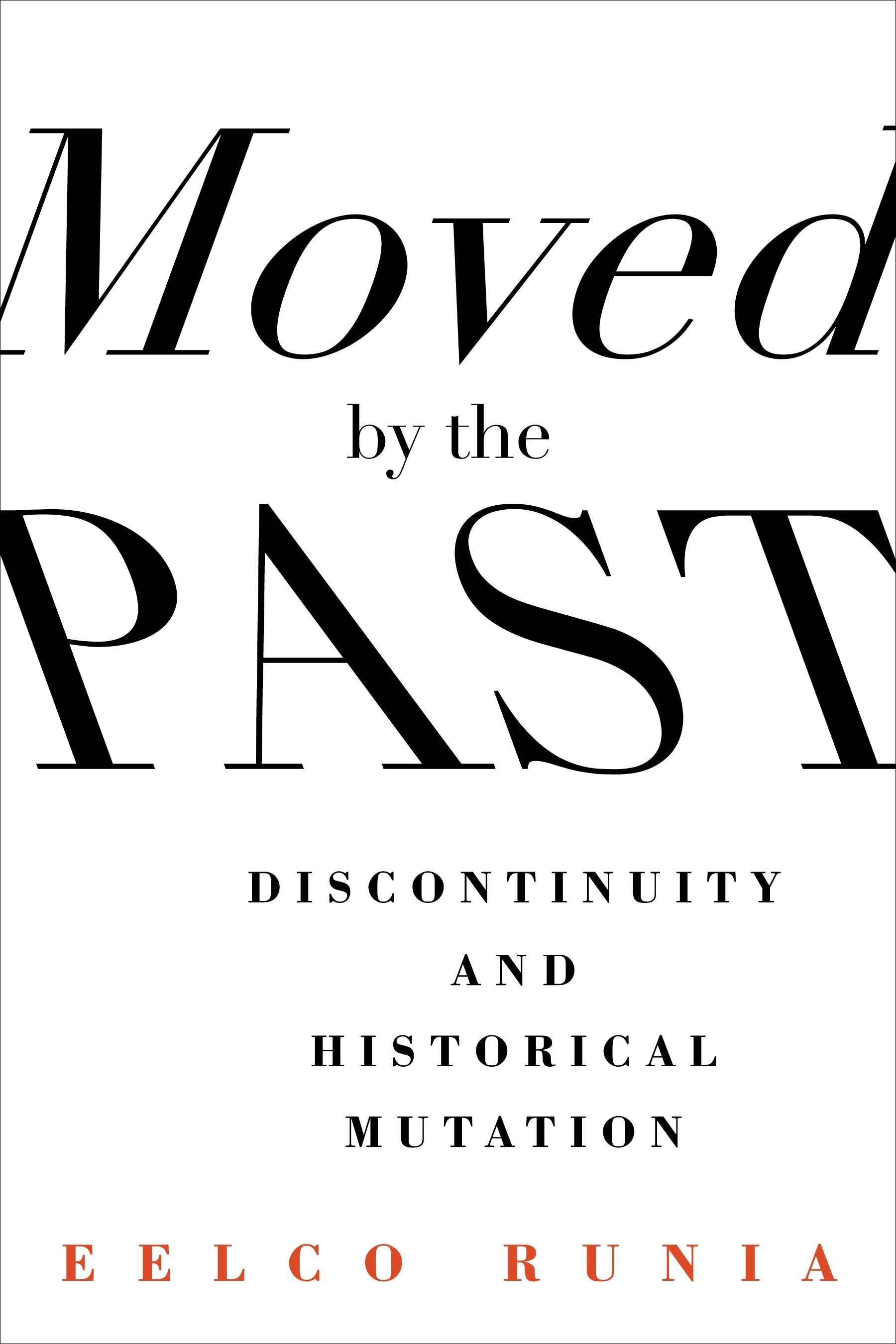
Historians go to great lengths to avoid confronting discontinuity, searching for explanations as to why such events as the fall of the Berlin Wall, George W. Bush's invasion of Iraq, and the introduction of the euro logically develop from what came before. Moved by the Past radically breaks with this tradition of predating the past, incites us to fully acknowledge the discontinuous nature of discontinuities, and proposes to use the fact that history is propelled by unforeseeable leaps and bounds as a starting point for a truly evolutionary conception of history.
Integrating research from a variety of disciplines, Eelco Runia identifies two modes of being "moved by the past": regressive and revolutionary. In the regressive mode, the past may either overwhelm us—as in nostalgia—or provoke us to act out what we believe to be solidly dead. When we are moved by the past in a revolutionary sense, we may be said to embody history: we burn our bridges behind us and create accomplished facts we have no choice but to live up to. In the final thesis of Moved by the Past, humans energize their own evolution by habitually creating situations ("catastrophes" or sublime historical events) that put a premium on mutations. This book therefore illuminates how every now and then we chase ourselves away from what we were and force ourselves to become what we are. Proposing a simple yet radical change in perspective, Runia profoundly reorients how we think and theorize about history.
Płać wygodnie kartą, Klarną, Apple Pay lub Google Pay. Nie jesteś zadowolony? Zawsze masz 14-dniową gwarancję zwrotu pieniędzy. Więcej przeczytasz w naszych warunkach. Masz pytania? Napisz do nas na hello@memmo.org.
Memmo ułatwia naukę – gdziekolwiek jesteś na świecie. U nas znajdziesz podręczniki i sprytne narzędzia do nauki w jednym miejscu: streszczenia, quizy, podcasty i fiszki. A do tego Ted, Twój kumpel do nauki, który odpowie na wszystko, co Cię nurtuje. Ponad 50 000 studentów już tu się uczy – stworzone, byś uczył się szybciej i mniej stresował.