
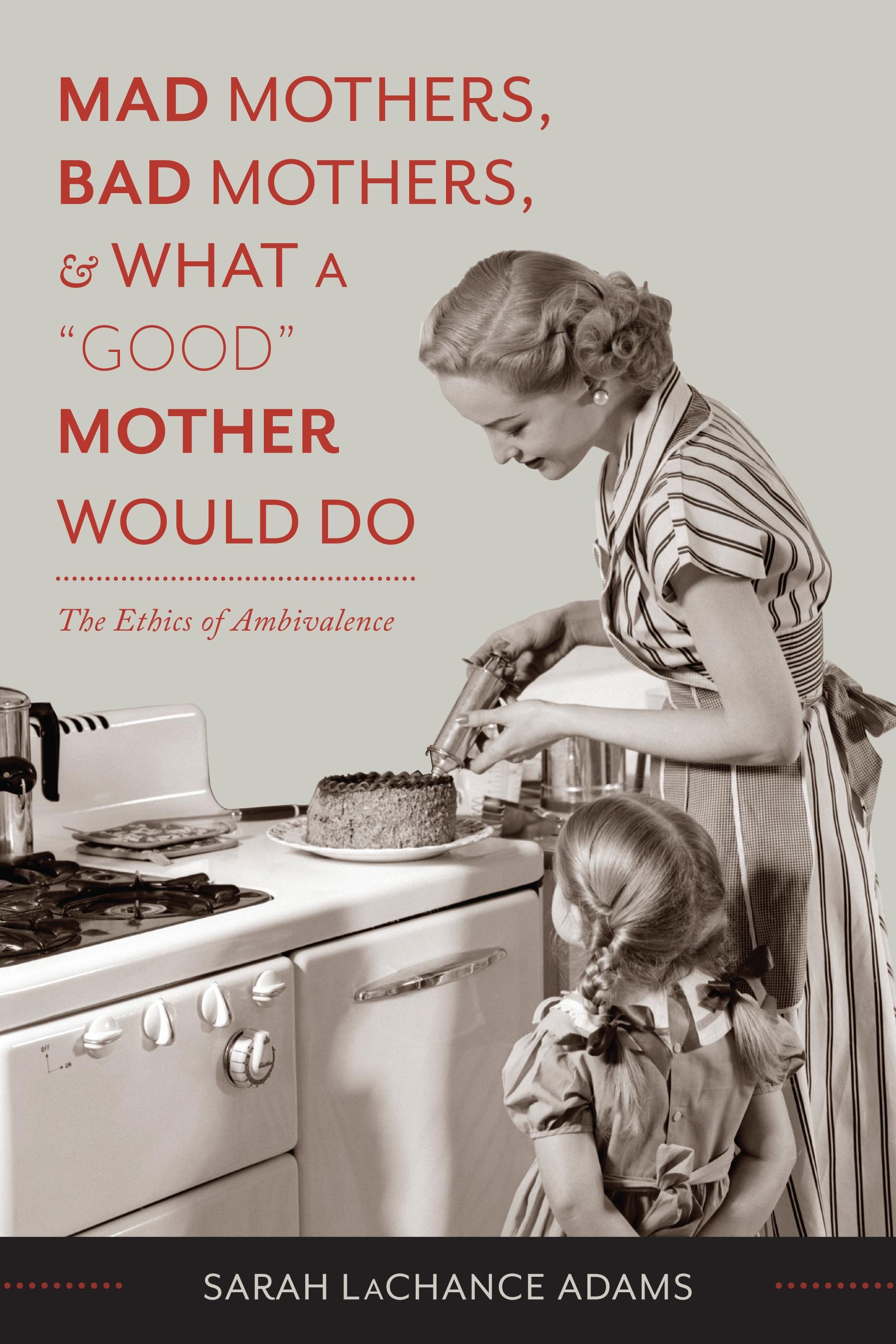
When a mother kills her child, we call her a bad mother, but, as this book shows, even mothers who intend to do their children harm are not easily categorized as "mad" or "bad." Maternal love is a complex emotion rich with contradictory impulses and desires, and motherhood is a conflicted state in which women constantly renegotiate the needs mother and child, the self and the other.
Applying care ethics philosophy and the work of Emmanuel Levinas, Maurice Merleau-Ponty, and Simone de Beauvoir to real-world experiences of motherhood, Sarah LaChance Adams throws the inherent tensions of motherhood into sharp relief, drawing a more nuanced portrait of the mother and child relationship than previously conceived. The maternal example is particularly instructive for ethical theory, highlighting the dynamics of human interdependence while also affirming separate interests. LaChance Adams particularly focuses on maternal ambivalence and its morally productive role in reinforcing the divergence between oneself and others, helping to recognize the particularities of situation, and negotiating the difference between one's own needs and the desires of others. She ultimately argues maternal filicide is a social problem requiring a collective solution that ethical philosophy and philosophies of care can inform.
Płać wygodnie kartą, Klarną, Apple Pay lub Google Pay. Nie jesteś zadowolony? Zawsze masz 14-dniową gwarancję zwrotu pieniędzy. Więcej przeczytasz w naszych warunkach. Masz pytania? Napisz do nas na hello@memmo.org.
Memmo ułatwia naukę – gdziekolwiek jesteś na świecie. U nas znajdziesz podręczniki i sprytne narzędzia do nauki w jednym miejscu: streszczenia, quizy, podcasty i fiszki. A do tego Ted, Twój kumpel do nauki, który odpowie na wszystko, co Cię nurtuje. Ponad 50 000 studentów już tu się uczy – stworzone, byś uczył się szybciej i mniej stresował.