
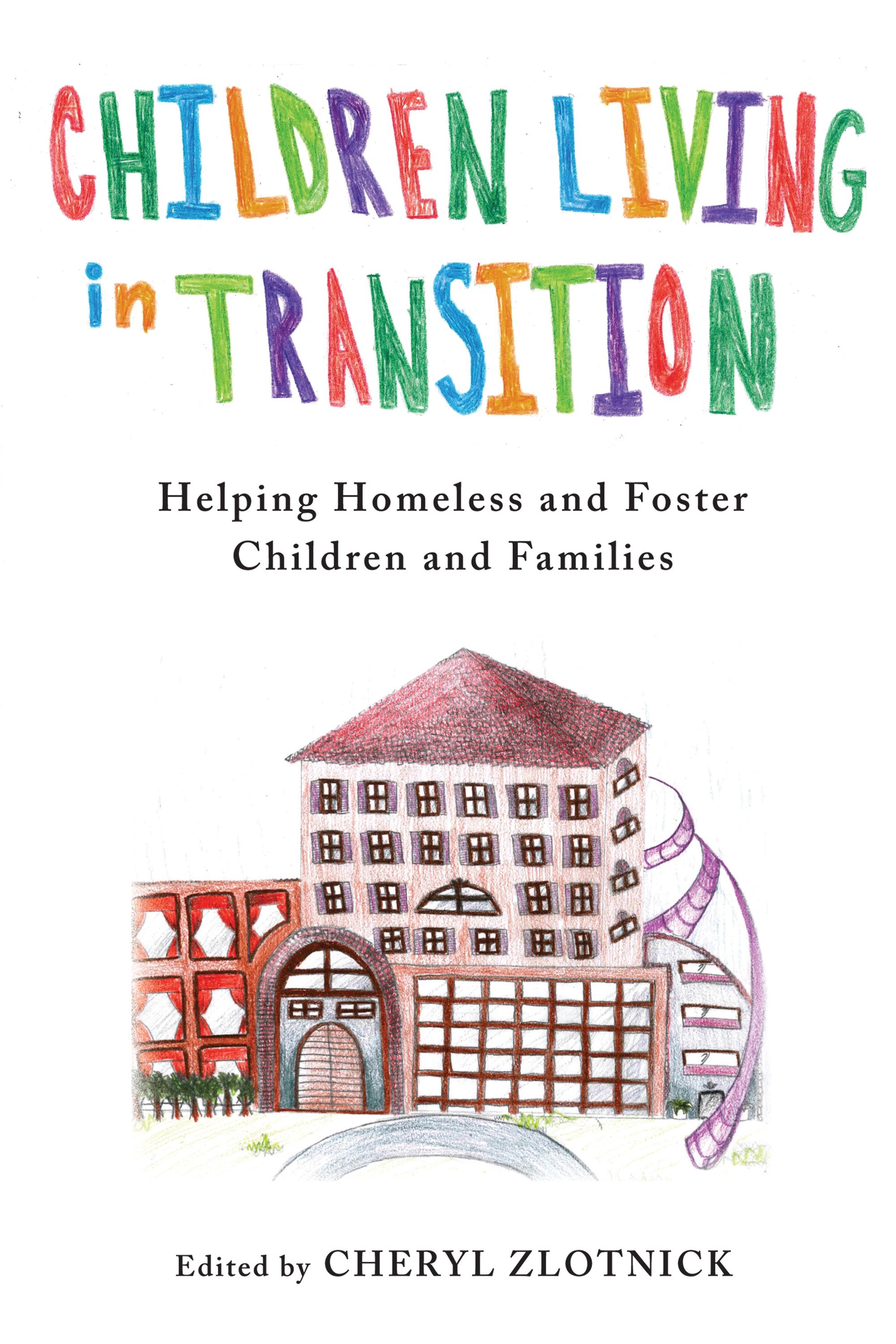
Sharing the daily struggles of children and families residing in transitional situations (homelessness or because of risk of homelessness, being connected with the child welfare system, or being new immigrants in temporary housing), this text recommends strategies for delivering mental health and intensive case-management services that maintain family integrity and stability. Based on work undertaken at the Center for the Vulnerable Child in Oakland, California, which has provided mental health and intensive case management to children and families living in transition for more than two decades, this volume outlines culturally sensitive practices to engage families that feel disrespected by the assistance of helping professionals or betrayed by their forgotten promises. Chapters discuss the Center's staffers' attempt to trace the influence of power, privilege, and beliefs on their education and their approach to treatment. Many U.S. children living in impoverished transitional situations are of color and come from generations of poverty, and the professionals they encounter are white, middle-class, and college-educated. The Center's work to identify the influences or obstacles interfering with services for this target population is therefore critical to formulating more effective treatment, interaction, and care.
Płać wygodnie kartą, Klarną, Apple Pay lub Google Pay. Nie jesteś zadowolony? Zawsze masz 14-dniową gwarancję zwrotu pieniędzy. Więcej przeczytasz w naszych warunkach. Masz pytania? Napisz do nas na hello@memmo.org.
Memmo ułatwia naukę – gdziekolwiek jesteś na świecie. U nas znajdziesz podręczniki i sprytne narzędzia do nauki w jednym miejscu: streszczenia, quizy, podcasty i fiszki. A do tego Ted, Twój kumpel do nauki, który odpowie na wszystko, co Cię nurtuje. Ponad 50 000 studentów już tu się uczy – stworzone, byś uczył się szybciej i mniej stresował.
Może Ci się spodobać
Kup książkę0