
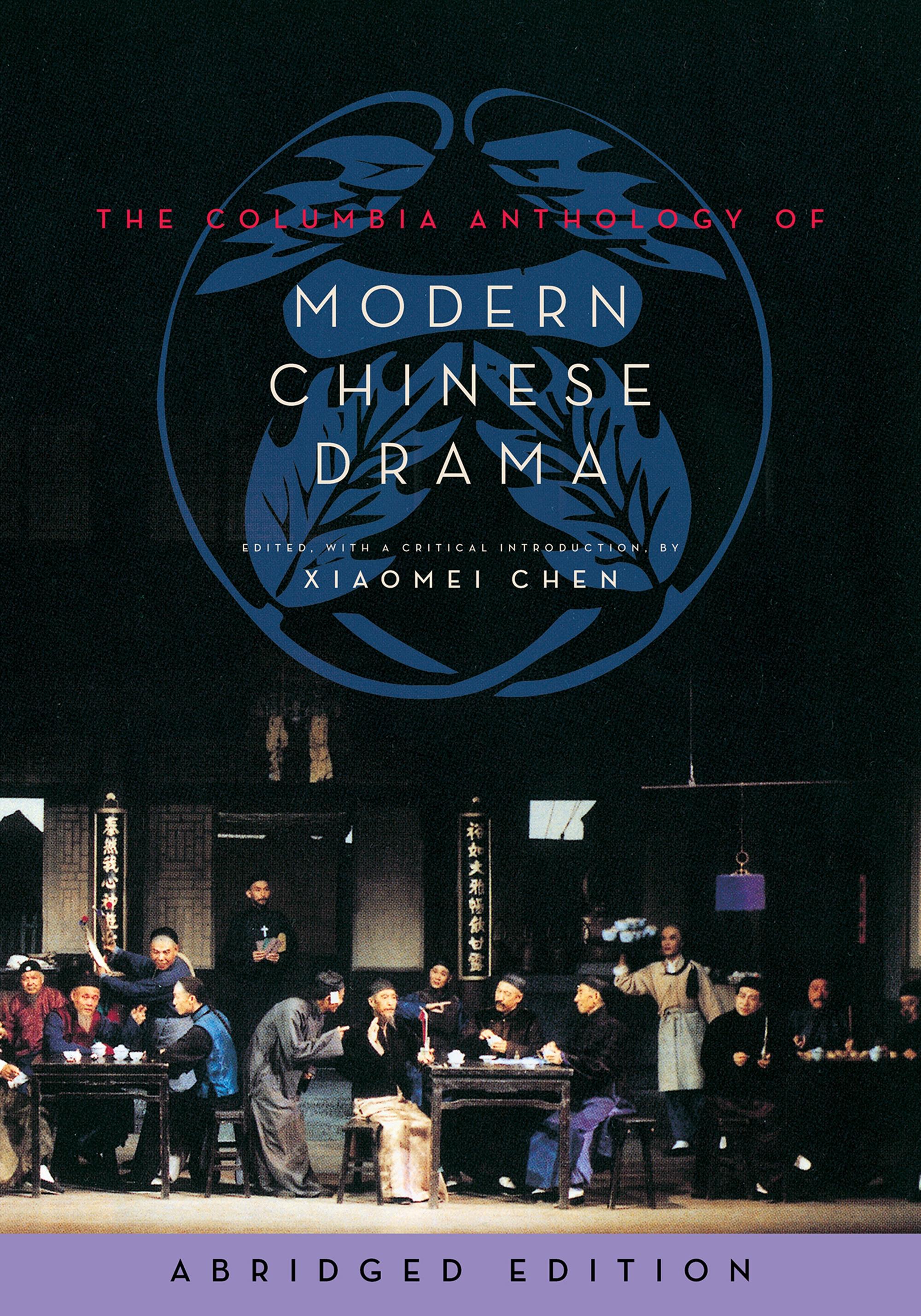
This condensed anthology reproduces close to a dozen plays from Xiaomei Chen's well-received original collection, The Columbia Anthology of Modern Chinese Drama, along with her critical introduction to the historical, cultural, and aesthetic evolution of twentieth-century Chinese spoken drama. Comprising representative works from the Republican era to postsocialist China, the book encapsulates the revolutionary rethinking of Chinese theater and performance that began in the late Qing dynasty and vividly portrays the uncertainty and anxiety brought on by modernism, socialism, political conflict, and war.
Chosen works from 1919 to 1990 also highlight the formation of national and gender identities during a period of tremendous social, cultural, and political change in China and the genesis of contemporary attitudes toward the West. PRC theater tracks the rise of communism, juxtaposing ideals of Chinese socialism against the sacrifices made for a new society. Post-Mao drama addresses the nation's socialist legacy, its attempt to reexamine its cultural roots, and postsocialist reflections on critical issues such as nation, class, gender, and collective memories. An essential, portable guide for easy reference and classroom use, this abridgment provides a concise yet well-rounded survey of China's theatricality and representation of political life. The original work not only established a canon of modern Chinese drama in the West but also made it available for the first time in English in a single volume.
Płać wygodnie kartą, Klarną, Apple Pay lub Google Pay. Nie jesteś zadowolony? Zawsze masz 14-dniową gwarancję zwrotu pieniędzy. Więcej przeczytasz w naszych warunkach. Masz pytania? Napisz do nas na hello@memmo.org.
Memmo ułatwia naukę – gdziekolwiek jesteś na świecie. U nas znajdziesz podręczniki i sprytne narzędzia do nauki w jednym miejscu: streszczenia, quizy, podcasty i fiszki. A do tego Ted, Twój kumpel do nauki, który odpowie na wszystko, co Cię nurtuje. Ponad 50 000 studentów już tu się uczy – stworzone, byś uczył się szybciej i mniej stresował.