
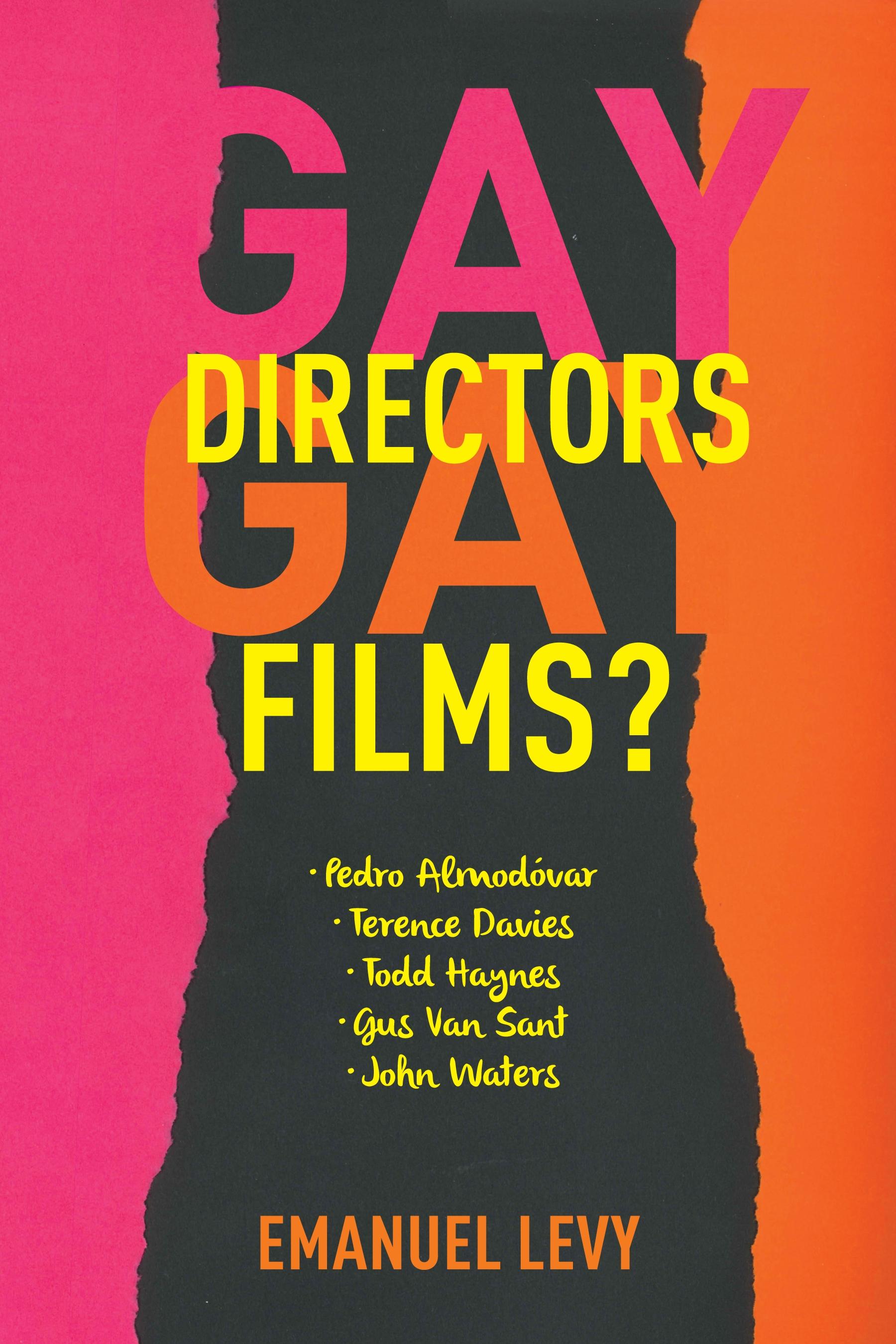
Through intimate encounters with the life and work of five contemporary gay male directors, this book develops a framework for interpreting what it means to make a gay film or adopt a gay point of view. For most of the twentieth century, gay characters and gay themes were both underrepresented and misrepresented in mainstream cinema. Since the 1970s, however, a new generation of openly gay directors has turned the closet inside out, bringing a poignant immediacy to modern cinema and popular culture.
Combining his experienced critique with in-depth interviews, Emanuel Levy draws a clear timeline of gay filmmaking over the past four decades and its particular influences and innovations. While recognizing the "queering" of American culture that resulted from these films, Levy also takes stock of the ensuing conservative backlash and its impact on cinematic art, a trend that continues alongside a growing acceptance of homosexuality. He compares the similarities and differences between the "North American" attitudes of Todd Haynes, Gus Van Sant, and John Waters and the "European" perspectives of Pedro Almodóvar and Terence Davies, developing a truly expansive approach to gay filmmaking and auteur cinema.
Płać wygodnie kartą, Klarną, Apple Pay lub Google Pay. Nie jesteś zadowolony? Zawsze masz 14-dniową gwarancję zwrotu pieniędzy. Więcej przeczytasz w naszych warunkach. Masz pytania? Napisz do nas na hello@memmo.org.
Memmo ułatwia naukę – gdziekolwiek jesteś na świecie. U nas znajdziesz podręczniki i sprytne narzędzia do nauki w jednym miejscu: streszczenia, quizy, podcasty i fiszki. A do tego Ted, Twój kumpel do nauki, który odpowie na wszystko, co Cię nurtuje. Ponad 50 000 studentów już tu się uczy – stworzone, byś uczył się szybciej i mniej stresował.