
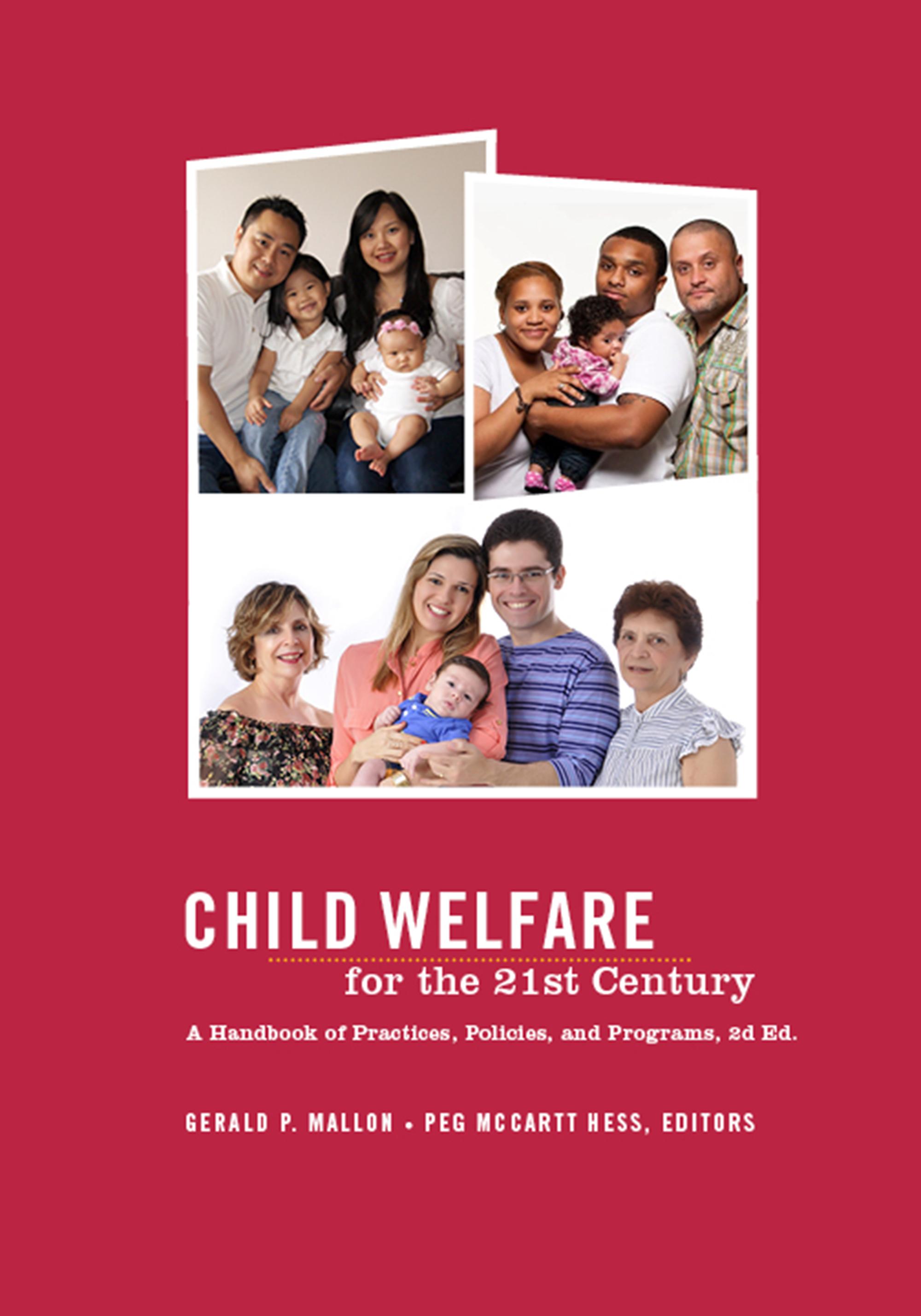
The Adoption and Safe Families Act (ASFA), which became law in 1997, elicited a major shift in federal policy and thinking toward child welfare, emphasizing children's safety, permanency, and well-being over preserving biological ties at all costs. The first edition of this volume mapped the field of child welfare after ASFA's passage, detailing the practices, policies, programs, and research affected by the legislation's new attitude toward care. This second edition highlights the continuously changing child welfare climate in the U.S., including content on the Fostering Connections Act of 2008.
The authors have updated the text throughout, drawing from real-world case examples and data obtained from the national Child and Family Services Reviews and emerging empirically based practices. They have also added chapters addressing child welfare workforce issues, supervision, and research and evaluation. The volume is divided into four sections—child and adolescent well-being, child and adolescent safety, permanency for children and adolescents, and systemic issues within services, policies, and programs. Recognized scholars, practitioners, and policy makers discuss meaningful engagement with families, particularly Latino families; health care for children and youth, including mental health care; effective practices with LGBT youth and their families; placement stability; foster parent recruitment and retention; and the challenges of working with immigrant children, youth, and families.
Płać wygodnie kartą, Klarną, Apple Pay lub Google Pay. Nie jesteś zadowolony? Zawsze masz 14-dniową gwarancję zwrotu pieniędzy. Więcej przeczytasz w naszych warunkach. Masz pytania? Napisz do nas na hello@memmo.org.
Memmo ułatwia naukę – gdziekolwiek jesteś na świecie. U nas znajdziesz podręczniki i sprytne narzędzia do nauki w jednym miejscu: streszczenia, quizy, podcasty i fiszki. A do tego Ted, Twój kumpel do nauki, który odpowie na wszystko, co Cię nurtuje. Ponad 50 000 studentów już tu się uczy – stworzone, byś uczył się szybciej i mniej stresował.