
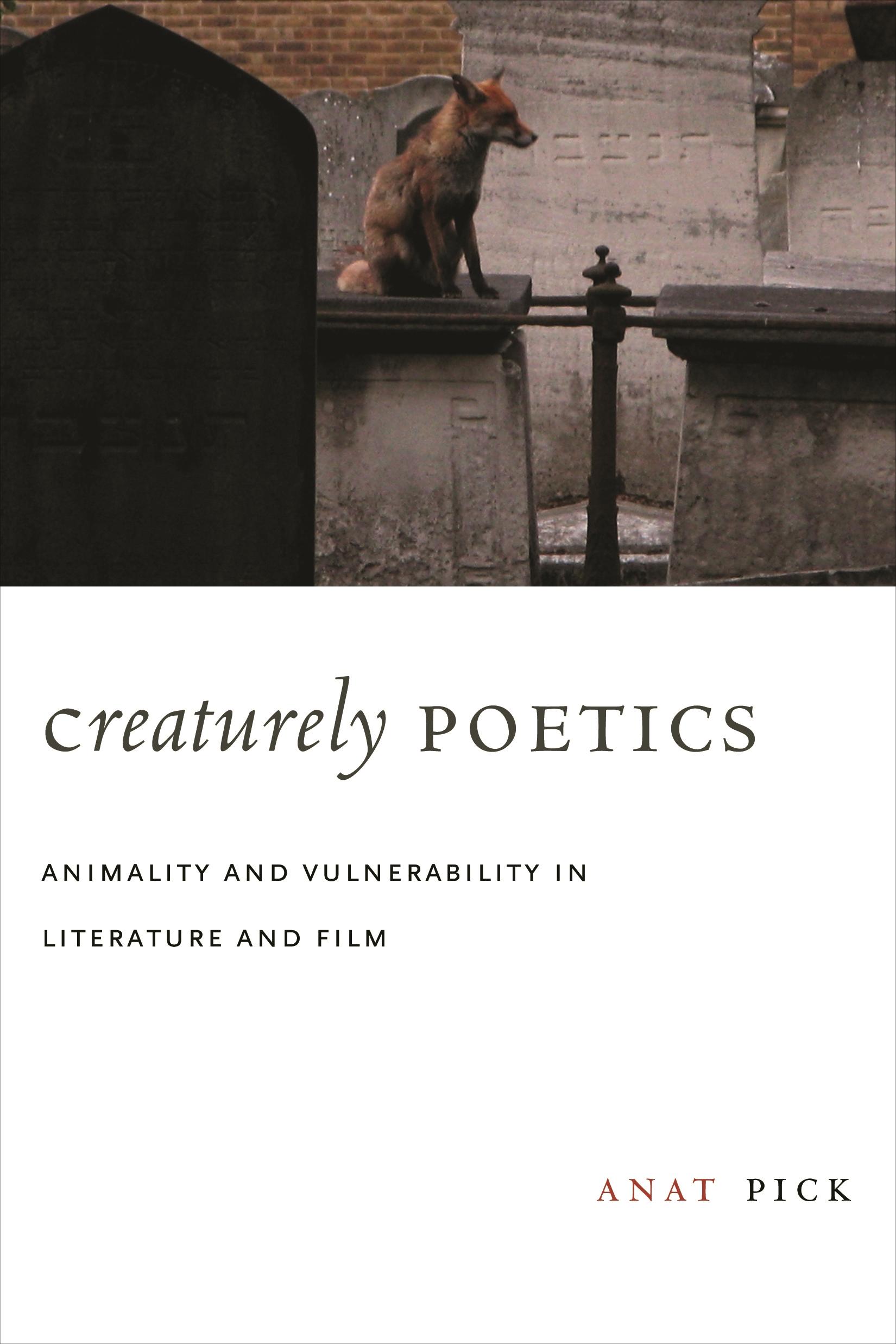
Simone Weil once wrote that "the vulnerability of precious things is beautiful because vulnerability is a mark of existence," establishing a relationship between vulnerability, beauty, and existence transcending the separation of species. Her conception of a radical ethics and aesthetics could be characterized as a new poetics of species, forcing a rethinking of the body's significance, both human and animal. Exploring the "logic of flesh" and the use of the body to mark species identity, Anat Pick reimagines a poetics that begins with the vulnerability of bodies, not the omnipotence of thought. Pick proposes a "creaturely" approach based on the shared embodiedness of humans and animals and a postsecular perspective on human-animal relations. She turns to literature, film, and other cultural texts, challenging the familiar inventory of the human: consciousness, language, morality, and dignity. Reintroducing Weil's elaboration of such themes as witnessing, commemoration, and collective memory, Pick identifies the animal within all humans, emphasizing the corporeal and its issues of power and freedom. In her poetics of the creaturely, powerlessness is the point at which aesthetic and ethical thinking must begin.
Płać wygodnie kartą, Klarną, Apple Pay lub Google Pay. Nie jesteś zadowolony? Zawsze masz 14-dniową gwarancję zwrotu pieniędzy. Więcej przeczytasz w naszych warunkach. Masz pytania? Napisz do nas na hello@memmo.org.
Memmo ułatwia naukę – gdziekolwiek jesteś na świecie. U nas znajdziesz podręczniki i sprytne narzędzia do nauki w jednym miejscu: streszczenia, quizy, podcasty i fiszki. A do tego Ted, Twój kumpel do nauki, który odpowie na wszystko, co Cię nurtuje. Ponad 50 000 studentów już tu się uczy – stworzone, byś uczył się szybciej i mniej stresował.
Może Ci się spodobać
Kup książkę0