
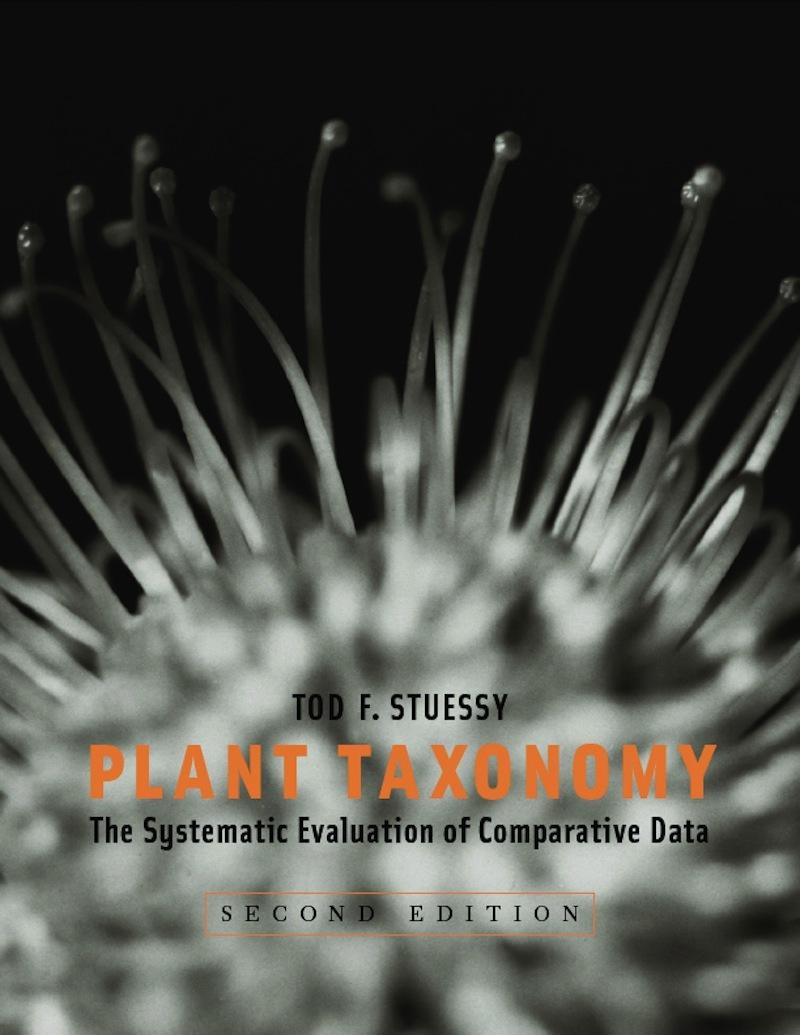
The field of plant taxonomy has transformed rapidly over the past fifteen years, especially with regard to improvements in cladistic analysis and the use of new molecular data. The second edition of this popular resource reflects these far-reaching and dramatic developments with more than 3,000 new references and many new figures. Synthesizing current research and trends, Plant Taxonomy now provides the most up-to-date overview in relation to monographic, biodiversity, and evolutionary studies, and continues to be an essential resource for students and scholars.
This text is divided into two parts: Part 1 explains the principles of taxonomy, including the importance of systematics, characters, concepts of categories, and different approaches to biological classification. Part 2 outlines the different types of data used in plant taxonomic studies with suggestions on their efficacy and modes of presentation and evaluation. This section also lists the equipment and financial resources required for gathering each type of data. References throughout the book illuminate the historical development of taxonomic terminology and philosophy while citations offer further study. Plant Taxonomy is also a personal story of what it means to be a practicing taxonomist and to view these activities within a meaningful conceptual framework. Tod F. Stuessy recalls the progression of his own work and shares his belief that the most creative taxonomy is done by those who have a strong conceptual grasp of their own research.
Płać wygodnie kartą, Klarną, Apple Pay lub Google Pay. Nie jesteś zadowolony? Zawsze masz 14-dniową gwarancję zwrotu pieniędzy. Więcej przeczytasz w naszych warunkach. Masz pytania? Napisz do nas na hello@memmo.org.
Memmo ułatwia naukę – gdziekolwiek jesteś na świecie. U nas znajdziesz podręczniki i sprytne narzędzia do nauki w jednym miejscu: streszczenia, quizy, podcasty i fiszki. A do tego Ted, Twój kumpel do nauki, który odpowie na wszystko, co Cię nurtuje. Ponad 50 000 studentów już tu się uczy – stworzone, byś uczył się szybciej i mniej stresował.