
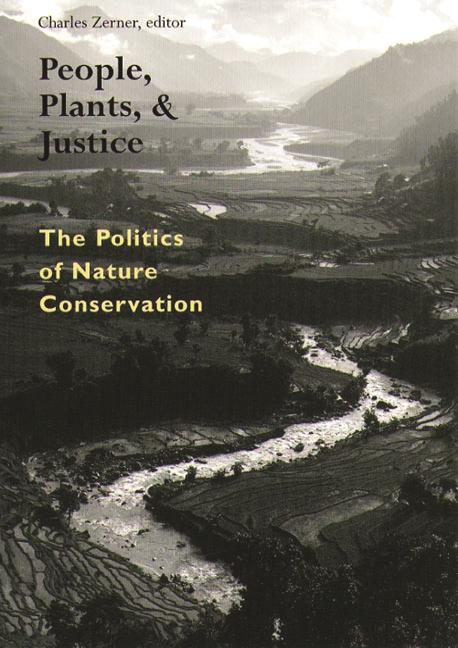
In an era of market triumphalism, this book probes the social and environmental consequences of market-linked nature conservation schemes. Rather than supporting a new anti-market orthodoxy, Charles Zerner and colleagues assert that there is no universal entity, "the market." Analysis and remedies must be based on broader considerations of history, culture, and geography in order to establish meaningful and lasting changes in policy and practice.
Original case studies from Asia, Latin America, Africa, and the South Pacific focus on topics as diverse as ecotourism, bioprospecting, oil extraction, cyanide fishing, timber extraction, and property rights. The cases position concerns about biodiversity conservation and resource management within social justice and legal perspectives, providing new insights for students, scholars, policy professionals and donor/foundations engaged in international conservation and social justice.
Płać wygodnie kartą, Klarną, Apple Pay lub Google Pay. Nie jesteś zadowolony? Zawsze masz 14-dniową gwarancję zwrotu pieniędzy. Więcej przeczytasz w naszych warunkach. Masz pytania? Napisz do nas na hello@memmo.org.
Memmo ułatwia naukę – gdziekolwiek jesteś na świecie. U nas znajdziesz podręczniki i sprytne narzędzia do nauki w jednym miejscu: streszczenia, quizy, podcasty i fiszki. A do tego Ted, Twój kumpel do nauki, który odpowie na wszystko, co Cię nurtuje. Ponad 50 000 studentów już tu się uczy – stworzone, byś uczył się szybciej i mniej stresował.