
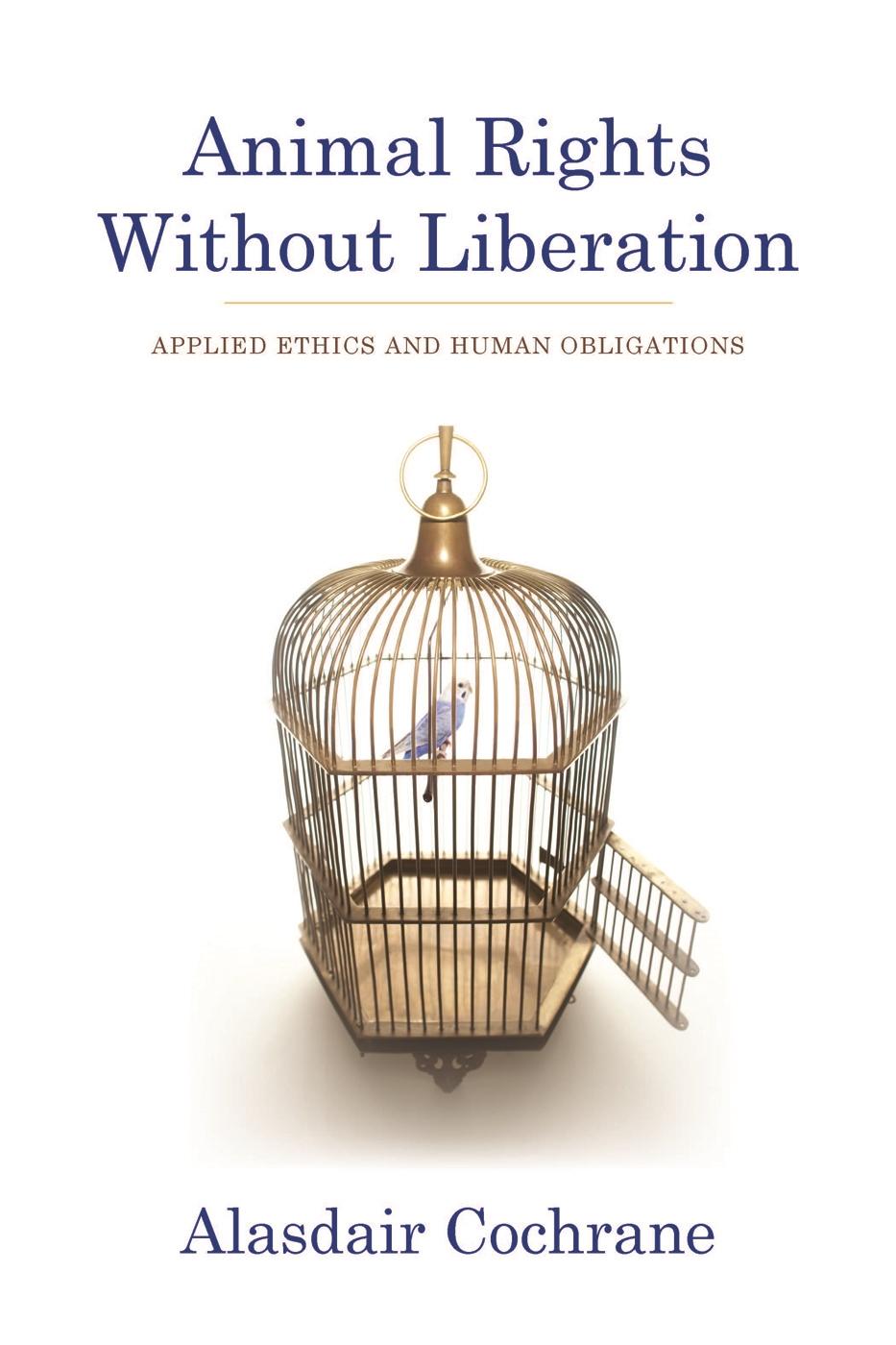
Alasdair Cochrane introduces an entirely new theory of animal rights grounded in their interests as sentient beings. He then applies this theory to different and underexplored policy areas, such as genetic engineering, pet-keeping, indigenous hunting, and religious slaughter. In contrast to other proponents of animal rights, Cochrane claims that because most sentient animals are not autonomous agents, they have no intrinsic interest in liberty. As such, he argues that our obligations to animals lie in ending practices that cause their suffering and death and do not require the liberation of animals.
Cochrane's "interest-based rights approach" weighs the interests of animals to determine which is sufficient to impose strict duties on humans. In so doing, Cochrane acknowledges that sentient animals have a clear and discernable right not to be made to suffer and not to be killed, but he argues that they do not have a prima facie right to liberty. Because most animals possess no interest in leading freely chosen lives, humans have no moral obligation to liberate them. Moving beyond theory to the practical aspects of applied ethics, this pragmatic volume provides much-needed perspective on the realities and responsibilities of the human-animal relationship.
Płać wygodnie kartą, Klarną, Apple Pay lub Google Pay. Nie jesteś zadowolony? Zawsze masz 14-dniową gwarancję zwrotu pieniędzy. Więcej przeczytasz w naszych warunkach. Masz pytania? Napisz do nas na hello@memmo.org.
Memmo ułatwia naukę – gdziekolwiek jesteś na świecie. U nas znajdziesz podręczniki i sprytne narzędzia do nauki w jednym miejscu: streszczenia, quizy, podcasty i fiszki. A do tego Ted, Twój kumpel do nauki, który odpowie na wszystko, co Cię nurtuje. Ponad 50 000 studentów już tu się uczy – stworzone, byś uczył się szybciej i mniej stresował.