
Voordat ik Memmo gebruikte, stonden mijn aantekeningen verspreid over allerlei PDF's. Nu brengt een werkruimte alles samen — ik zie precies wat ik nog moet studeren.
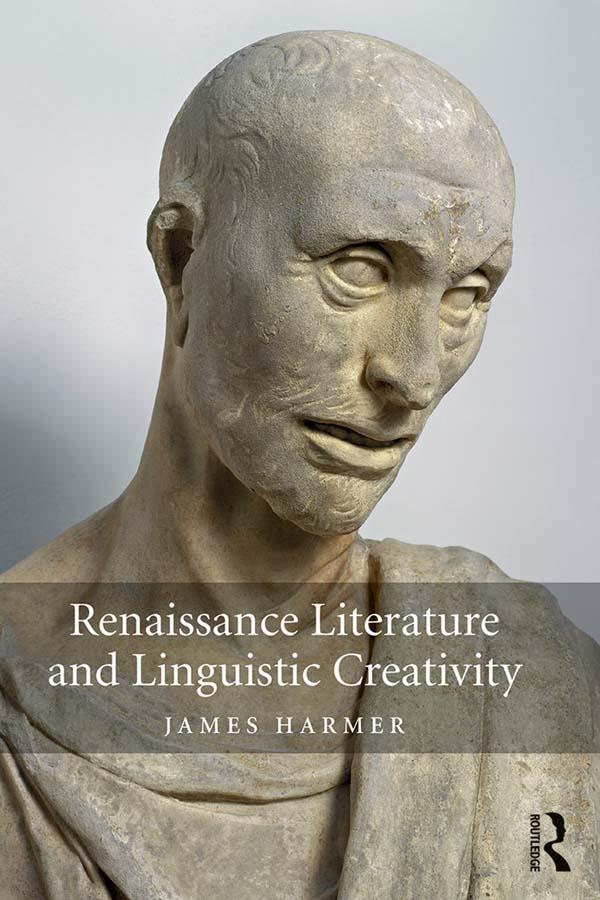
Renaissance Literature and Linguistic Creativity interrogates notions of linguistic creativity as presented in English literary texts of the late sixteenth century. It considers the reflections of Renaissance English writers upon the problem of how linguistic meaning is created in their work. The book achieves this consideration by placing its Renaissance authors in the context of the dominant conceptualisation of the thought-language relationship in the Western tradition: namely, that of 'introspection'. In taking this route, author James Harmer undertakes to provide a comprehensive overview of the notion of 'introspection' from classical times to the Renaissance, and demonstrates how complex and even strange this notion is often seen to be by thinkers and writers. Harmer also shows how poetry and literary discourse in general stands at the centre of the conceptual consideration of what linguistic thinking is. He then argues, through a range of close readings of Renaissance texts, that writers of the Shakespearean period increase the fragility of the notion of 'introspection' in such a way as to make the prospect of any systematic theory of meaning seem extremely remote. Embracing and exploring the possibility that thinking about meaning can only occur in the context of extreme cognitive and psychological limitation, these texts emerge as proponents of a human mind which is remarkably free in its linguistic nature; an irresistible mode of life unto itself. The final argumentative stratum of the book explores the implications of this approach for understanding the relationship between literary criticism, philosophy, and other kinds of critical activity. Texts discussed at length include Edmund Spenser's The Faerie Queene and shorter poetry, George Chapman's Ovids Banquet of Sence, Shakespeare's Titus Andronicus and Hamlet, and John Donne's Elegies.
Voordat ik Memmo gebruikte, stonden mijn aantekeningen verspreid over allerlei PDF's. Nu brengt een werkruimte alles samen — ik zie precies wat ik nog moet studeren.
De samenvattingen van Memmo zijn goud waard voor tentamens. Ik hoef geen 800 pagina's opnieuw te lezen twee weken van tevoren — alleen de belangrijke delen.
De AI-chat heeft me meer dan eens gered de avond voor een examen. Ik blijf gewoon vragen tot ik het snap — zonder te hoeven wachten op antwoord van een studiegroep.
De quizzen behandelen precies wat ik moet weten. Memmo houdt bij waar ik moeite mee heb — zo oefen ik alleen wat echt de moeite waard is.
Flashcards met gespreide herhaling zijn magisch. Memmo weet wanneer ik iets dreig te vergeten en laat het dan opnieuw zien.
De AI-podcasts zijn mijn favoriet. Ik luister onderweg naar school en krijg een samenvatting zonder achter de computer te zitten.

Handbok i kvalitativa metoder
281 kr

Hållbar utveckling: en introduktion för ingenjörer och andra problemlösare
334 kr

Brymans Samhällsvetenskapliga metoder
390 kr

Projektledning
491 kr

Den orättvisa hälsan: om socioekonomiska skillnader i hälsa och livslängd
326 kr

Organizational Leadership
429 kr

Vetenskapsteori för nybörjare
196 kr

På väg mot läraryrket
172 kr

Det sociala livet i skolan: Socialpsykologiska perspektiv
253 kr

Betygsättningens didaktik
151 kr

Personality
402 kr

Studying Leadership
404 kr

Managing Innovation
477 kr

Introduktion till samhällsvetenskaplig metod
347 kr

The Psychology of Sex and Gender
698 kr

Evidens och kunskap för socialt arbete
207 kr

Introduction to Leadership
605 kr