
Voordat ik Memmo gebruikte, stonden mijn aantekeningen verspreid over allerlei PDF's. Nu brengt een werkruimte alles samen — ik zie precies wat ik nog moet studeren.
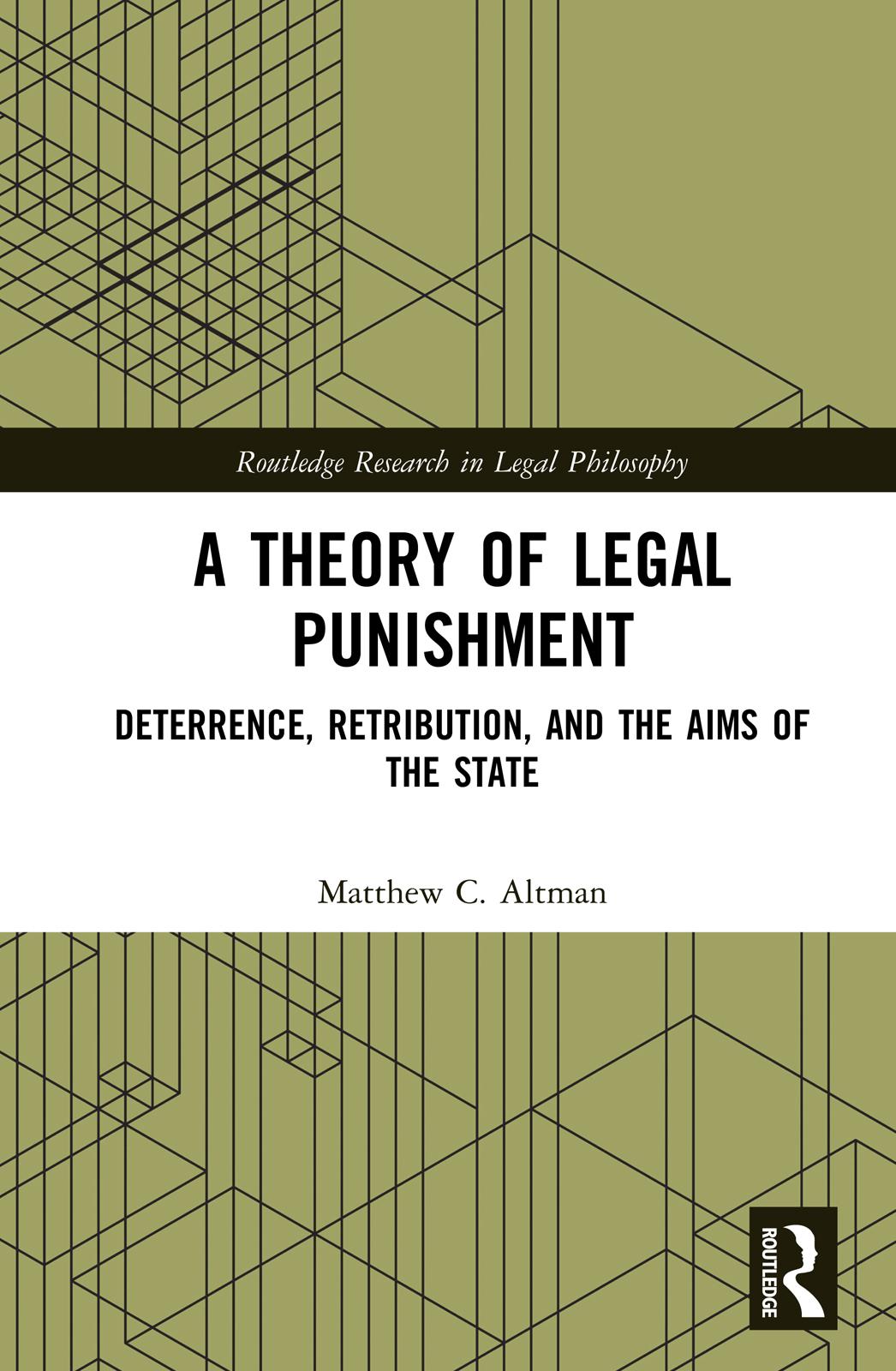
This book argues for a mixed theory of legal punishment that treats both crime reduction and retribution as important aims of the state.
A central question in the philosophy of law is why the state’s punishment of its own citizens is justified. Traditionally, two theories of punishment have dominated the field: consequentialism and retributivism. According to consequentialism, punishment is justified when it maximizes positive outcomes. According to retributivism, criminals should be punished because they deserve it. This book recognizes the strength of both positions. According to the two-tiered model, the institution of punishment and statutory penalties, as set by the legislature, are justified based on their costs and benefits, in terms of deterrence and rehabilitation. The law exists to preserve the public order. Criminal courts, by contrast, determine who is punished and how much based on what offenders deserve. The courts express the community’s collective sense of resentment at being wronged.
This book supports the two-tiered model by showing that it accords with our moral intuitions, commonly held (compatibilist) theories of freedom, and assumptions about how the extent of our knowledge affects our obligations. It engages classic and contemporary work in the philosophy of law and explains the theory’s advantages over competing approaches from retributivists and other mixed theorists. The book also defends consequentialism against a longstanding objection that the social sciences give us little guidance regarding which policies to adopt. Drawing on recent criminological research, the two-tiered model can help us to address some of our most pressing social issues, including the death penalty, drug policy, and mass incarceration. This book will be of interest to philosophers, legal scholars, policymakers, and social scientists, especially criminologists, economists, and political scientists.
Voordat ik Memmo gebruikte, stonden mijn aantekeningen verspreid over allerlei PDF's. Nu brengt een werkruimte alles samen — ik zie precies wat ik nog moet studeren.
De samenvattingen van Memmo zijn goud waard voor tentamens. Ik hoef geen 800 pagina's opnieuw te lezen twee weken van tevoren — alleen de belangrijke delen.
De AI-chat heeft me meer dan eens gered de avond voor een examen. Ik blijf gewoon vragen tot ik het snap — zonder te hoeven wachten op antwoord van een studiegroep.
De quizzen behandelen precies wat ik moet weten. Memmo houdt bij waar ik moeite mee heb — zo oefen ik alleen wat echt de moeite waard is.
Flashcards met gespreide herhaling zijn magisch. Memmo weet wanneer ik iets dreig te vergeten en laat het dan opnieuw zien.
De AI-podcasts zijn mijn favoriet. Ik luister onderweg naar school en krijg een samenvatting zonder achter de computer te zitten.

Handbok i kvalitativa metoder
281 kr

Hållbar utveckling: en introduktion för ingenjörer och andra problemlösare
334 kr

Brymans Samhällsvetenskapliga metoder
390 kr

Projektledning
491 kr

Den orättvisa hälsan: om socioekonomiska skillnader i hälsa och livslängd
326 kr

Organizational Leadership
429 kr

Vetenskapsteori för nybörjare
196 kr

På väg mot läraryrket
172 kr

Det sociala livet i skolan: Socialpsykologiska perspektiv
253 kr

Betygsättningens didaktik
151 kr

Personality
402 kr

Studying Leadership
404 kr

Managing Innovation
477 kr

Introduktion till samhällsvetenskaplig metod
347 kr

The Psychology of Sex and Gender
698 kr

Evidens och kunskap för socialt arbete
207 kr

Introduction to Leadership
605 kr