
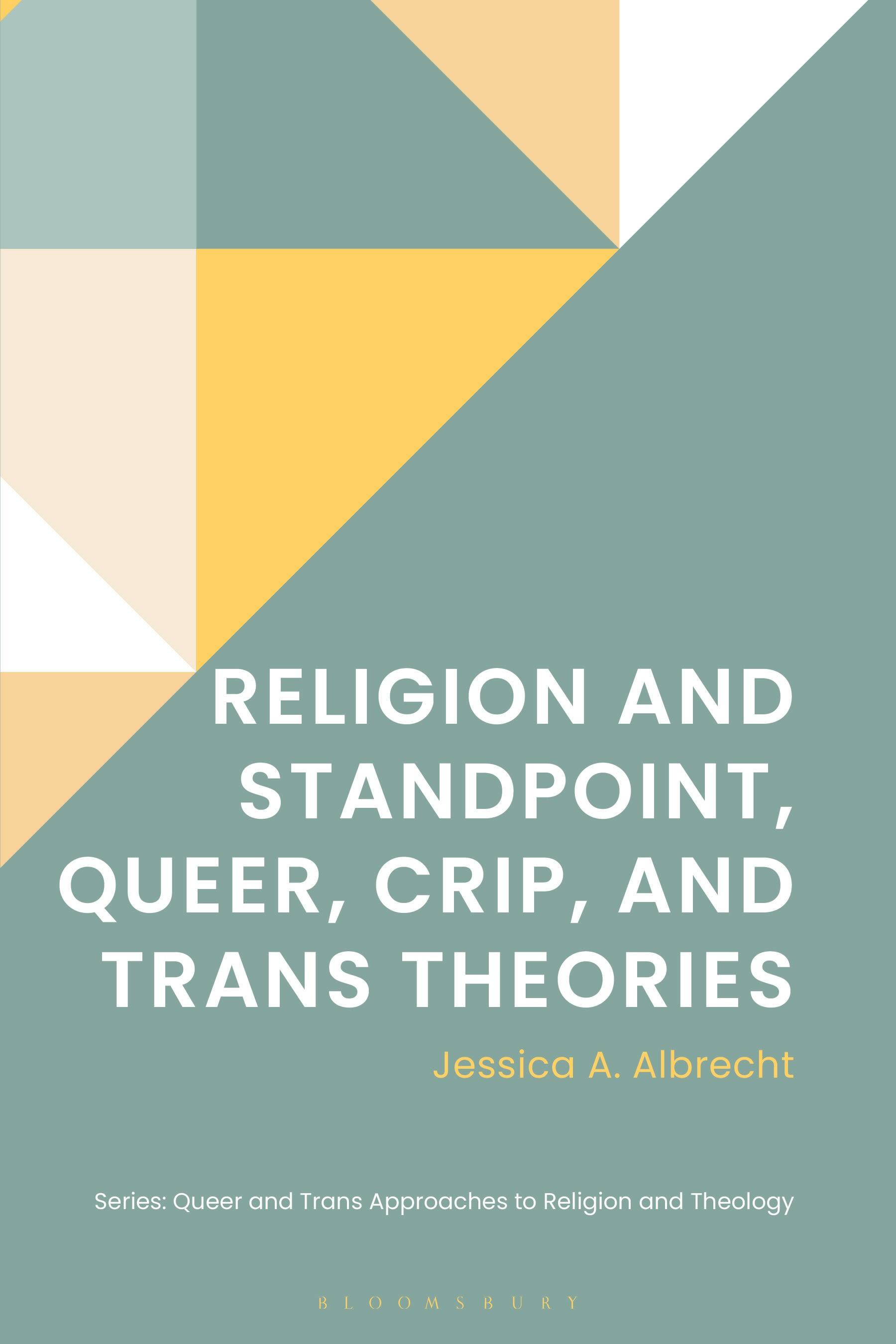
Bringing together material religion and discourse theory, this cross-disciplinary book argues that theories of embodiment and religion co-produce one another.
Responding to the scholarly turn towards embodiment and phenomenology beginning in queer studies and branching out into the humanities more broadly, Jessica A. Albrecht brings religion to the table. This book contends that, if the turn to materiality emphasizes what religion does in bodies and spaces, or how bodies make religion, it is equally important to ask whose bodies are made legible, and under what conditions they come to matter. By shining a light on this reciprocal relationship between religion and embodiment, Albrecht reveals the processes through which meanings, “bodies,” and “religion” itself are made. Across seven chapters spanning intersectionality, queer and cuír theory, and crip studies, this book traces counter-genealogies which reveal how bodies become unintelligible within the regimes of religion, race, gender, and ability. Albrecht offers tools for examining how religious experiences are shaped by queerness, disability, and power, providing a fresh and inclusive perspective on how bodies and practices are central constituents of conceptions of religion. The resulting framework for religious studies pushes beyond normative views or religious-secular divisions, prompting readers to critically re-consider both “religion” and the “body.”
Responding to the scholarly turn towards embodiment and phenomenology beginning in queer studies and branching out into the humanities more broadly, Jessica A. Albrecht brings religion to the table. This book contends that, if the turn to materiality emphasizes what religion does in bodies and spaces, or how bodies make religion, it is equally important to ask whose bodies are made legible, and under what conditions they come to matter. By shining a light on this reciprocal relationship between religion and embodiment, Albrecht reveals the processes through which meanings, “bodies,” and “religion” itself are made. Across seven chapters spanning intersectionality, queer and cuír theory, and crip studies, this book traces counter-genealogies which reveal how bodies become unintelligible within the regimes of religion, race, gender, and ability. Albrecht offers tools for examining how religious experiences are shaped by queerness, disability, and power, providing a fresh and inclusive perspective on how bodies and practices are central constituents of conceptions of religion. The resulting framework for religious studies pushes beyond normative views or religious-secular divisions, prompting readers to critically re-consider both “religion” and the “body.”
Pagine: 152
Categoria: Kultur-, Genus- & Postkoloniala studier
e-ISBN: 9798765159347
Peso di spedizione: 1.2 kg
Spedito in: 1-2 giorni
Paga facilmente con carta, Klarna, Apple Pay o Google Pay. Non sei soddisfatto? Hai sempre 14 giorni per il rimborso. Leggi di più nei nostri termini. Per qualsiasi domanda, scrivici a hello@memmo.org.
Memmo rende lo studio più facile, ovunque tu sia nel mondo. Qui trovi i tuoi libri di testo e strumenti di studio intelligenti, tutto in un unico posto: riassunti, quiz, podcast e flashcard. E poi c'è Ted, il tuo compagno di studio che risponde a ogni tua domanda. Oltre 50.000 studenti studiano già qui: è stato creato per aiutarti a imparare più velocemente e a stressarti meno.