
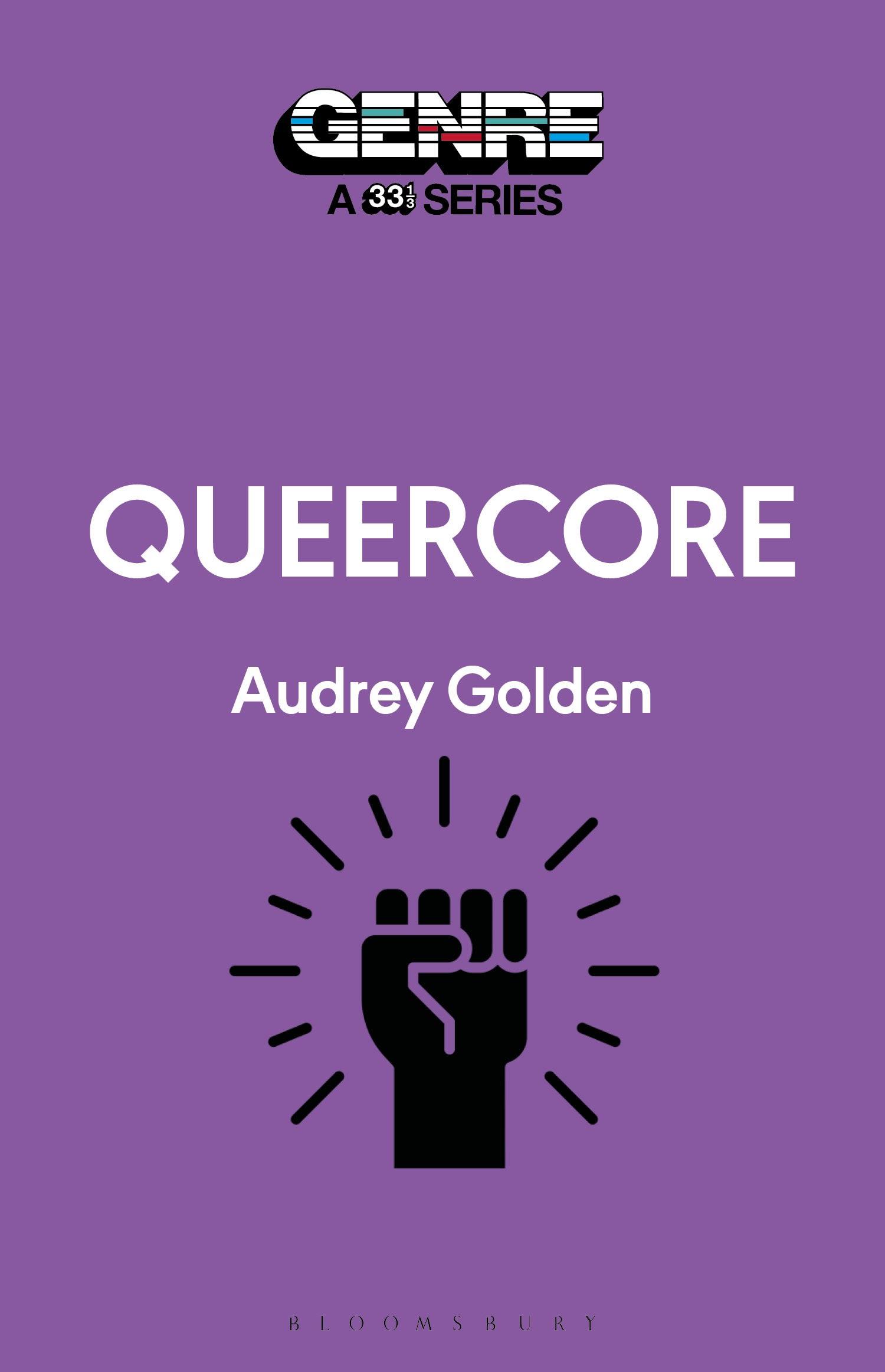
Transatlantic knowledge of the queer underground punk scene that ultimately became queercore developed through the spirit of DIY resistance that guided earlier feminist artists as queer musicians pushed back against the homophobia and sexism that remained pervasive in hardcore punk.
Queercore officially got its name in the mid-1980s when G.B. Jones and Bruce LaBruce named it in their revolutionary zine J.D.s, but the movement began years earlier with bands like Wayne County and the Electric Chairs, Nervous Gender, and Fifth Column. The scene exploded into the next decade with the popularity of bands that often crossed over into the riot grrrl scene, including Tribe 8, Team Dresch, Sister George, and Huggy Bear. Their revolution took the form of zine and cassette creation, which they distributed far and wide. Those documents became like guidebooks for queer punks in small towns throughout North America, Europe, Australia, and Japan.
This book explores queercore as a genre that was never intended to be a genre, but instead an underground resistance movement centered around punk. It identifies the key players in the queercore lexicon, from musicians and filmmakers to record labels and zine-makers, and it documents their histories through original interviews and archival research. Ultimately, the book guides readers through the beginnings of queercore into the present, where the legacy of this unlikely genre looms loudly for LGBTQIA+ artists and all those marginalized by the mainstream.
Queercore officially got its name in the mid-1980s when G.B. Jones and Bruce LaBruce named it in their revolutionary zine J.D.s, but the movement began years earlier with bands like Wayne County and the Electric Chairs, Nervous Gender, and Fifth Column. The scene exploded into the next decade with the popularity of bands that often crossed over into the riot grrrl scene, including Tribe 8, Team Dresch, Sister George, and Huggy Bear. Their revolution took the form of zine and cassette creation, which they distributed far and wide. Those documents became like guidebooks for queer punks in small towns throughout North America, Europe, Australia, and Japan.
This book explores queercore as a genre that was never intended to be a genre, but instead an underground resistance movement centered around punk. It identifies the key players in the queercore lexicon, from musicians and filmmakers to record labels and zine-makers, and it documents their histories through original interviews and archival research. Ultimately, the book guides readers through the beginnings of queercore into the present, where the legacy of this unlikely genre looms loudly for LGBTQIA+ artists and all those marginalized by the mainstream.
Paga facilmente con carta, Klarna, Apple Pay o Google Pay. Non sei soddisfatto? Hai sempre 14 giorni per il rimborso. Leggi di più nei nostri termini. Per qualsiasi domanda, scrivici a hello@memmo.org.
Memmo rende lo studio più facile, ovunque tu sia nel mondo. Qui trovi i tuoi libri di testo e strumenti di studio intelligenti, tutto in un unico posto: riassunti, quiz, podcast e flashcard. E poi c'è Ted, il tuo compagno di studio che risponde a ogni tua domanda. Oltre 50.000 studenti studiano già qui: è stato creato per aiutarti a imparare più velocemente e a stressarti meno.