
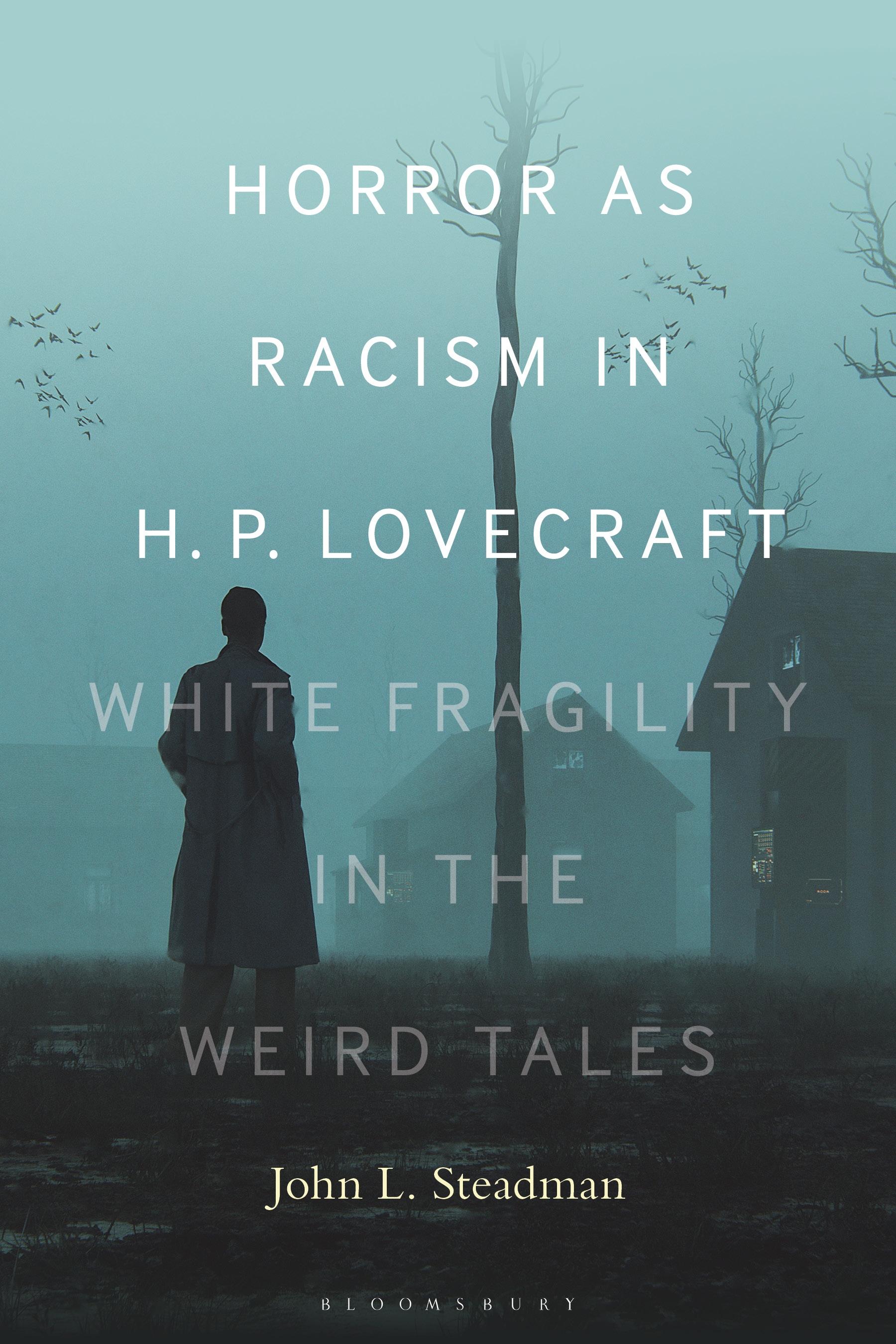
Providing a new perspective on Lovecraft's life and work, Horror as Racism in H.P. Lovecraft focuses on the overlap between the writer's personal beliefs and the racist images and narratives in his speculative fiction.
Building on recent debates about Lovecraft and drawing on the concept of "white fragility," John Steadman argues that the writer's fiction reflects his feelings of resentment and anger towards non-white persons and was used to advocate for his racist, xenophobic political beliefs – that western civilization was in decline and slavery was justifiable among "superior" civilizations. In making these claims, Lovecraft's tales pit humans against extra-terrestrial aliens, developing a terrifying, futuristic vision of the Earth as a plantation planet.
The familiar image of Lovecraft as a reclusive, creative genius and mentor to young writer-friends is dismantled through close readings of his fiction and nonfiction – including correspondence, essays, and poetry – and examination of his early biography. This image is replaced by that of a cruel, callous, and, at times, psychotic man, a violently vitriolic racist and white supremacist who hated most of the non-white races.
While some will dismiss the author outright and others will read his fiction but ignore the racism, Horror as Racism in H.P. Lovecraft takes a middle ground: acknowledging Lovecraft's personal history and heinous intentions, it helps readers navigate the author's disturbing biography while also getting a better sense of the stories, which remain significant within American science fiction.
Building on recent debates about Lovecraft and drawing on the concept of "white fragility," John Steadman argues that the writer's fiction reflects his feelings of resentment and anger towards non-white persons and was used to advocate for his racist, xenophobic political beliefs – that western civilization was in decline and slavery was justifiable among "superior" civilizations. In making these claims, Lovecraft's tales pit humans against extra-terrestrial aliens, developing a terrifying, futuristic vision of the Earth as a plantation planet.
The familiar image of Lovecraft as a reclusive, creative genius and mentor to young writer-friends is dismantled through close readings of his fiction and nonfiction – including correspondence, essays, and poetry – and examination of his early biography. This image is replaced by that of a cruel, callous, and, at times, psychotic man, a violently vitriolic racist and white supremacist who hated most of the non-white races.
While some will dismiss the author outright and others will read his fiction but ignore the racism, Horror as Racism in H.P. Lovecraft takes a middle ground: acknowledging Lovecraft's personal history and heinous intentions, it helps readers navigate the author's disturbing biography while also getting a better sense of the stories, which remain significant within American science fiction.
Paga facilmente con carta, Klarna, Apple Pay o Google Pay. Non sei soddisfatto? Hai sempre 14 giorni per il rimborso. Leggi di più nei nostri termini. Per qualsiasi domanda, scrivici a hello@memmo.org.
Memmo rende lo studio più facile, ovunque tu sia nel mondo. Qui trovi i tuoi libri di testo e strumenti di studio intelligenti, tutto in un unico posto: riassunti, quiz, podcast e flashcard. E poi c'è Ted, il tuo compagno di studio che risponde a ogni tua domanda. Oltre 50.000 studenti studiano già qui: è stato creato per aiutarti a imparare più velocemente e a stressarti meno.