
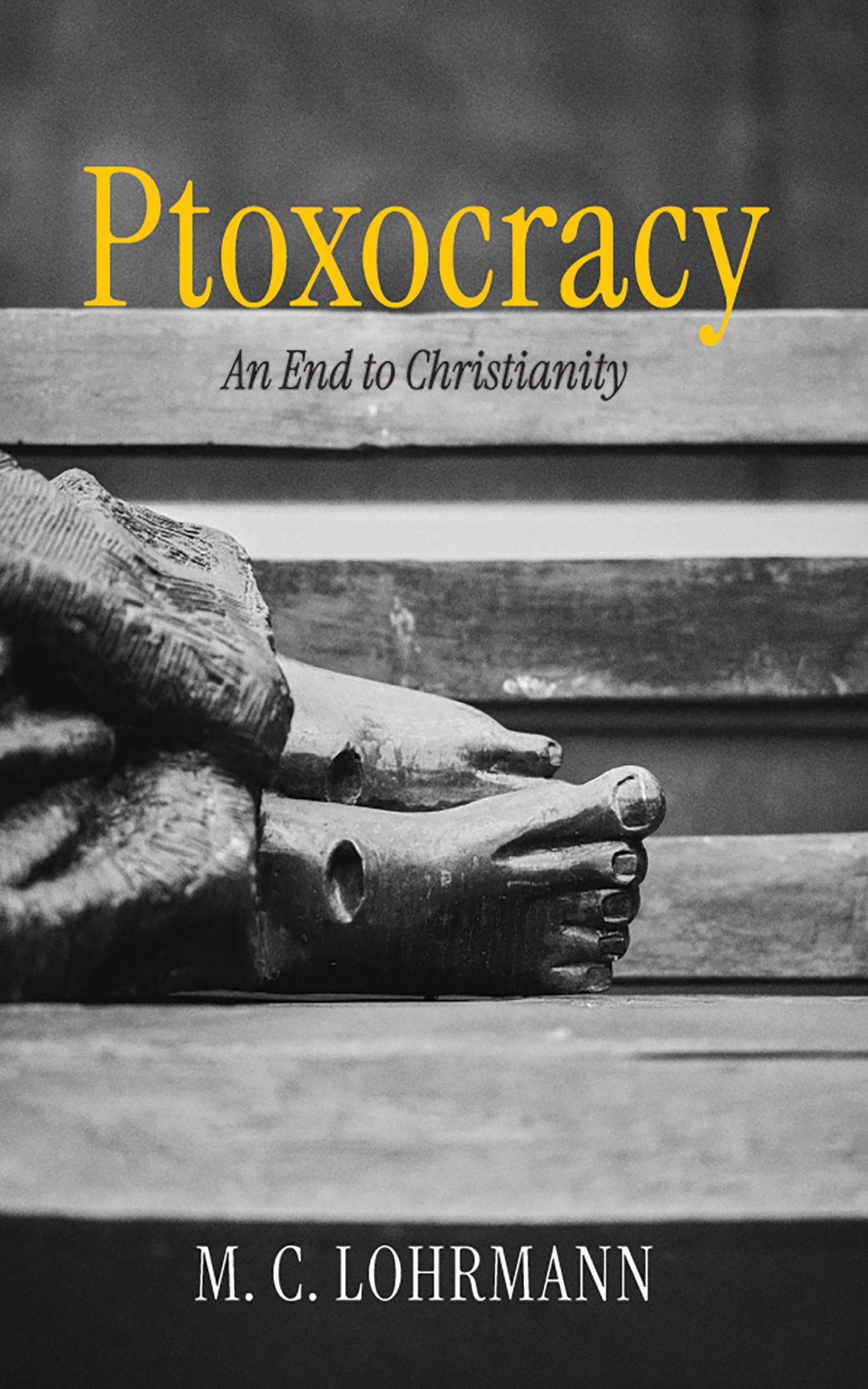
"The call of the church is ptoxocracy, either as a witness and practitioner or as its ideal standard-bearer in the world."
To have a meaningful stake in the lives of the poor, argues M. C. Lohrmann, would change the ways in which governance of all types--national or local municipalities, denominations, religious judicatories, and non-profit boards--determines its focus.
Lohrmann defines ptoxocracy (derived from the Greek ptoxoi, the poorest of the poor) as "governance by the materially poor; a hybrid form of representative democracy whereby only persons of the lowest economic status are eligible for elected public office." This model, he contends, allows us to step back from the coupling of wealth and power created by myths of meritocracy and a rich ruling class to envision a system that works for the good of the whole.
Looking to Scripture, Lohrmann follows the through-line of God's blessing of the poor in both the Hebrew and Christian canons. How might the kingdom of God appear if God's preferential option for the poor became the lens through which we organized our lives together?
Paga facilmente con carta, Klarna, Apple Pay o Google Pay. Non sei soddisfatto? Hai sempre 14 giorni per il rimborso. Leggi di più nei nostri termini. Per qualsiasi domanda, scrivici a hello@memmo.org.
Memmo rende lo studio più facile, ovunque tu sia nel mondo. Qui trovi i tuoi libri di testo e strumenti di studio intelligenti, tutto in un unico posto: riassunti, quiz, podcast e flashcard. E poi c'è Ted, il tuo compagno di studio che risponde a ogni tua domanda. Oltre 50.000 studenti studiano già qui: è stato creato per aiutarti a imparare più velocemente e a stressarti meno.
Potrebbe interessarti anche
Acquista il libro0