
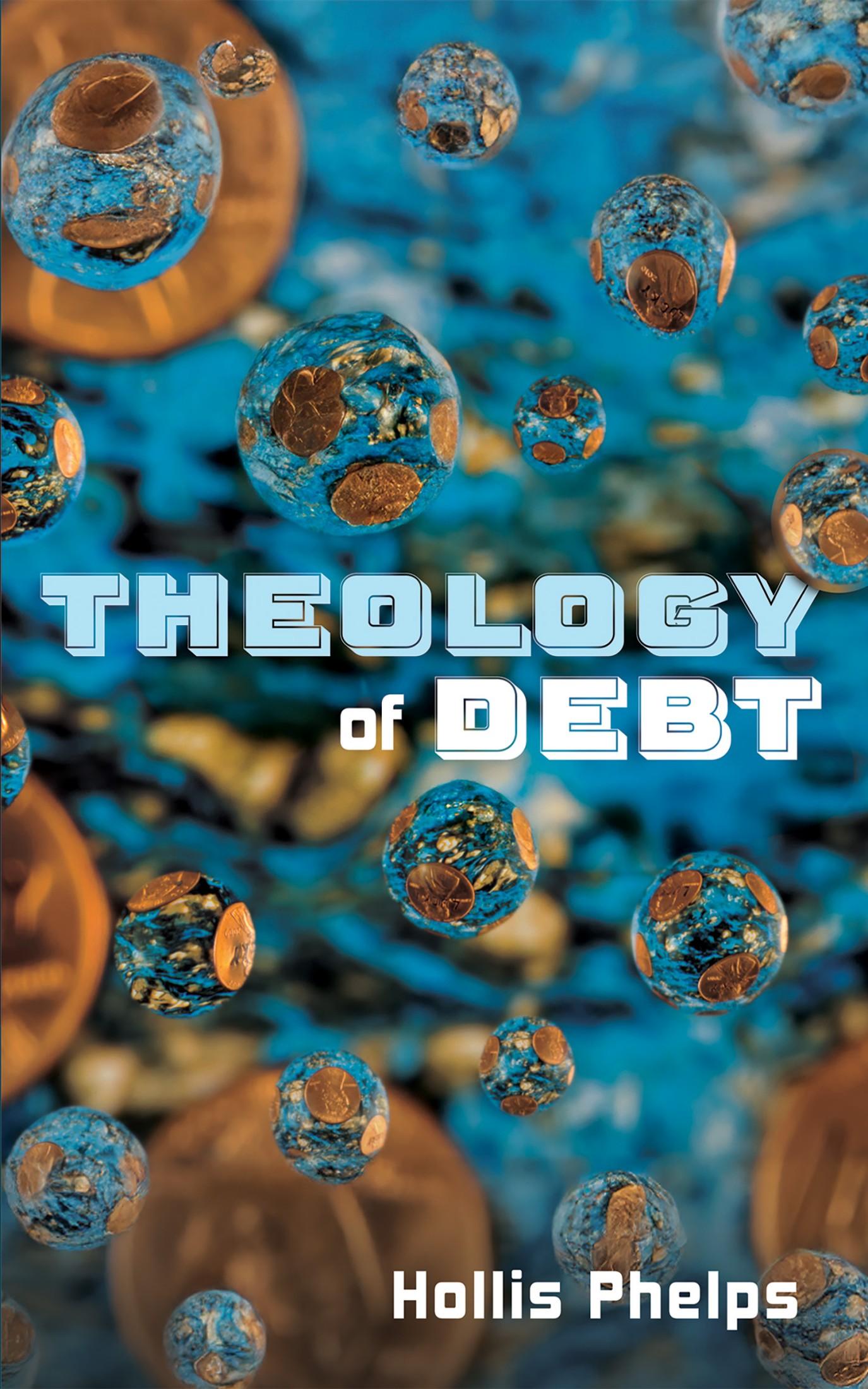
This book focuses on the various ways in which debt functions at theological and moral levels to create subjects, with chapters on the biblical jubilee tradition and usury, the gospels, Saint Paul, atonement theories in the early church, Anselm's satisfaction theory of atonement, and contemporary discussions of debt as a subjective mechanism. Phelps shows that debt and atonement as theological concepts are bound together, so to undermine debt as a subjective mechanism we need to undermine atonement theory as well, by desacralizing the latter. The goal of this book is to disrupt the sovereignty of debt over the creation and maintenance of subjectivity, so that we can think otherwise than and outside of the creditor-debtor relationship, both morally and theologically but also economically. Ultimately, the analysis presented over seven chapters incites us to rethink community and what form social life should take.
Paga facilmente con carta, Klarna, Apple Pay o Google Pay. Non sei soddisfatto? Hai sempre 14 giorni per il rimborso. Leggi di più nei nostri termini. Per qualsiasi domanda, scrivici a hello@memmo.org.
Memmo rende lo studio più facile, ovunque tu sia nel mondo. Qui trovi i tuoi libri di testo e strumenti di studio intelligenti, tutto in un unico posto: riassunti, quiz, podcast e flashcard. E poi c'è Ted, il tuo compagno di studio che risponde a ogni tua domanda. Oltre 50.000 studenti studiano già qui: è stato creato per aiutarti a imparare più velocemente e a stressarti meno.
Potrebbe interessarti anche
Acquista il libro0