
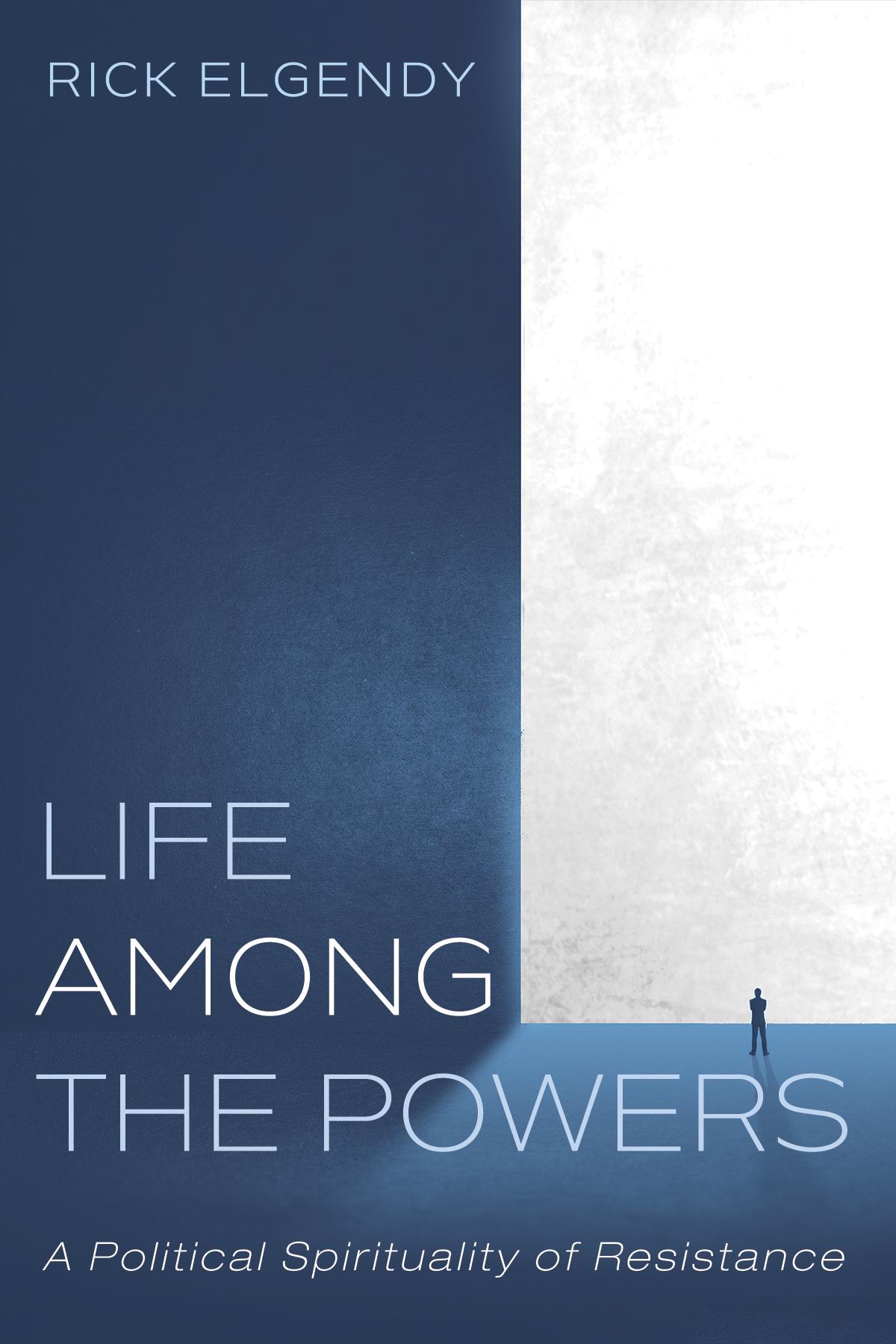
Many Christians have come to see that they live in a world marked by structural problems--legacies of racial injustice, climate change, constraining forms of gender and sexuality, to name just a few. A faithful response to these problems calls for ethical and political witness, and theologians have used the New Testament language describing the "principalities and powers" to provide just that: a picture of faith in which Christ redeems humanity from structures of power. This tradition, though, sometimes offers the hope of an "outside," ways of living in which we can be no longer complicit with the powers. This book pushes this conversation further, seeking a theological understanding--and the spirituality that lives within it--of how we are implicated in such structures, what we are called to do to resist their harms, and who we might still become. Along the way, it reads together unlikely fellow-travelers Karl Barth and Michel Foucault to argue that while our complicity with the powers is inescapable, we can still live meaningfully different, movingly faithful lives that challenge the forms of the world that we believe are passing away.
Paga facilmente con carta, Klarna, Apple Pay o Google Pay. Non sei soddisfatto? Hai sempre 14 giorni per il rimborso. Leggi di più nei nostri termini. Per qualsiasi domanda, scrivici a hello@memmo.org.
Memmo rende lo studio più facile, ovunque tu sia nel mondo. Qui trovi i tuoi libri di testo e strumenti di studio intelligenti, tutto in un unico posto: riassunti, quiz, podcast e flashcard. E poi c'è Ted, il tuo compagno di studio che risponde a ogni tua domanda. Oltre 50.000 studenti studiano già qui: è stato creato per aiutarti a imparare più velocemente e a stressarti meno.
Potrebbe interessarti anche
Acquista il libro0