
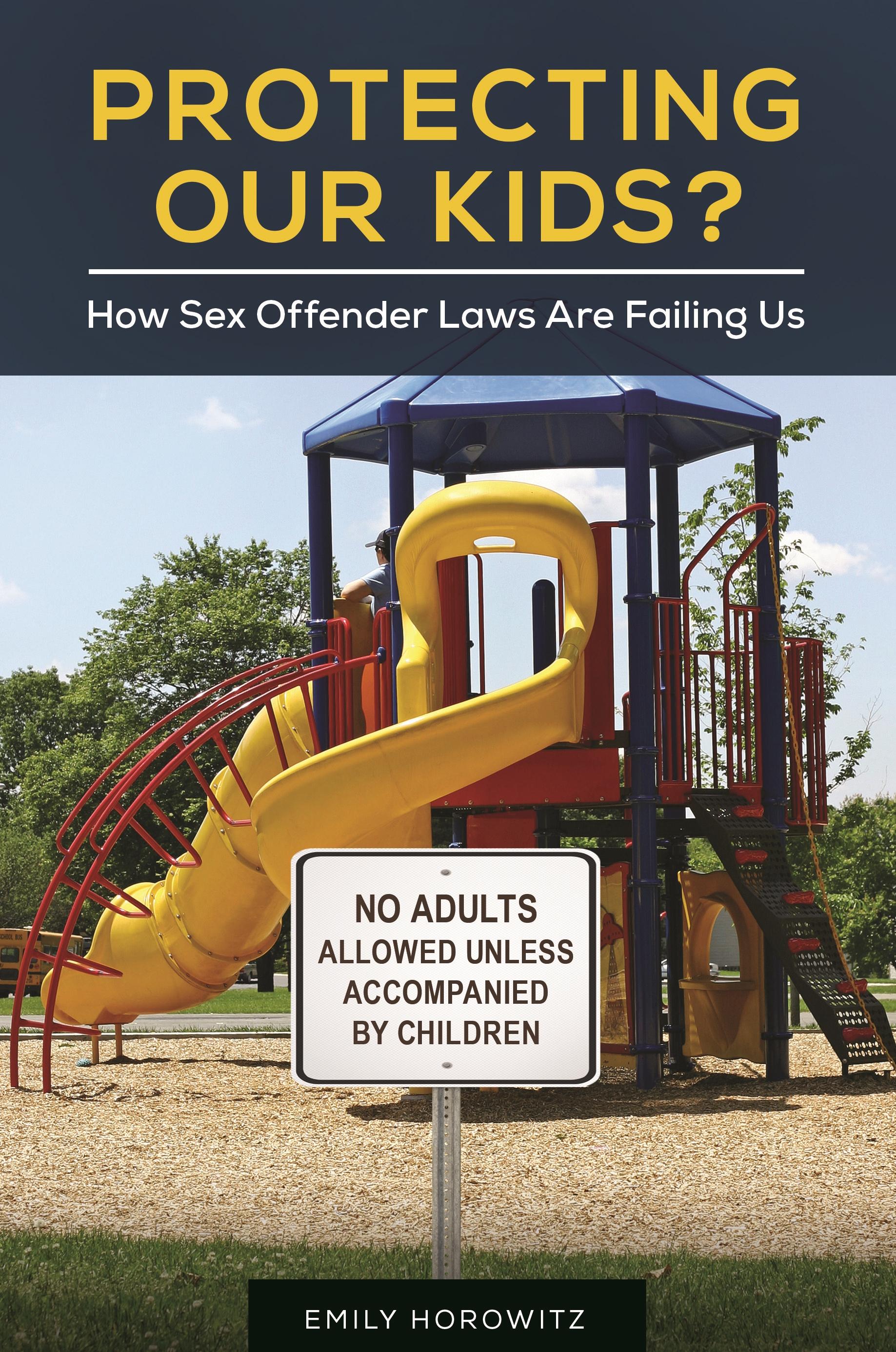
This thought-provoking work raises important questions about sex offender laws, drawing from personal stories, research, and data to prove the policies promote fear, destroy lives, and fail to protect children.
Do sex offender laws protect children, or are they inherently unfair practices that, at their worst, promote vigilante justice? The latter, this book argues. By analyzing the social, political, historical, and cultural context surrounding the emergence of current sex offender policies and laws, the work shows how sex offenders have come to loom as greater-than-life monsters when, in many cases, that is not true at all. Looking at its subject from a fresh viewpoint, the book shares research and new analyses of data and qualitative evidence to show how sex-offender laws are not only ineffective, but engender destructive fear and anxiety.
To help readers understand the impact of these laws, the author presents interviews with sex offenders and their families as they describe the day-to-day reality of living on the sex offender registry. Citing research and statistics, the book challenges the idea that sex offenders must be continually monitored and publicly identified because they are incurably predatory. Most important, the study shows that undue sex offender panic is preventing policymakers from addressing the true threats to children—poverty and growing inequality.
Do sex offender laws protect children, or are they inherently unfair practices that, at their worst, promote vigilante justice? The latter, this book argues. By analyzing the social, political, historical, and cultural context surrounding the emergence of current sex offender policies and laws, the work shows how sex offenders have come to loom as greater-than-life monsters when, in many cases, that is not true at all. Looking at its subject from a fresh viewpoint, the book shares research and new analyses of data and qualitative evidence to show how sex-offender laws are not only ineffective, but engender destructive fear and anxiety.
To help readers understand the impact of these laws, the author presents interviews with sex offenders and their families as they describe the day-to-day reality of living on the sex offender registry. Citing research and statistics, the book challenges the idea that sex offenders must be continually monitored and publicly identified because they are incurably predatory. Most important, the study shows that undue sex offender panic is preventing policymakers from addressing the true threats to children—poverty and growing inequality.
Paga facilmente con carta, Klarna, Apple Pay o Google Pay. Non sei soddisfatto? Hai sempre 14 giorni per il rimborso. Leggi di più nei nostri termini. Per qualsiasi domanda, scrivici a hello@memmo.org.
Memmo rende lo studio più facile, ovunque tu sia nel mondo. Qui trovi i tuoi libri di testo e strumenti di studio intelligenti, tutto in un unico posto: riassunti, quiz, podcast e flashcard. E poi c'è Ted, il tuo compagno di studio che risponde a ogni tua domanda. Oltre 50.000 studenti studiano già qui: è stato creato per aiutarti a imparare più velocemente e a stressarti meno.