
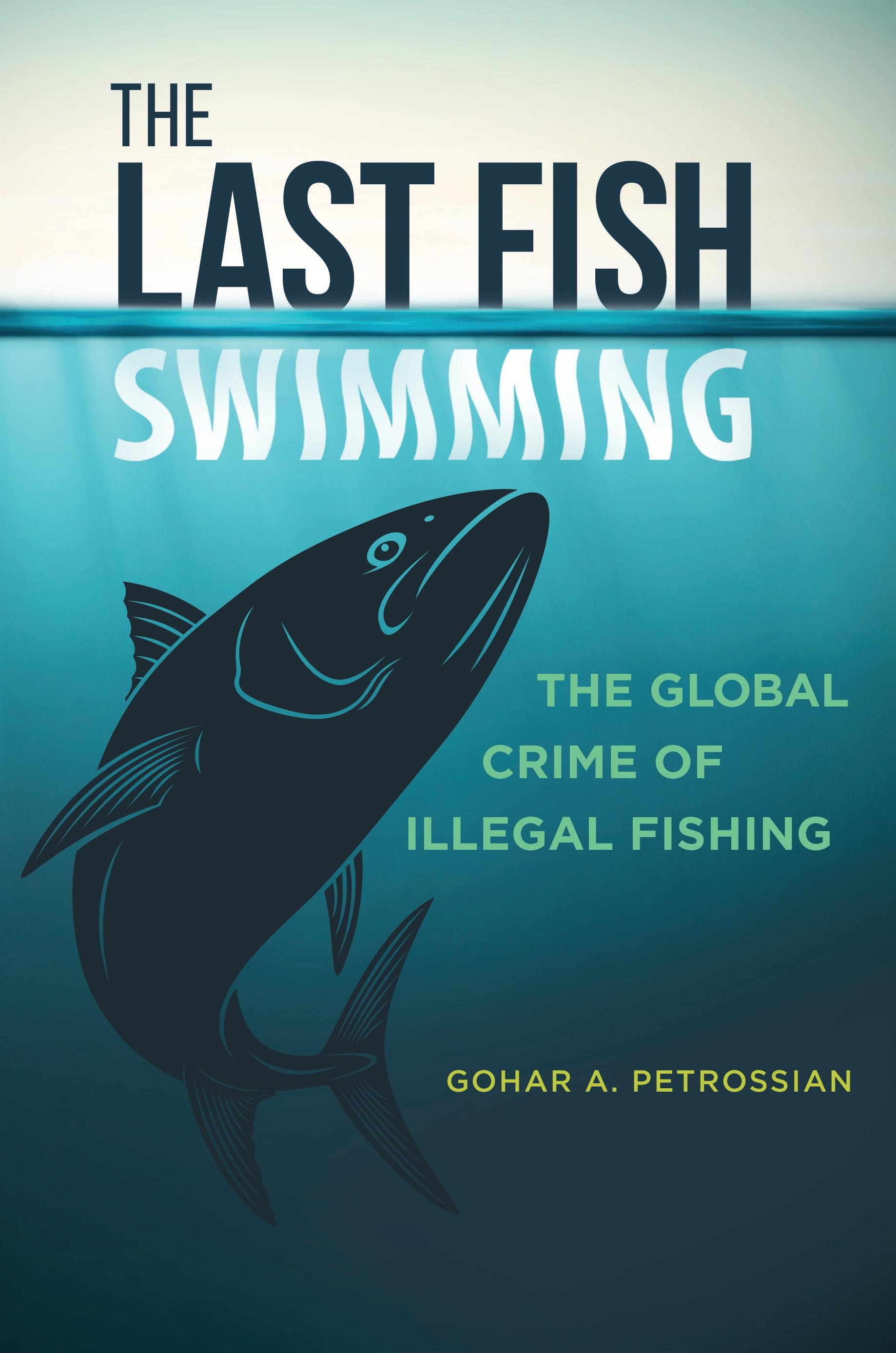
This book examines the global, local, and specific environmental factors that facilitate illegal fishing and proposes effective ways to reduce the opportunities and incentives that threaten the existence of the world's fish.
Humans are deeply dependent on fishing—globally, fish comprise 15 percent of the protein intake for approximately 3 billion people, and 8 percent of the global population depends on the fishing industry as their livelihood. The global fishing industry is plagued by illegal fishing, however, and many highly commercial species, such as cod, tuna, orange roughy, and swordfish, are extremely vulnerable.
Through criminological analysis, The Last Fish Swimming emphasizes the importance of looking at specific environmental factors that make illegal fishing possible. It examines such factors as proximity to known ports where illegally caught fish can be landed without inspection (i.e., ports of convenience), fisheries monitoring, control and surveillance efforts, formal surveillance, and resource attractiveness in 53 countries that altogether represent 96 percent of the world's fish catch. The book calls upon the global community to address the illegal depletion of the world's fish stock and other similar threats to the world's food supply and natural environment in order to ensure the sustainability of the planet's fish and continuation of the legal fishing industry for generations to come.
Humans are deeply dependent on fishing—globally, fish comprise 15 percent of the protein intake for approximately 3 billion people, and 8 percent of the global population depends on the fishing industry as their livelihood. The global fishing industry is plagued by illegal fishing, however, and many highly commercial species, such as cod, tuna, orange roughy, and swordfish, are extremely vulnerable.
Through criminological analysis, The Last Fish Swimming emphasizes the importance of looking at specific environmental factors that make illegal fishing possible. It examines such factors as proximity to known ports where illegally caught fish can be landed without inspection (i.e., ports of convenience), fisheries monitoring, control and surveillance efforts, formal surveillance, and resource attractiveness in 53 countries that altogether represent 96 percent of the world's fish catch. The book calls upon the global community to address the illegal depletion of the world's fish stock and other similar threats to the world's food supply and natural environment in order to ensure the sustainability of the planet's fish and continuation of the legal fishing industry for generations to come.
Paga facilmente con carta, Klarna, Apple Pay o Google Pay. Non sei soddisfatto? Hai sempre 14 giorni per il rimborso. Leggi di più nei nostri termini. Per qualsiasi domanda, scrivici a hello@memmo.org.
Memmo rende lo studio più facile, ovunque tu sia nel mondo. Qui trovi i tuoi libri di testo e strumenti di studio intelligenti, tutto in un unico posto: riassunti, quiz, podcast e flashcard. E poi c'è Ted, il tuo compagno di studio che risponde a ogni tua domanda. Oltre 50.000 studenti studiano già qui: è stato creato per aiutarti a imparare più velocemente e a stressarti meno.