
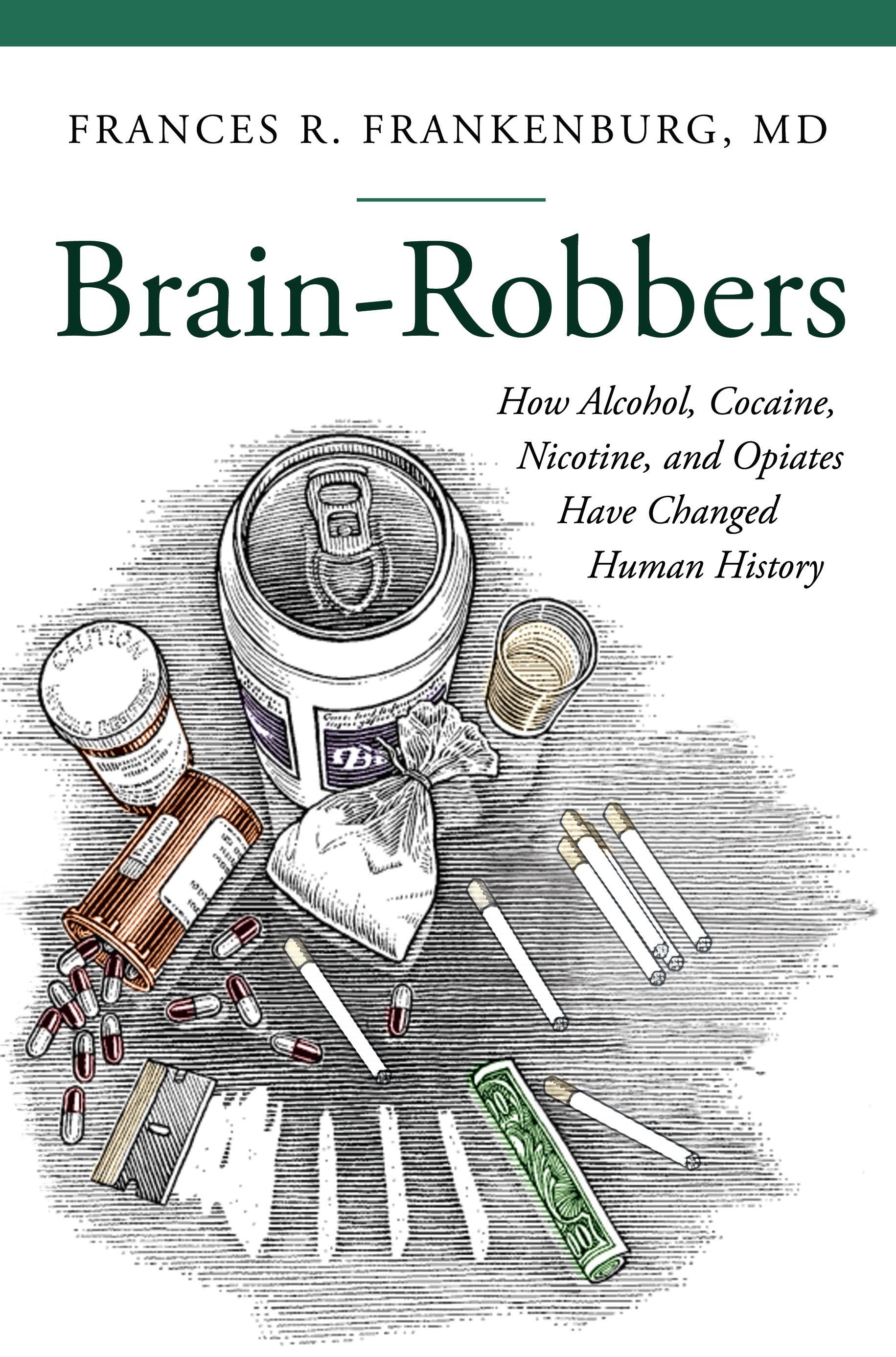
A psychiatrist examines how the world's four most important mind-altering substances— alcohol, cocaine, nicotine, and opiates—have played a significant role throughout human history, and explains how these powerful drugs affect the brain and cause addiction.
Alcohol, cocaine, nicotine, and opiates have spurred some of the greatest human pleasure and pain across time. Providing information that ranges as widely as from ancient Egypt to modern times, this book comprehensively addresses the good, the bad, and the very ugliest aspects of these substances, examining their history, their effects on the brain and body, and on civilization itself. Frances R. Frankenburg, MD, employs accessible, everyday language to explain the neurology of addiction and describe how these "brain-robbing" substances work to hijack the brain's pleasure systems to create powerful addictions. The author also provides perspective into the intertwined, inescapable, and often uneasy relationship between these substances and human culture, economics, and politics—for example, how individuals become physically or psychologically addicted to alcohol, cocaine, nicotine, and opiates, while governments become financially "addicted" to the revenue, such as taxes, that can be collected from the sale and use of these substances.
Alcohol, cocaine, nicotine, and opiates have spurred some of the greatest human pleasure and pain across time. Providing information that ranges as widely as from ancient Egypt to modern times, this book comprehensively addresses the good, the bad, and the very ugliest aspects of these substances, examining their history, their effects on the brain and body, and on civilization itself. Frances R. Frankenburg, MD, employs accessible, everyday language to explain the neurology of addiction and describe how these "brain-robbing" substances work to hijack the brain's pleasure systems to create powerful addictions. The author also provides perspective into the intertwined, inescapable, and often uneasy relationship between these substances and human culture, economics, and politics—for example, how individuals become physically or psychologically addicted to alcohol, cocaine, nicotine, and opiates, while governments become financially "addicted" to the revenue, such as taxes, that can be collected from the sale and use of these substances.
Paga facilmente con carta, Klarna, Apple Pay o Google Pay. Non sei soddisfatto? Hai sempre 14 giorni per il rimborso. Leggi di più nei nostri termini. Per qualsiasi domanda, scrivici a hello@memmo.org.
Memmo rende lo studio più facile, ovunque tu sia nel mondo. Qui trovi i tuoi libri di testo e strumenti di studio intelligenti, tutto in un unico posto: riassunti, quiz, podcast e flashcard. E poi c'è Ted, il tuo compagno di studio che risponde a ogni tua domanda. Oltre 50.000 studenti studiano già qui: è stato creato per aiutarti a imparare più velocemente e a stressarti meno.