
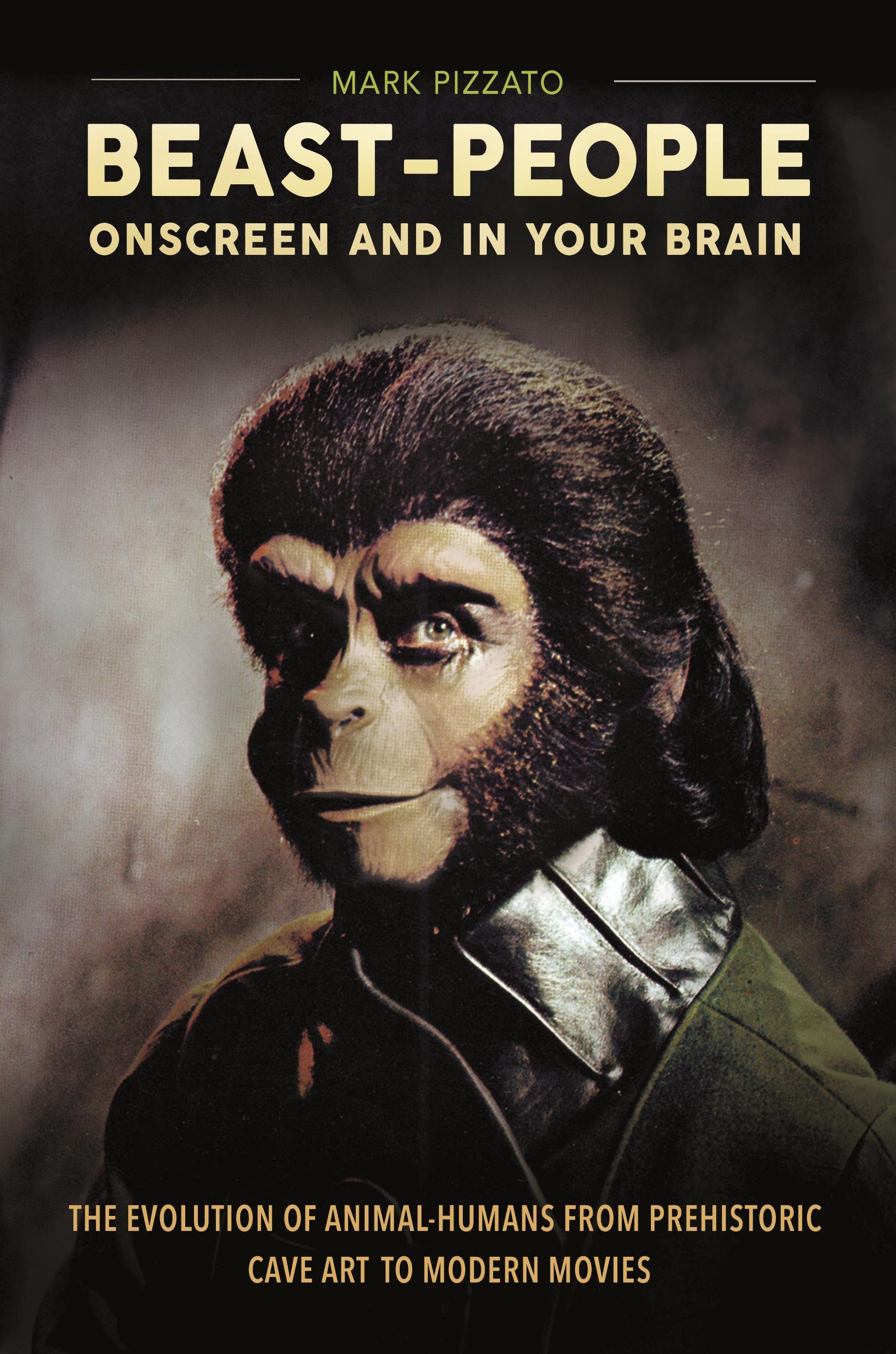
A new take on our bio-cultural evolution explores how the "inner theatre" of the brain and its "animal-human stages" are reflected in and shaped by the mirror of cinema.
Vampire, werewolf, and ape-planet films are perennial favorites—perhaps because they speak to something primal in human nature. This intriguing volume examines such films in light of the latest developments in neuroscience, revealing ways in which animal-human monster movies reflect and affect what we naturally imagine in our minds. Examining specific films as well as early cave images, the book discusses how certain creatures on rock walls and movie screens express animal-to-human evolution and the structures of our brains.
The book presents a new model of the human brain with its theatrical, cinematic, and animal elements. It also develops a theory of "rasa-catharsis" as the clarifying of emotions within and between spectators of the stage or screen, drawing on Eastern and Western aesthetics as well as current neuroscience. It focuses on the "inner movie theater" of memories, dreams, and reality representations, involving developmental stages, as well as the "hall of mirrors," ape-egos, and body-swapping identifications between human beings. Finally, the book shows how ironic twists onscreen—especially of contradictory emotions—might evoke a reappraisal of feelings, helping spectators to be more attentive to their own impulses. Through this interdisciplinary study, scholars, artists, and general readers will find a fresh way to understand the potential for interactive mindfulness and yet cathartic backfire between human brains—in cinema, in theater, and in daily life.
Vampire, werewolf, and ape-planet films are perennial favorites—perhaps because they speak to something primal in human nature. This intriguing volume examines such films in light of the latest developments in neuroscience, revealing ways in which animal-human monster movies reflect and affect what we naturally imagine in our minds. Examining specific films as well as early cave images, the book discusses how certain creatures on rock walls and movie screens express animal-to-human evolution and the structures of our brains.
The book presents a new model of the human brain with its theatrical, cinematic, and animal elements. It also develops a theory of "rasa-catharsis" as the clarifying of emotions within and between spectators of the stage or screen, drawing on Eastern and Western aesthetics as well as current neuroscience. It focuses on the "inner movie theater" of memories, dreams, and reality representations, involving developmental stages, as well as the "hall of mirrors," ape-egos, and body-swapping identifications between human beings. Finally, the book shows how ironic twists onscreen—especially of contradictory emotions—might evoke a reappraisal of feelings, helping spectators to be more attentive to their own impulses. Through this interdisciplinary study, scholars, artists, and general readers will find a fresh way to understand the potential for interactive mindfulness and yet cathartic backfire between human brains—in cinema, in theater, and in daily life.
Paga facilmente con carta, Klarna, Apple Pay o Google Pay. Non sei soddisfatto? Hai sempre 14 giorni per il rimborso. Leggi di più nei nostri termini. Per qualsiasi domanda, scrivici a hello@memmo.org.
Memmo rende lo studio più facile, ovunque tu sia nel mondo. Qui trovi i tuoi libri di testo e strumenti di studio intelligenti, tutto in un unico posto: riassunti, quiz, podcast e flashcard. E poi c'è Ted, il tuo compagno di studio che risponde a ogni tua domanda. Oltre 50.000 studenti studiano già qui: è stato creato per aiutarti a imparare più velocemente e a stressarti meno.