
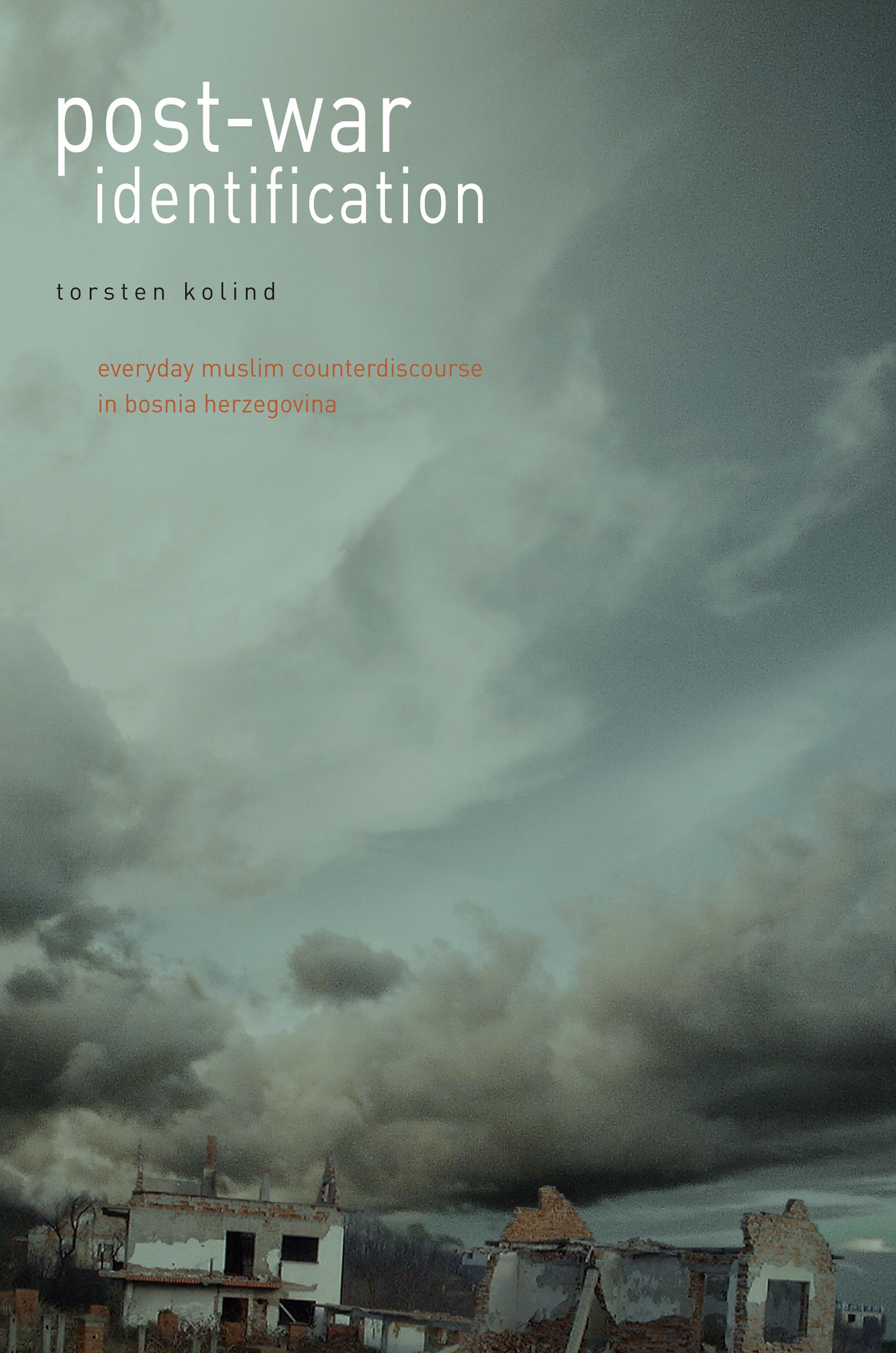
Stolac, the town of departure for this book and the site where the author conducted fieldwork, is located in the south-western corner of Bosnia Herzegovina. The war in Bosnia Herzegovina (1992-95) was initially an act of aggression and territorial conquest instigated by Serbian political leaders. However, as the war progressed, it increasingly came to consist of several minor wars, one of them fought in Western Bosnia Herzegovina between Croatian and Muslim forces. This was the one that affected the inhabitants of Stolac the most. Before the war, ethnic identity in Bosnia Herzegovina was only one identity among others, and ethnic differences were embedded in everyday practices. Today, ethnic difference is all there is. The Muslims of Stolac are fully aware that as Muslims, they constitute a totally separate group - and that ethnic identity is by far the most important form of identity in present-day Bosnia Herzegovina. In that regard the nationalist project has succeeded. Such a crystallisation and explication of identity fits in well with the structurally inspired anthropology of war and violence, which theorises that the function of violence is to create unambiguous identities. However, Post-War Identities shows that for the Muslims of Stolac, the creation of unambiguous ethnic identities is only half the story.
Paga facilmente con carta, Klarna, Apple Pay o Google Pay. Non sei soddisfatto? Hai sempre 14 giorni per il rimborso. Leggi di più nei nostri termini. Per qualsiasi domanda, scrivici a hello@memmo.org.
Memmo rende lo studio più facile, ovunque tu sia nel mondo. Qui trovi i tuoi libri di testo e strumenti di studio intelligenti, tutto in un unico posto: riassunti, quiz, podcast e flashcard. E poi c'è Ted, il tuo compagno di studio che risponde a ogni tua domanda. Oltre 50.000 studenti studiano già qui: è stato creato per aiutarti a imparare più velocemente e a stressarti meno.
Potrebbe interessarti anche
Acquista il libro0