
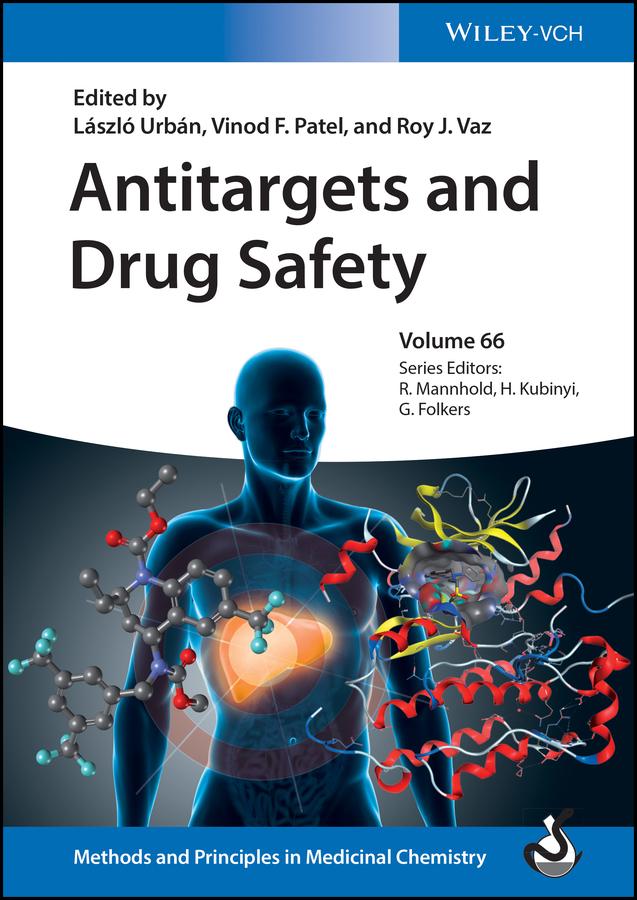
With its focus on emerging concerns of kinase and GPCR-mediated antitarget effects, this vital reference for drug developers addresses one of the hot topics in drug safety now and in future.
Divided into three major parts, the first section deals with novel technologies and includes the utility of adverse event reports to drug discovery, the translational aspects of preclinical safety findings, broader computational prediction of drug side-effects, and a description of the serotonergic system. The main part of the book looks at some of the most common antitarget-mediated side effects, focusing on hepatotoxicity in drug safety, cardiovascular toxicity and signaling effects via kinase and GPCR anti-targets. In the final section, several case studies of recently developed drugs illustrate how to prevent anti-target effects and how big pharma deals with them if they occur. The more recent field of systems pharmacology has gained prominence and this is reflected in chapters dedicated to the utility in deciphering and modeling anti-targets. The final chapter is concerned with those compounds that inadvertently elicit CNS mediated adverse events, including a pragmatic description of ways to mitigate these types of safety risks.
Written as a companion to the successful book on antitargets by Vaz and Klabunde, this new volume focuses on recent progress and new classes, methods and case studies that were not previously covered.
Divided into three major parts, the first section deals with novel technologies and includes the utility of adverse event reports to drug discovery, the translational aspects of preclinical safety findings, broader computational prediction of drug side-effects, and a description of the serotonergic system. The main part of the book looks at some of the most common antitarget-mediated side effects, focusing on hepatotoxicity in drug safety, cardiovascular toxicity and signaling effects via kinase and GPCR anti-targets. In the final section, several case studies of recently developed drugs illustrate how to prevent anti-target effects and how big pharma deals with them if they occur. The more recent field of systems pharmacology has gained prominence and this is reflected in chapters dedicated to the utility in deciphering and modeling anti-targets. The final chapter is concerned with those compounds that inadvertently elicit CNS mediated adverse events, including a pragmatic description of ways to mitigate these types of safety risks.
Written as a companion to the successful book on antitargets by Vaz and Klabunde, this new volume focuses on recent progress and new classes, methods and case studies that were not previously covered.
Paga facilmente con carta, Klarna, Apple Pay o Google Pay. Non sei soddisfatto? Hai sempre 14 giorni per il rimborso. Leggi di più nei nostri termini. Per qualsiasi domanda, scrivici a hello@memmo.org.
Memmo rende lo studio più facile, ovunque tu sia nel mondo. Qui trovi i tuoi libri di testo e strumenti di studio intelligenti, tutto in un unico posto: riassunti, quiz, podcast e flashcard. E poi c'è Ted, il tuo compagno di studio che risponde a ogni tua domanda. Oltre 50.000 studenti studiano già qui: è stato creato per aiutarti a imparare più velocemente e a stressarti meno.