
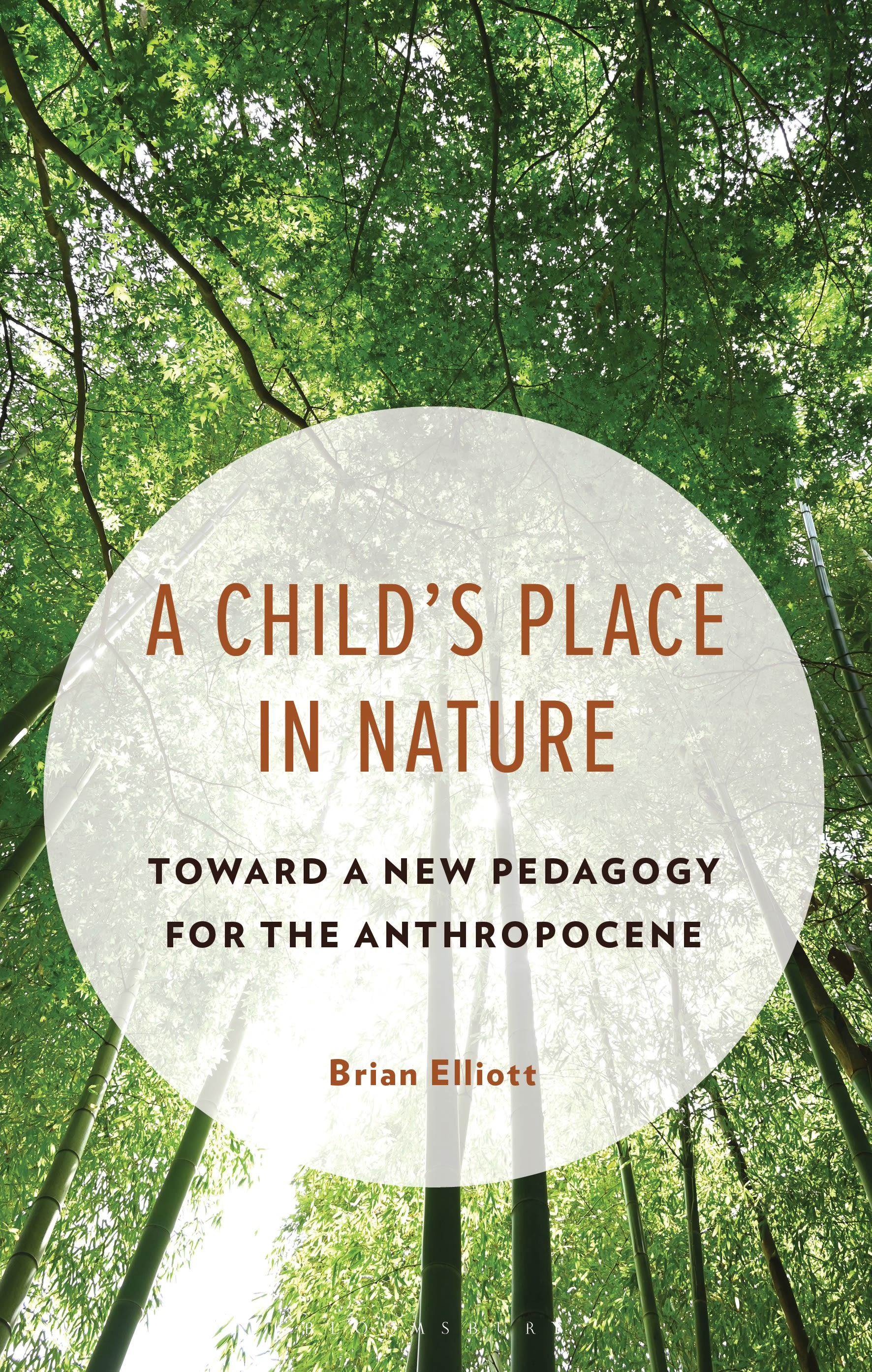
Outlining a transformational pedagogical philosophy that seeks to foster strong and meaningful bonds to the natural environment forged in childhood, this book targets some of the central social challenges entailed by planetary climate disturbance.
In recent decades, social scientists have been studying and drawing attention to what has been labelled “nature-deficit disorder,” a psychological condition in which the young child is deprived of meaningful contact with the natural environment and suffers a diminution of well-being. Brian Elliott brings together the ideas of love of place (topophilia) and love of living nature (biophilia) to propose a radically transformed approach to pedagogical theory and practice that would counter the widespread nature deficit typically experienced by children in more affluent countries. The need for this transformation is especially pressing in the age of the Anthropocene, in which it is confidently predicted that systematic climatic disturbance will begin to become relentlessly severe within the next two decades. The pedagogical approach is also predicated on young learners' inherent interest in leading happy, meaningful lives, a goal furthered by unsupervised time in the physical world around them, especially in middle childhood. Drawing a wide variety of literary, scientific, ecological, and philosophical sources, Elliott makes a passionate and compelling case to stop confining our childing within the classroom and get them back into the open air of the natural environment.
In recent decades, social scientists have been studying and drawing attention to what has been labelled “nature-deficit disorder,” a psychological condition in which the young child is deprived of meaningful contact with the natural environment and suffers a diminution of well-being. Brian Elliott brings together the ideas of love of place (topophilia) and love of living nature (biophilia) to propose a radically transformed approach to pedagogical theory and practice that would counter the widespread nature deficit typically experienced by children in more affluent countries. The need for this transformation is especially pressing in the age of the Anthropocene, in which it is confidently predicted that systematic climatic disturbance will begin to become relentlessly severe within the next two decades. The pedagogical approach is also predicated on young learners' inherent interest in leading happy, meaningful lives, a goal furthered by unsupervised time in the physical world around them, especially in middle childhood. Drawing a wide variety of literary, scientific, ecological, and philosophical sources, Elliott makes a passionate and compelling case to stop confining our childing within the classroom and get them back into the open air of the natural environment.
Paga facilmente con carta, Klarna, Apple Pay o Google Pay. Non sei soddisfatto? Hai sempre 14 giorni per il rimborso. Leggi di più nei nostri termini. Per qualsiasi domanda, scrivici a hello@memmo.org.
Memmo rende lo studio più facile, ovunque tu sia nel mondo. Qui trovi i tuoi libri di testo e strumenti di studio intelligenti, tutto in un unico posto: riassunti, quiz, podcast e flashcard. E poi c'è Ted, il tuo compagno di studio che risponde a ogni tua domanda. Oltre 50.000 studenti studiano già qui: è stato creato per aiutarti a imparare più velocemente e a stressarti meno.