
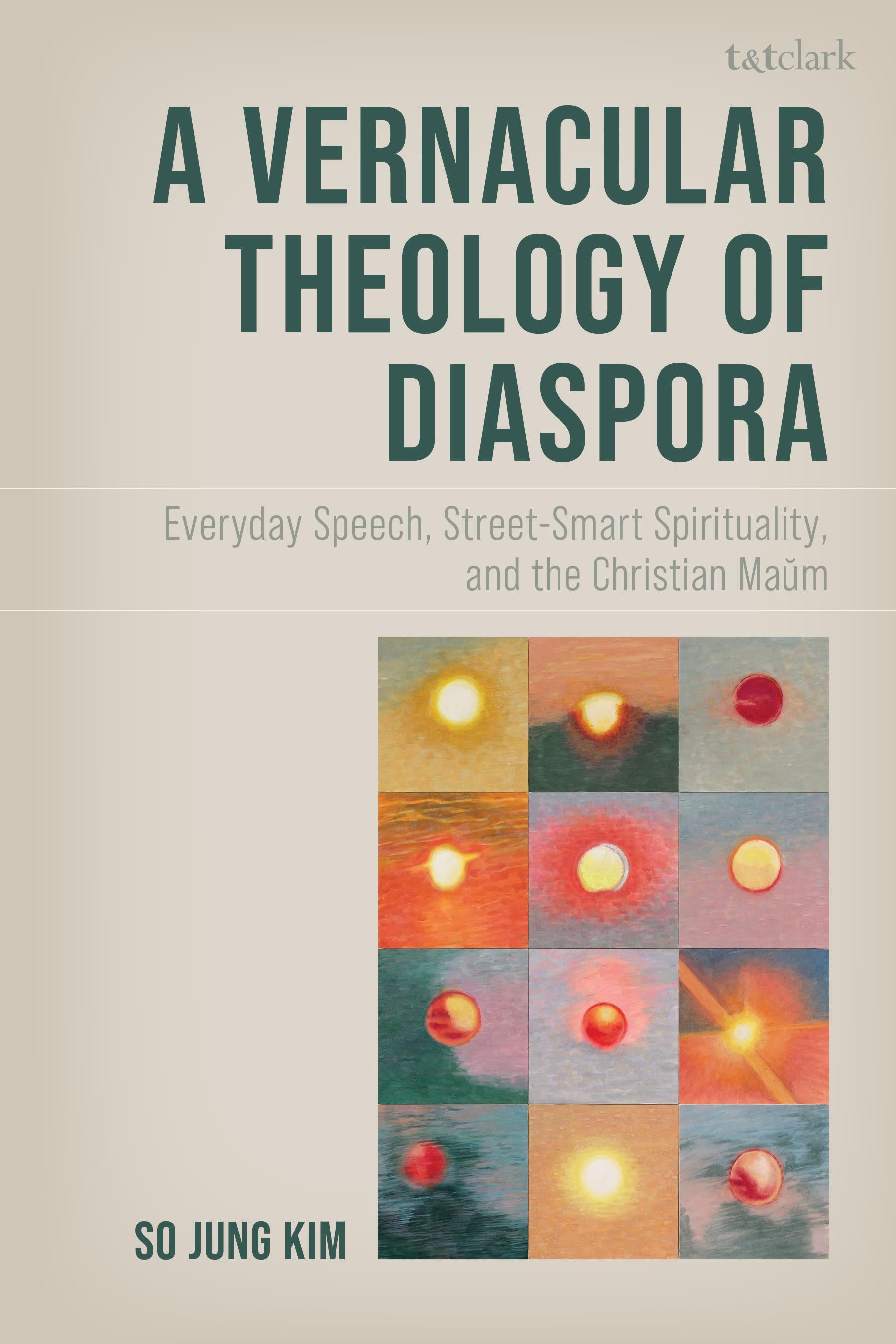
This book explores how language-in-use shapes the soul, identity, and spirituality of Asian American Christian women in diaspora, focusing on the theological and semiotic significance of language.
In employing an interdisciplinary framework cutting across Christian theology, linguistic anthropology, and feminist theory, the author suggests the concept of street-smart spirituality-a form of everyday mysticism embodied in vernacular speech acts. Focusing on the Korean term maum (heart–mind–soul), the book argues that everyday utterances, gestures, and vocal practices convey qualia-textured signs of internal experience-that articulate Christian subjectivity beyond institutional orders or dominant linguistic norms. Tracing the rhetorical tradition of sermo humilis and vernacularity from Augustine to Dante, and placing it in conversation with Marguerite Porete and Yi Suni, the book reveals how Christian vernaculars have functioned as vehicles of resistance, intimacy, and transformation. In grappling with the racialized demands of “standard” American English, this work affirms the power of fragile, diasporic, and accented speech as a site of divine encounter and theological agency. The book invites readers to rethink what makes language “Christian,” what renders a person “American enough,” and how voice becomes a sacred medium of becoming.
In employing an interdisciplinary framework cutting across Christian theology, linguistic anthropology, and feminist theory, the author suggests the concept of street-smart spirituality-a form of everyday mysticism embodied in vernacular speech acts. Focusing on the Korean term maum (heart–mind–soul), the book argues that everyday utterances, gestures, and vocal practices convey qualia-textured signs of internal experience-that articulate Christian subjectivity beyond institutional orders or dominant linguistic norms. Tracing the rhetorical tradition of sermo humilis and vernacularity from Augustine to Dante, and placing it in conversation with Marguerite Porete and Yi Suni, the book reveals how Christian vernaculars have functioned as vehicles of resistance, intimacy, and transformation. In grappling with the racialized demands of “standard” American English, this work affirms the power of fragile, diasporic, and accented speech as a site of divine encounter and theological agency. The book invites readers to rethink what makes language “Christian,” what renders a person “American enough,” and how voice becomes a sacred medium of becoming.
Paga facilmente con carta, Klarna, Apple Pay o Google Pay. Non sei soddisfatto? Hai sempre 14 giorni per il rimborso. Leggi di più nei nostri termini. Per qualsiasi domanda, scrivici a hello@memmo.org.
Memmo rende lo studio più facile, ovunque tu sia nel mondo. Qui trovi i tuoi libri di testo e strumenti di studio intelligenti, tutto in un unico posto: riassunti, quiz, podcast e flashcard. E poi c'è Ted, il tuo compagno di studio che risponde a ogni tua domanda. Oltre 50.000 studenti studiano già qui: è stato creato per aiutarti a imparare più velocemente e a stressarti meno.