
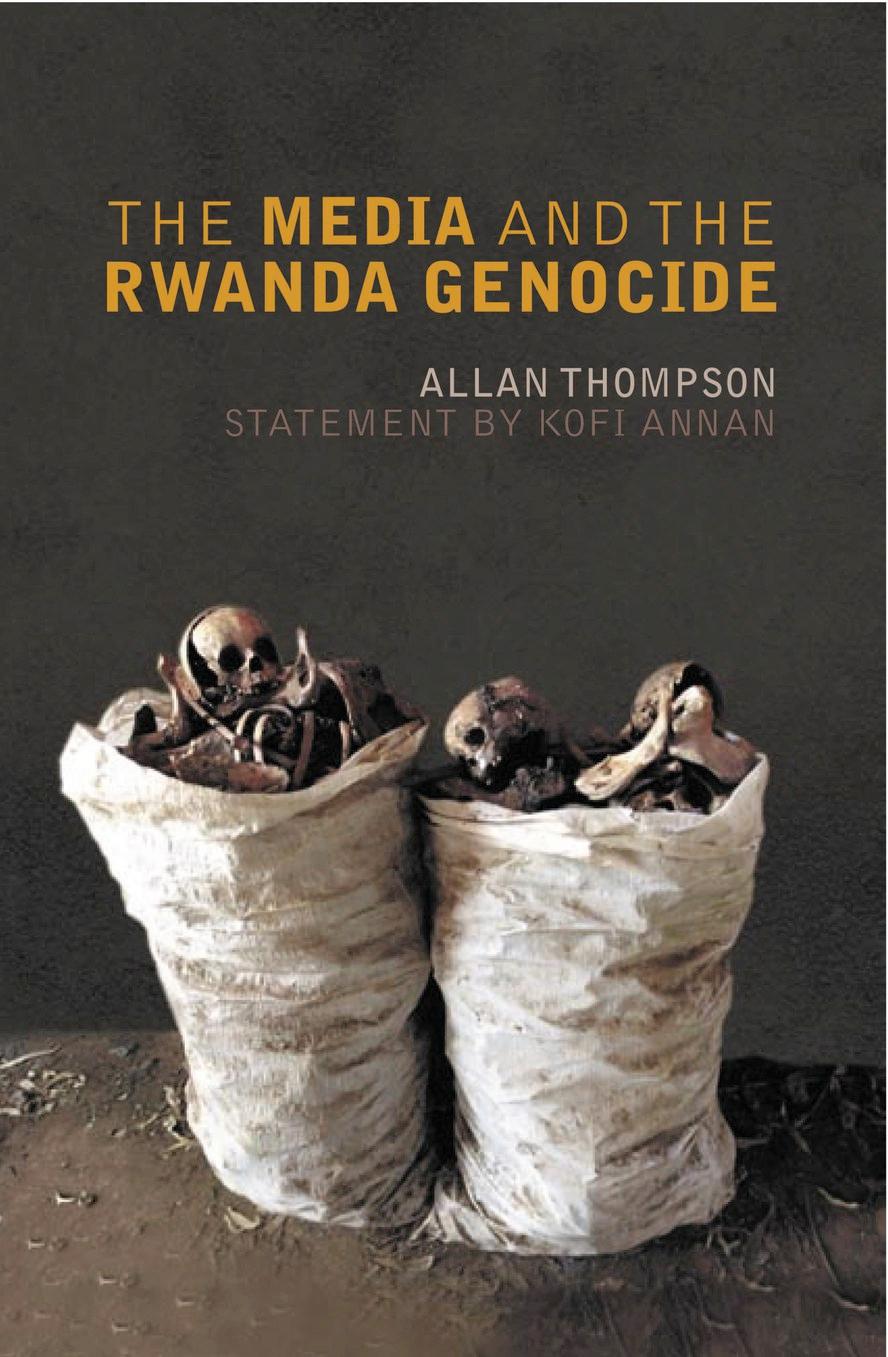
The news media played a crucial role in the 1994 Rwanda genocide: local media fuelled the killings, while the international media either ignored or seriously misconstrued what was happening.
This is the first book to explore both sides of that media equation. The book examines how local radio and print media were used as a tool of hate by encouraging neighbours to turn against each other. It also presents a critique of international media coverage of the cataclysmic events in Rwanda. Bringing together local reporters and commentators from Rwanda, high-profile Western journalists and leading media theorists, this is the only book to identify and probe the extent of the media's accountability. It also examines deliberations by the International Criminal Tribunal for Rwanda on the role of the media in the genocide.
In writing this startling record of the dangerous negative influence that the media can have, when used as a political tool or when news organisations and journalists fail to live up to their responsibilities, the authors put forward suggestions for the future; outlining how we can avoid censorship and propaganda, and arguing for a new responsibility in media reporting.
This is the first book to explore both sides of that media equation. The book examines how local radio and print media were used as a tool of hate by encouraging neighbours to turn against each other. It also presents a critique of international media coverage of the cataclysmic events in Rwanda. Bringing together local reporters and commentators from Rwanda, high-profile Western journalists and leading media theorists, this is the only book to identify and probe the extent of the media's accountability. It also examines deliberations by the International Criminal Tribunal for Rwanda on the role of the media in the genocide.
In writing this startling record of the dangerous negative influence that the media can have, when used as a political tool or when news organisations and journalists fail to live up to their responsibilities, the authors put forward suggestions for the future; outlining how we can avoid censorship and propaganda, and arguing for a new responsibility in media reporting.
Paga facilmente con carta, Klarna, Apple Pay o Google Pay. Non sei soddisfatto? Hai sempre 14 giorni per il rimborso. Leggi di più nei nostri termini. Per qualsiasi domanda, scrivici a hello@memmo.org.
Memmo rende lo studio più facile, ovunque tu sia nel mondo. Qui trovi i tuoi libri di testo e strumenti di studio intelligenti, tutto in un unico posto: riassunti, quiz, podcast e flashcard. E poi c'è Ted, il tuo compagno di studio che risponde a ogni tua domanda. Oltre 50.000 studenti studiano già qui: è stato creato per aiutarti a imparare più velocemente e a stressarti meno.
Potrebbe interessarti anche
Acquista il libro0