
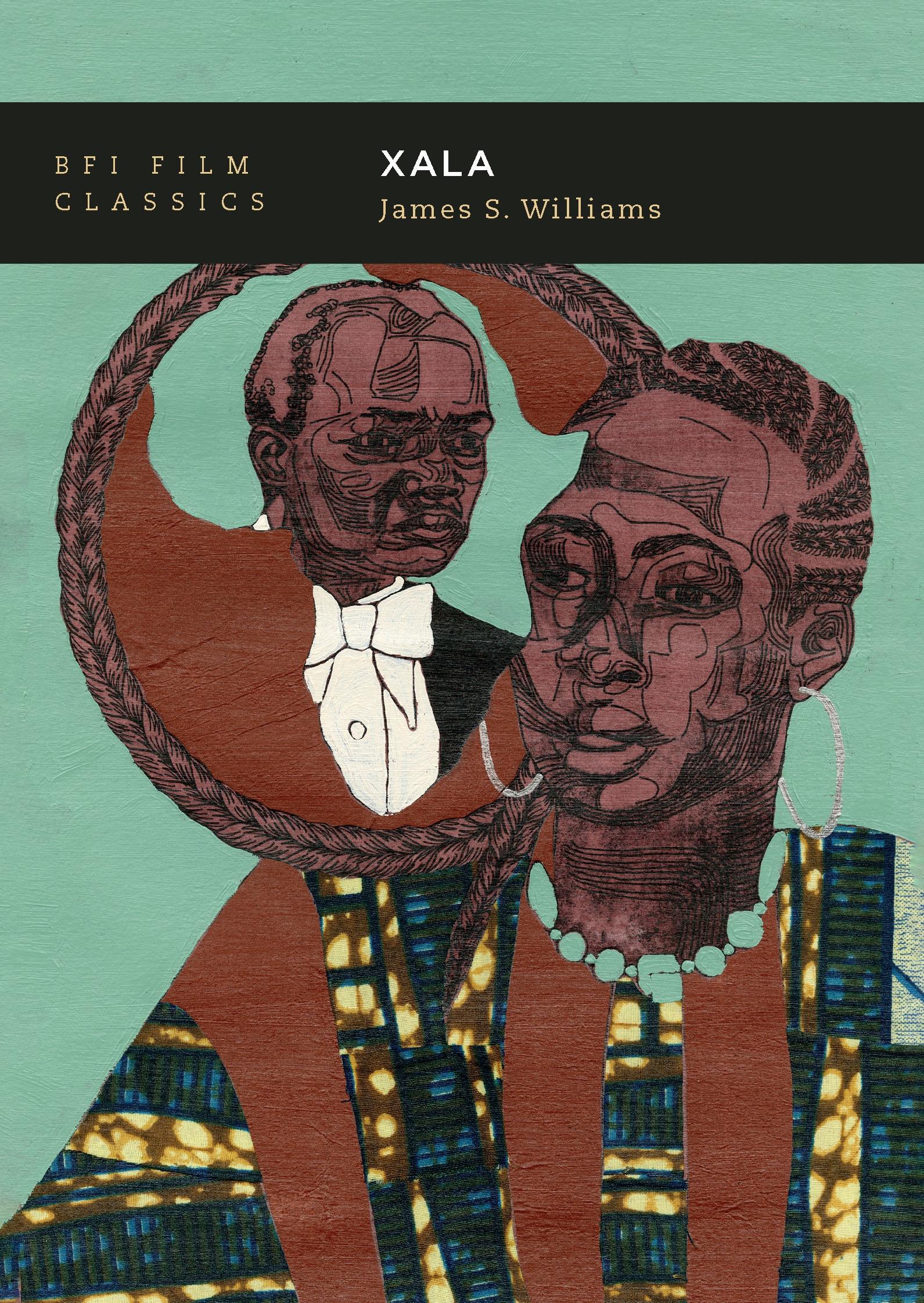
Xala (1974) by the pioneering Senegalese director Ousmane Sembene, was acclaimed on its release for its scorching critique of postcolonial African society, and it cemented Sembene's status as a wholly new kind of politically engaged, pan-African, auteur film-maker. Centring on the story of businessman El Hadji and the impotence that afflicts him on his marriage to a young third wife, Xala vividly captures the cultural and political upheaval of 1970s Senegal, while suggesting the radical potential of dissent, solidarity and collective action, embodied by El Hadji's student daughter Rama and the group of urban 'undesirables' who act as a kind of raw chorus to the affairs of the neocolonial elite.
James S. Williams's lucid study traces Xala's difficult production history and analyses its daring combination of political and domestic drama, oral narrative, social realism, symbolism, satire, documentary, mysticism and Marxist analysis. Yet from its dazzling extended opening sequence of revolution as performance to its suspended climax of redemption through ritualised spitting, Xala presents a series of conceptual and formal challenges that resist a simple reading of the film as allegory.
Highlighting often overlooked elements of Sembene's intricate, experimental film-making, including provocative shifts in mood and poetic, even subversively erotic, moments, Williams reveals Xala as a visionary work of both African cinema and Third Cinema that extended the parameters of postcolonial film practice and still resounds today with its searing inventive power.
James S. Williams's lucid study traces Xala's difficult production history and analyses its daring combination of political and domestic drama, oral narrative, social realism, symbolism, satire, documentary, mysticism and Marxist analysis. Yet from its dazzling extended opening sequence of revolution as performance to its suspended climax of redemption through ritualised spitting, Xala presents a series of conceptual and formal challenges that resist a simple reading of the film as allegory.
Highlighting often overlooked elements of Sembene's intricate, experimental film-making, including provocative shifts in mood and poetic, even subversively erotic, moments, Williams reveals Xala as a visionary work of both African cinema and Third Cinema that extended the parameters of postcolonial film practice and still resounds today with its searing inventive power.
Paga facilmente con carta, Klarna, Apple Pay o Google Pay. Non sei soddisfatto? Hai sempre 14 giorni per il rimborso. Leggi di più nei nostri termini. Per qualsiasi domanda, scrivici a hello@memmo.org.
Memmo rende lo studio più facile, ovunque tu sia nel mondo. Qui trovi i tuoi libri di testo e strumenti di studio intelligenti, tutto in un unico posto: riassunti, quiz, podcast e flashcard. E poi c'è Ted, il tuo compagno di studio che risponde a ogni tua domanda. Oltre 50.000 studenti studiano già qui: è stato creato per aiutarti a imparare più velocemente e a stressarti meno.