
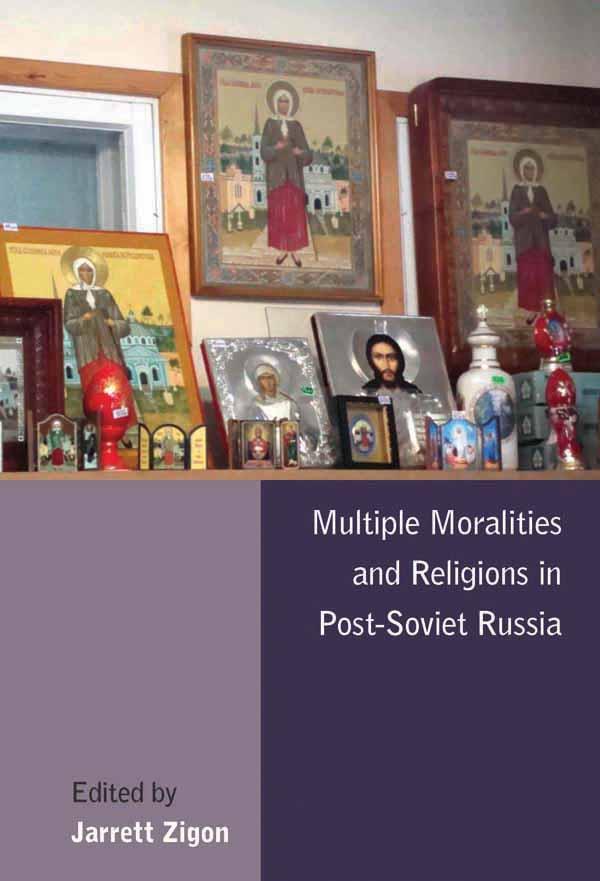
In the post-Soviet period morality became a debatable concept, open to a multitude of expressions and performances. From Russian Orthodoxy to Islam, from shamanism to Protestantism, religions of various kinds provided some of the first possible alternative moral discourses and practices after the end of the Soviet system. This influence remains strong today. Within the Russian context, religion and morality intersect in such social domains as the relief of social suffering, the interpretation of history, the construction and reconstruction of traditions, individual and social health, and business practices. The influence of religion is also apparent in the way in which the Russian Orthodox Church increasingly acts as the moral voice of the government. The wide-ranging topics in this ethnographically based volume show the broad religious influence on both discursive and everyday moralities. The contributors reveal that although religion is a significant aspect of the various assemblages of morality, much like in other parts of the world, religion in postsocialist Russia cannot be separated from the political or economic or transnational institutional aspects of morality.
Paga facilmente con carta, Klarna, Apple Pay o Google Pay. Non sei soddisfatto? Hai sempre 14 giorni per il rimborso. Leggi di più nei nostri termini. Per qualsiasi domanda, scrivici a hello@memmo.org.
Memmo rende lo studio più facile, ovunque tu sia nel mondo. Qui trovi i tuoi libri di testo e strumenti di studio intelligenti, tutto in un unico posto: riassunti, quiz, podcast e flashcard. E poi c'è Ted, il tuo compagno di studio che risponde a ogni tua domanda. Oltre 50.000 studenti studiano già qui: è stato creato per aiutarti a imparare più velocemente e a stressarti meno.