
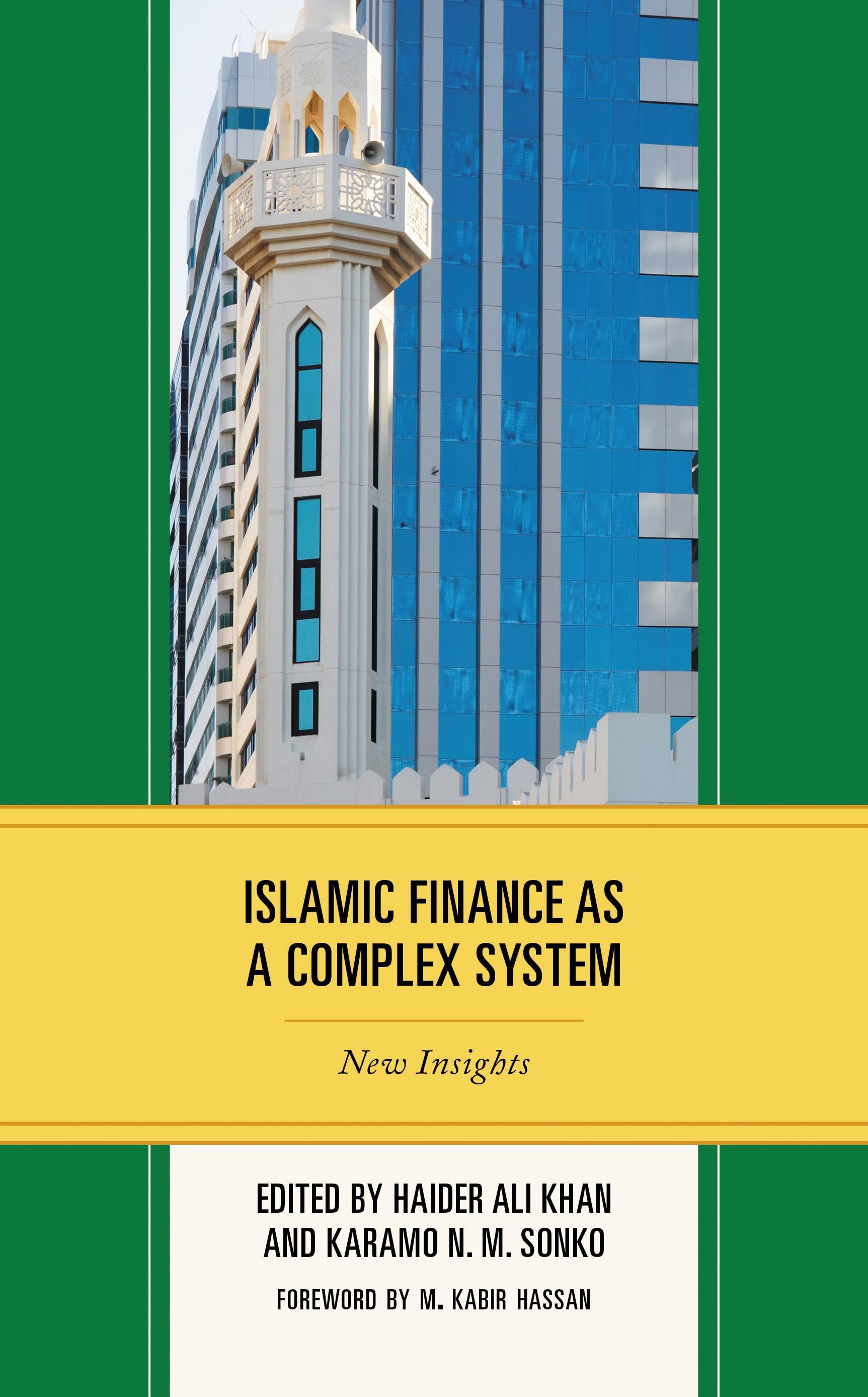
There has been a rapid increase in the interest in the study of Islamic finance, resulting in a dramatic rise in financing since the beginning of the century. By the end of 2017 global industry assets had reached $2.4 trillion and were forecasted to reach $3.2 trillion by 2020, despite historic challenges to Islam itself at the same time. This collection of chapters provides key theoretical, empirical, and policy insights into Islamic finance from an overall complex financial and economic systems perspective. Within the complex financial and economic systems framework, this book addresses questions such as how to conceptualize Islamic financial institutions in a nonlinear general equilibrium system, how to promote Islamic Finance in Africa, how “Islamic” is Islamic finance, and how it affects price stability, among other topics. The book provides case studies in Africa and Asia, addresses the subject in a structural financial CGE model, demonstrates the development impact of Islamic finance, and presents an Islamic version of the Iceland Plan for Monetary Reform.
Paga facilmente con carta, Klarna, Apple Pay o Google Pay. Non sei soddisfatto? Hai sempre 14 giorni per il rimborso. Leggi di più nei nostri termini. Per qualsiasi domanda, scrivici a hello@memmo.org.
Memmo rende lo studio più facile, ovunque tu sia nel mondo. Qui trovi i tuoi libri di testo e strumenti di studio intelligenti, tutto in un unico posto: riassunti, quiz, podcast e flashcard. E poi c'è Ted, il tuo compagno di studio che risponde a ogni tua domanda. Oltre 50.000 studenti studiano già qui: è stato creato per aiutarti a imparare più velocemente e a stressarti meno.