
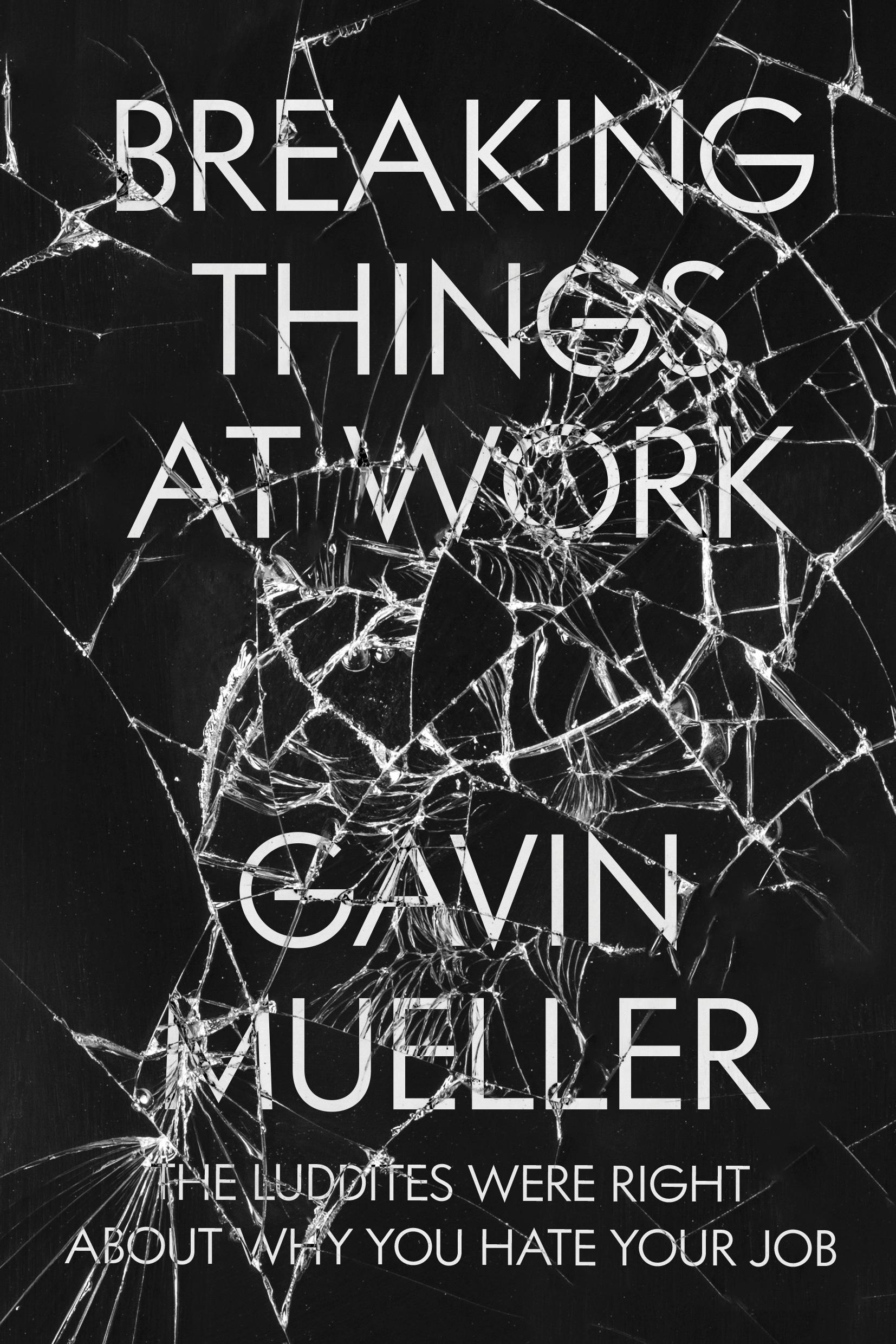
In the Nineteenth-century, English textile workers responded to the introduction of new technologies on the factory floor by smashing them to bits. For years the Luddites roamed the English countryside, practicing drills and manoeuvres that they would later deploy on unsuspecting machines. The movement has been derided by scholars as a backwards-looking and ultimately ineffectual effort to stem the march of history; for Gavin Mueller, the movement gets at the heart of the antagonistic relationship between all workers, including us today, and the so-called progressive gains secured by new technologies. The luddites weren't primitive and they are still a force, however unconsciously, in the workplaces of the twenty-first century world.
Breaking Things at Work is an innovative rethinking of labour and machines, leaping from textile mills to algorithms, from existentially threatened knife cutters of rural Germany to surveillance-evading truckers driving across the continental United States. Mueller argues that the future stability and empowerment of working-class movements will depend on subverting these technologies and preventing their spread wherever possible. The task is intimidating, but the seeds of this resistance are already present in the neo-Luddite efforts of hackers, pirates, and dark web users who are challenging surveillance and control, often through older systems of communication technology.
Breaking Things at Work is an innovative rethinking of labour and machines, leaping from textile mills to algorithms, from existentially threatened knife cutters of rural Germany to surveillance-evading truckers driving across the continental United States. Mueller argues that the future stability and empowerment of working-class movements will depend on subverting these technologies and preventing their spread wherever possible. The task is intimidating, but the seeds of this resistance are already present in the neo-Luddite efforts of hackers, pirates, and dark web users who are challenging surveillance and control, often through older systems of communication technology.
Paga facilmente con carta, Klarna, Apple Pay o Google Pay. Non sei soddisfatto? Hai sempre 14 giorni per il rimborso. Leggi di più nei nostri termini. Per qualsiasi domanda, scrivici a hello@memmo.org.
Memmo rende lo studio più facile, ovunque tu sia nel mondo. Qui trovi i tuoi libri di testo e strumenti di studio intelligenti, tutto in un unico posto: riassunti, quiz, podcast e flashcard. E poi c'è Ted, il tuo compagno di studio che risponde a ogni tua domanda. Oltre 50.000 studenti studiano già qui: è stato creato per aiutarti a imparare più velocemente e a stressarti meno.
Potrebbe interessarti anche
Acquista il libro0