
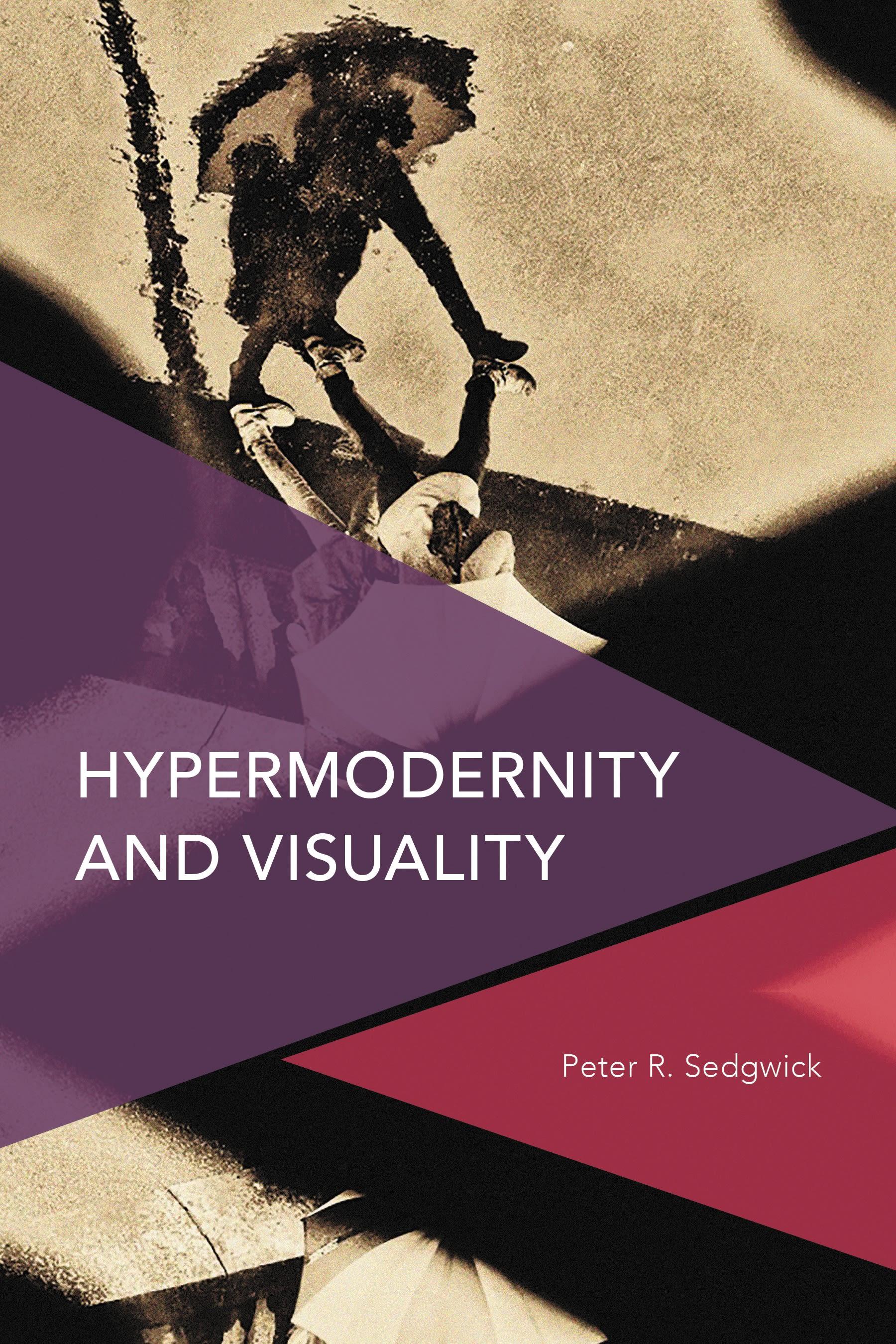
This book engages with the question of making sense of seeing in today’s technologically dominated world. It does so by exploring the notion of the ‘hypermodern’, a term which is used to capture the drive in contemporary culture to achieve ever greater speed and efficiency. The volume draws principally on the thought of Paul Virilio and Friedrich Nietzsche. The text’s key argument is that destabilizing tendencies, which become increasingly evident in hypermodern culture, spring from its having a dual character. This duality turns on hypermodernity’s uncomfortable, unstable and possibly unsustainable relation to its own past. The volume engages with this dual character in a unique way. Its discussions are prefaced by poems and photographic images which together frame and permeate the text’s arguments and analyses. Part One offers linked engagements with Virilio’s articulation of the hypermodernized cultural-visual environment, Nietzsche’s accounts of history, power and archaic visuality, and briefer discussions of various other writers. Part Two presents a creative elaboration of these engagements through a combination of poetry, image and aphorism. Through this combination the digital image, a quintessentially hypermodern form of representation, is turned against itself to allow for reflection on the ethics and politics of seeing today. The volume concludes with an open-ended dialogue on visual culture, the archaic and the hypermodern.
Paga facilmente con carta, Klarna, Apple Pay o Google Pay. Non sei soddisfatto? Hai sempre 14 giorni per il rimborso. Leggi di più nei nostri termini. Per qualsiasi domanda, scrivici a hello@memmo.org.
Memmo rende lo studio più facile, ovunque tu sia nel mondo. Qui trovi i tuoi libri di testo e strumenti di studio intelligenti, tutto in un unico posto: riassunti, quiz, podcast e flashcard. E poi c'è Ted, il tuo compagno di studio che risponde a ogni tua domanda. Oltre 50.000 studenti studiano già qui: è stato creato per aiutarti a imparare più velocemente e a stressarti meno.